CIBC flags December rate hike as Macklem doubles down on inflation concerns

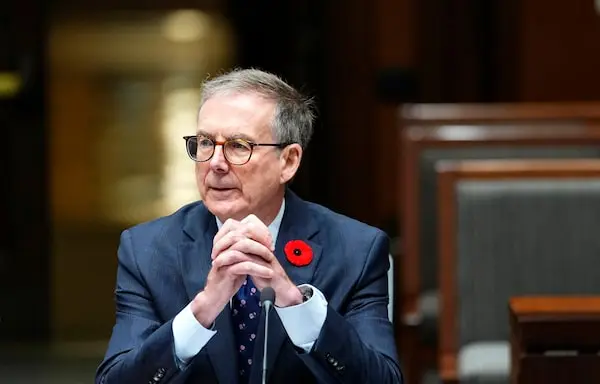
The Bank of Canada could deliver another interest rate increase in December, bringing forward its expected timing of monetary tightening, as Governor Tiff Macklem signalled continued concern about persistent inflationary pressures despite recent signs of easing, according to CIBC.
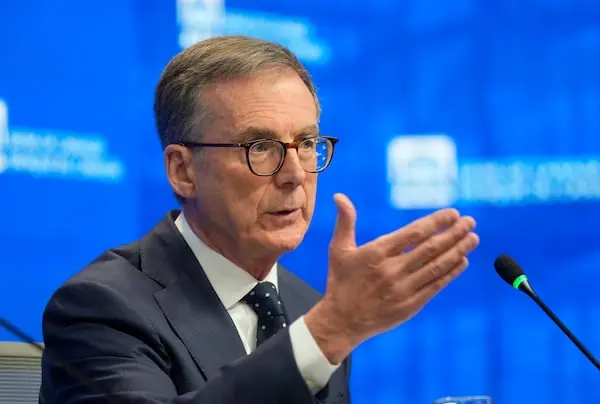
CIBC said Macklem’s speech and subsequent press conference on Tuesday suggested the central bank was placing greater emphasis on the risk that higher energy costs would spread into broader consumer prices, rather than on recent improvements in underlying inflation.
Speaking at the Economic Club of Canada in Toronto, Macklem acknowledged that inflation could finish the year below the Bank’s October forecast of around 3.5%, as softer oil prices and lower refinery margins ease headline price pressures.
However, he warned that the impact of higher energy costs linked to the conflict in the Middle East had yet to be fully reflected in consumer prices. Businesses that absorbed increased production and transportation costs earlier this year could pass them on to customers over the coming year, adding to inflation persistence.
Macklem also recalled the Bank’s experience following the COVID-19 pandemic, when policymakers were too slow to recognise how persistent inflationary pressures had become. He said monetary policy could not prevent global energy prices from rising but could limit their spillover into the broader economy.
CIBC said the Governor appeared determined to maintain the inflation concerns outlined in October, despite recent downside surprises in core inflation measures. The bank noted that Macklem continued to emphasise the potential for energy-related cost increases to feed into non-energy prices.
The Governor acknowledged that labour market slack could affect businesses’ ability to pass on higher costs. However, he continued to describe the Canadian economy as resilient, giving relatively little weight to three consecutive monthly employment declines and the unemployment rate climbing to 6.7%, CIBC said.
Macklem also stressed that interest rates were starting from the lower end of the Bank’s estimated neutral range, suggesting further increases would primarily withdraw monetary stimulus rather than necessarily push policy into restrictive territory.
Although Macklem made no direct reference to the December policy meeting, CIBC interpreted his comments as shifting the balance towards a rate increase next month, rather than its previous forecast of a January move.
The Bank of Canada’s next interest rate decision is scheduled for December 9.
CIBC, however, expects the central bank could return to the sidelines in January if incoming economic data provide evidence that inflationary pressures are more contained than policymakers anticipate.
If non-energy inflation remains subdued and energy prices do not rebound significantly, there should be enough evidence by January for the Bank to pause further increases, CIBC said.
Looking further into 2027, headline inflation could decline materially once the impact of the Iran war begins dropping out of annual comparisons following the conflict’s anniversary in February. This could give the central bank room to keep interest rates unchanged for an extended period.