Bank of Canada signals more rate hikes may come despite uncertainty

Bank of Canada officials indicated that uncertainties from higher oil prices and the trade war with the United States will not necessarily prevent additional interest rate increases, according to deliberations from their October meeting released Tuesday.
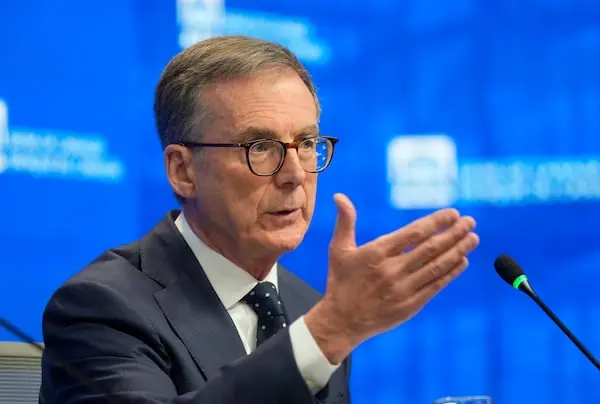
Policymakers led by Governor Tiff Macklem raised the policy rate to 2.5% last month, marking the first increase in more than three years. The summary of deliberations from that meeting confirmed that officials agreed "there could be a need to increase the policy rate further."
Officials noted "considerable uncertainty" about economic headwinds and global developments affecting high oil prices and their impact on Canada's economy. The governing council "recognized that uncertainty did not mean inaction, but they agreed they would need to proceed carefully to assess how economic developments would affect their outlook," the summary stated.
Policymakers also considered keeping borrowing costs unchanged in October, as Macklem had mentioned to reporters last month. The governing council observed that the rise in inflation was concentrated in energy prices, while core inflation measures remained near the 2% target.
The primary reason for the rate increase was persistently elevated oil prices from the Middle East conflict, which the council said were "expected to remain higher for longer."
"The combination of higher energy prices and pass-through had increased the risk of persistent, broad-based inflation. And with the economy expected to be more resilient, there was less downward pressures on prices to offset these cost pressures," officials said.
Members "shared a diversity of views on the likely speed and extent of pass-through," but agreed that the "energy shock alone would keep CPI inflation at around 3% for more than a year."
The deliberations also addressed Canada's labor market, which unexpectedly loosened last month according to Statistics Canada data released last week. While the council agreed the job market was soft, "some members believed the labor market was stronger than the headline numbers indicated, given strength in private sector job creation."
Officials agreed that while slack remained in the economy, recent growth would "gradually absorb excess supply."
The bank said "the risks had shifted: the prolonged energy shock and a resilient economy meant the risk that high inflation could persist and become broad-based had increased."
The Bank of Canada will next set borrowing costs on December 9. Traders in overnight swaps currently place the odds of a rate hike at that meeting at approximately 50%.