This is your sign to prep an emergency kit now — here’s everything you could need and more
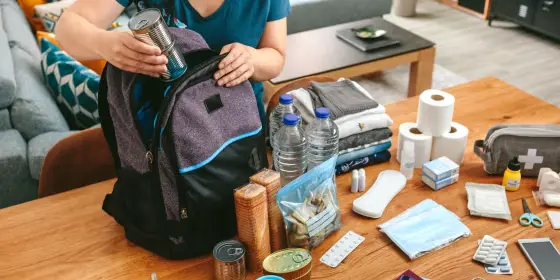
Could you survive off of your own food, water and other supplies for a few days if you needed to? That’s the definition of “emergency preparedness,” according to the U.S. Department of Homeland Security’s Ready.gov.
For many people, emergency preparedness includes, among other things, having a stocked emergency kit in the house. An emergency kit — sometimes called a survival kit — can help you be prepared in case of a natural disaster like an earthquake, wildfire, tornado or flood.
51% of adults believe they are prepared for a disaster, according to the 2024 FEMA National Preparedness Report. If you’re not in that percentage, what are you waiting for? I collected guidance from government agencies like FEMA and the CDC about what to put in an emergency kit and recommend some top-rated kits and supplies below.
Selected.Our top picks
 Best overallRedfora Complete Earthquake Bag$undefined$220.00AmazonLearn more
 Best budgetReady America 72 Hour Emergency Backpack$37.78$54.99AmazonLearn more
 Best for one personBlue Coolers Seventy-Two Pro Series 72-Hour Emergency Backpack for 1 Person$59.99$89.99Blue CoolersLearn more
The best emergency kits of 2026
These top-rated emergency kits have most of the supplies recommended by FEMA, the CDC and the American Red Cross. You can also supplement them with supplies of your own.
Best overall
Redfora Complete Earthquake Bag
This three-day emergency kit includes a variety of agency-recommended items like a hand-crank radio, first-aid kit and multiple water pouches, plus some additional nice-to-haves, like water purification tablets, nylon rope, a sewing kit, a candle and hand warmers. The supplies are labeled and color-coded in bags with a QR code you can scan to learn more about how to use them, according to the brand. Everything comes in a red backpack, and the two-person version (linked above) weighs about 18 pounds.
You can read a full list of the included supplies on Redfora’s website. This emergency kit doesn’t have all of the recommended shelter and communication supplies mentioned above, so you may want to supplement it with things like plastic sheeting, batteries, charging tools and local maps.
Best budget
Ready America 72 Hour Emergency Backpack
This emergency kit has fewer supplies than our top pick but costs significantly less. It’s a good starting point for building a larger kit, and it’s small enough to fit in a larger emergency pack. Highlights include twelve 4.2-ounce water pouches, two 12-hour emergency lightsticks, and two survival blankets. You can read a full list of the included supplies on Ready America’s website.
Best for one person
Blue Coolers Seventy-Two Pro Series 72-Hour Emergency Backpack for 1 Person
A one-person emergency kit is great for individuals or as a small backup option to keep in places like cars, boats or your place of work. This one-person kit is lightweight at just under five pounds and comes in a blue backpack with a mesh outer pocket that’s a good fit for stuffing things like clothes or blankets. Inside, it has key supplies like water pouches, a first-aid kit, and a crank-powered flashlight. (You can read the full list of included supplies on Blue Coolers’ website.)
How I picked top-rated emergency kits and supplies
Using guidance from reputable agencies like the Federal Emergency Management Agency (FEMA), the Centers for Disease Control and Prevention (CDC) and the American Red Cross, I selected emergency kits based on the following criteria:
Supplies included: All of the above organizations suggest an emergency kit that includes some variation of the following:
- First aid: suitable to the size and medical need of your family
- Sustenance: water (one gallon per person per day) and non-perishable food that can last several days
- Hygiene: moist towelettes and garbage bags
- Light: flashlight
- Shelter: plastic sheeting and emergency blankets
- Communication: whistles, a battery-powered or hand-crank radio (with NOAA Weather Radio, if possible), cell phone and cell phone charging cables
- Tools: disposable batteries, duct tape, multitool or wrench, can-opener (if kit contains canned food) and local maps
- Protection: N95 masks
- Household size: Emergency kits are designed for a specific number of people. I included pre-built options for households ranging from one to four people.
- Top-rated: I only selected pre-made kits with at least a four star rating on the brand or retailer sites.
Top-rated emergency supplies of 2026
It’s always a good idea to supplement a pre-built survival kit with other tools and supplies specific to your environment and needs. Or you might want to build a personalized go-bag from scratch. Either way, I selected highly rated first aid, hygiene, light source, shelter, communication and protection supplies fit for any emergency kit.
First-aid kits
A first-aid kit should include a variety of supplies for treating wounds and injuries. You should add personal items like medications and emergency contacts, and check the kit regularly for expired items, according to the American Red Cross. You should not only have a first aid kit at home, but in places like your car.

First Aid Only All-Purpose First Aid Kit (FAO-442)
$18.57
Amazon

Be Smart Get Prepared 110 Piece First Aid Kit
$8.51
Amazon

Adventure Medical Kits Mountain Series Hiker Medical Kit
$34.49
Amazon
$34.50
REI
Slide 1 of 1Water
FEMA recommends a three-day supply of nonperishable food and water in any disaster kit. Water in particular can be tricky — while it is easy to store, it is heavy to carry with you in the case of an evacuation. Below are a few top-rated water storage and water filtration supplies that may fit your needs.

Survivor Filter Collapsible Water Bottles (1L)
$16.95
Amazon

FastRack 5 Gallon Hedpak with Cap
$23.95
Amazon
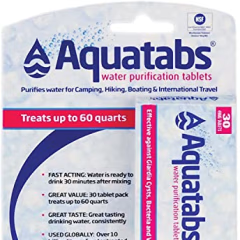
Aquatabs 49mg Water Purification Tablets
$11.99
Amazon
$14.95
REI
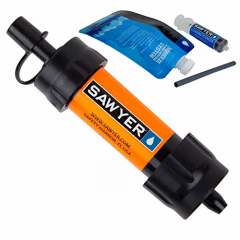
Sawyer Mini Water Filtration System
$28.99
Amazon
$28.99
Walmart
$28.99
Sawyer
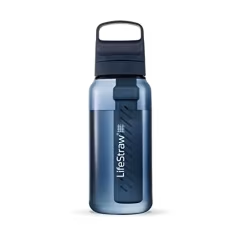
Lifestraw Go Series BPA-Free Water Filter Bottle
$27.97
$49.95
Amazon
$44.95
Lifestraw
Slide 1 of 1Whistles
Whistles can get incredibly loud with much less effort than shouting or yelling. If you’re in distress and need help, blow a whistle three times — three of anything in a repeating sequence is known to be an international sign of distress (SOS), according to the Utah Department of Public Safety.

Hipat Whistle With Lanyard (2 pack) (plastic)
$5.99
Amazon

Hipat Whistle With Lanyard (2 pack) (steel)
$6.99
Amazon
Slide 1 of 1Flashlights
A flashlight is critical if your power is out and you need to get around safely in the dark.

Thrunite Archer 2A C Flashlight
$39.99
ThruNite
$29.95
Amazon
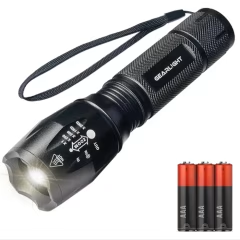
GearLight LED Tactical Flashlight
$14.99
$20.99
Amazon

Black Diamond Spot 400 Headlamp
$61.56
$64.99
Amazon
$59.95
Black Diamond
$59.95
REI
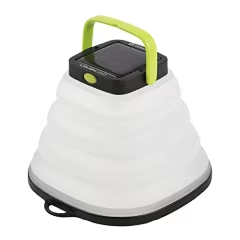
Goal Zero Crush Light
$29.95
Amazon
$29.95
REI
Slide 1 of 1Batteries and portable chargers
Most flashlights (and some radios) run on disposable AA or AAA batteries, and Ready.gov recommends storing a few extras in your emergency kit. Portable chargers and backup power stations can also be useful during a blackout.

Amazon Basics 12-Pack AA High-Performance Alkaline Batteries
$8.49
Amazon

Amazon Basics 12-Pack AAA High-Performance Alkaline Batteries
$8.99
Amazon

Anker Nano Power Bank 10K Portable Charger with built-in cable
$54.99
Amazon
$49.99
Anker Innovations Limited

Anker Zolo Power Bank with built-in Lighting and USB-C cables
$54.79
Amazon

Jackery Explorer 300 Portable Power Station
$289.00
Amazon
$289.00
Jackery
$289.00
Walmart
Slide 1 of 1Radio with NOAA Weather Radio tone alert
A radio is a good way to get updates on the disaster, including any known safety risks, according to FEMA.

FosPower 2000mAh NOAA Emergency Weather Radio
$28.46
$39.99
Amazon

Midland ER310 Emergency Weather Radio
$79.99
Amazon
Slide 1 of 1Sleeping bags
Maintaining your body temperature in hot or cold weather is vital for survival, according to the Utah Department of Public Safety. A sleeping bag can help you stay warm in cold conditions and you can typically roll it into a smaller size so it can easily fit into an emergency bag.

Bedsure Sherpa Fleece Blanket
$34.99
$52.99
Amazon
$34.99
$69.98
Bedsure

REI Co-op Siesta Hooded 20F Sleeping Bag
$159.00
REI

MalloMe Sleeping Bag
$54.99
Amazon
Slide 1 of 1Face masks
The American Red Cross recommends putting N95 or surgical masks in your emergency kit, depending on the types of disasters common to your area.

3M Aura N95 Respirator
$21.48
Amazon
$24.97
Home Depot

Honeywell N95 Flatfold Disposable Respirator
$21.29
Amazon
$19.95
$37.95
Honeywell

Demetech NIOSH N95 Respirator Face Mask
$75.00
DemeTECH
Slide 1 of 1Personal Hygiene
If you don’t have access to running clean water or soap, you can use moist towelettes and hand wipes to clean and sanitize.

Wet Ones Antibacterial Hand Wipes
$19.70
$22.99
Amazon

Touchland Hand Sanitizer Spray
$30.00
Amazon
Slide 1 of 1Tools and Shelter
The right tools and shelter can make it easier to shut off damaged household utilities (in case of downed wires, for example), open canned food and shelter in place.

Green Goods 4-in-1 Emergency Tool
$21.99
$24.99
Amazon
$25.24
$42.07
Sears

KitchenAid Classic Multifunction Can Opener
$14.99
Amazon

Tapix 6 Mil Poly Sheeting
$24.99
$28.99
Amazon
$29.99
Tapix

Original Duck Brand Duct Tape
$7.16
Amazon
$4.98
Walmart
$7.16
Target
Slide 1 of 1Maps and navigation
Ready.gov recommends any basic disaster supply kit have maps of your area. You can buy local maps online or print out maps at home using tools like the U.S. Geological Survey national map viewer.
If you don’t have a GPS device, a manual compass is also essential for map navigation.

Rand McNally Folded Map: Western United States
$9.31
$9.99
Amazon
$9.99
Rand McNally Publishing

Rand McNally Easy to Read: Central United States Folded Map
$9.31
$9.99
Amazon
$9.99
Rand McNally Publishing

Rand McNally Folded Map: Eastern United States
$9.99
Amazon
$9.99
Rand McNally Publishing
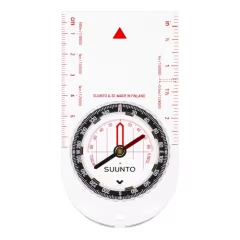
Suunto A-10 Compass
$24.00
Amazon
$24.00
REI
$24.00
Suunto
Slide 1 of 1Cell phone, personal documents, extra cash
The American Red Cross recommends packing a cell phone, personal documents like medication lists, proof of address, passports, extra cash and more. What this looks like in practice depends on your household and needs. Either way, it can be useful to store said documents in a fireproof document bag. Here’s what else to know about storing your documents safely.
Frequently asked questions
Ready.gov and the American Red Cross have similar recommendations as it pertains to what’s needed for a 72-hour emergency kit. I combined recommendations from government agencies to create this list of essentials.
Both organizations also list supplemental emergency supplies that may be useful, including:
- Prescription medications (three-day supply) and medical items
- Non-prescription medications such as pain relievers, anti-diarrhea, antacids or laxatives
- Prescription eyeglasses and contact lens solution
- Infant supplies
- Pet food and water
- Extra cash
- Copies of personal documents (medication list and pertinent medical information, proof of address, deed/lease to home, passports, birth certificates, insurance policies)
- Sleeping bags
- Towels
- Climate-appropriate change of clothes and shoes
- Work gloves
- Scissors
- Fire extinguishers
- Menstrual supplies
- Set of dishes and utensils
- Paper and pencils
- Entertainment (books, games, puzzles, etc.)
It can be, depending on your needs. A lot of the most recommended items in an emergency kit are things you already have in your home: non-perishable food, water, batteries, tools, spare clothes, first-aid supplies, etc. You could start an emergency kit by putting supplies you already have in a bag, then shop for anything you’re missing.
Ready.gov recommends storing your emergency kit items in airtight plastic bags, then putting them in something that’s easy to carry like a duffel bag or plastic bin.