South Sudan: a country of conflict
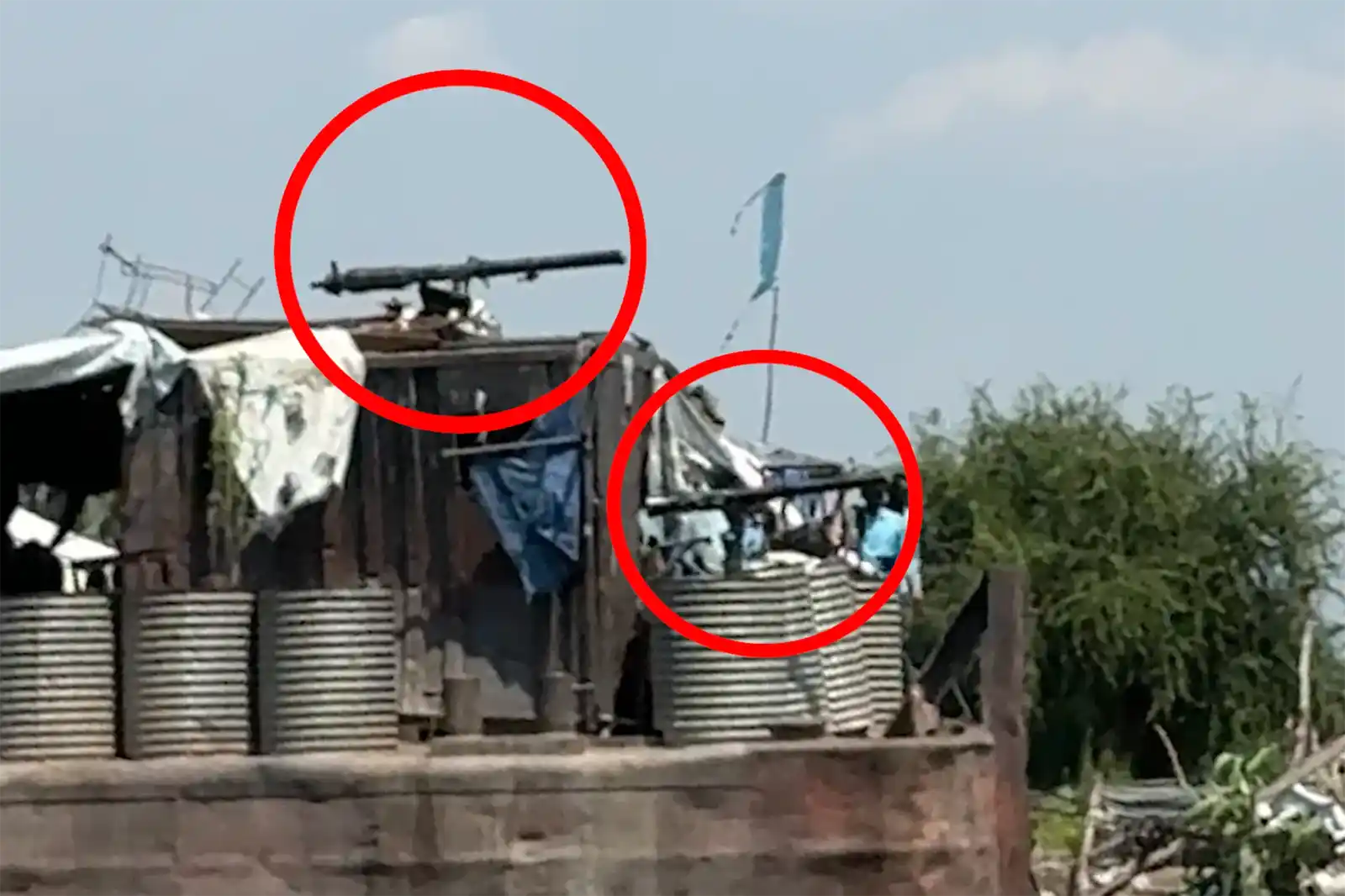
Since Sudan’s independence from British-Egyptian joint rule in 1956 there has been an almost non-stop conflict.
First, there was the fight for separation from the Arab-ruled Muslim-dominated north of the vast country, where southerners were Christians and animists.
Through the 80s and 90s rebels, fighting under the banner of the Sudan People’s Liberation Army, caused far more deaths through internal conflict and famine, than those who were killed in actual combat against the north.
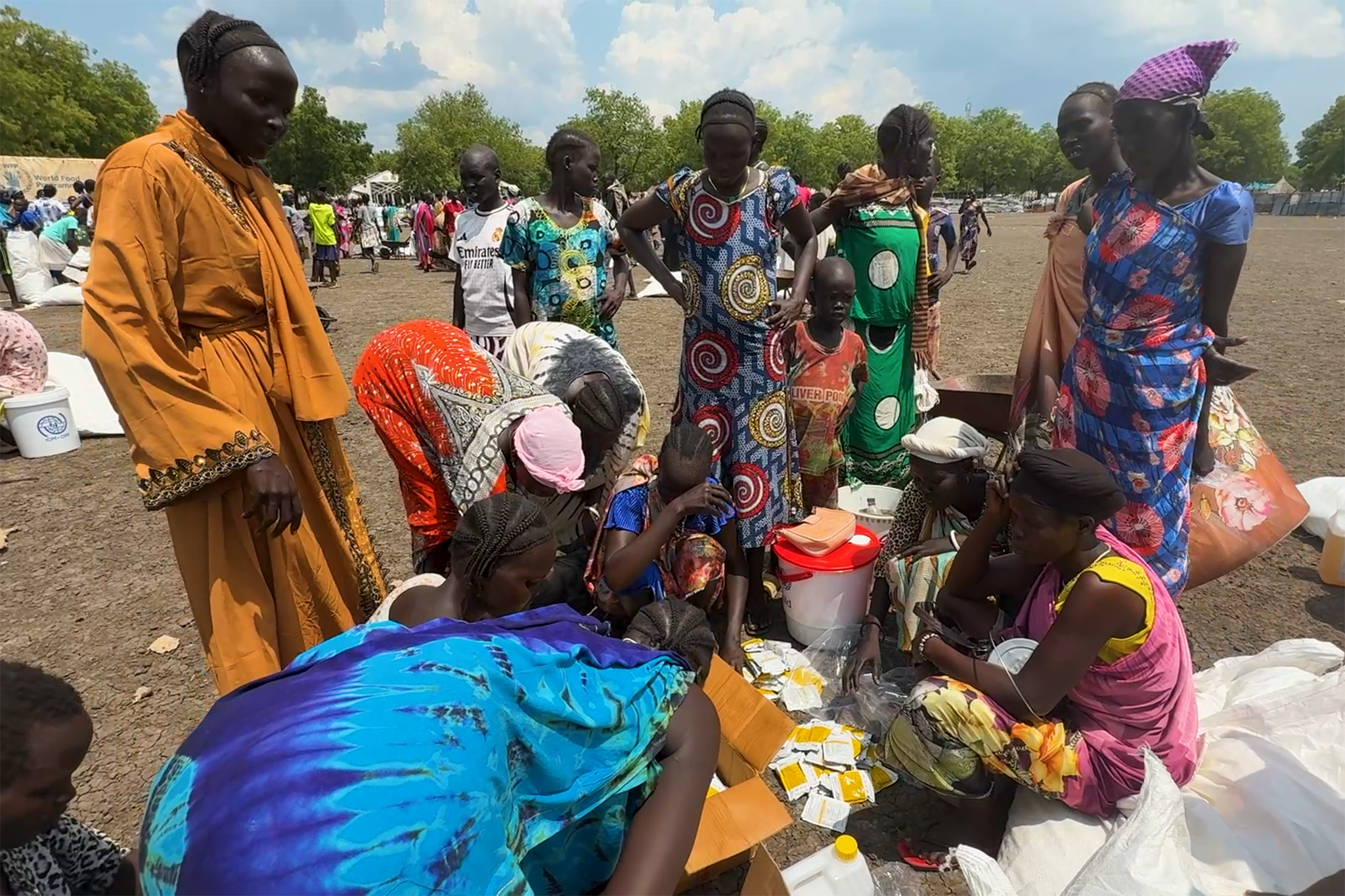
Crucially, much of the internecine strife was between the ethnic Dinka of SPLA leader John Garang and Riek Machar, an ethnic Nuer who split from Garang in 1991.
Other southern warlords and breakaway groups were often funded by the north - but most of the killing, and all of the dying from famine, was by southerners.
Then, the post-independence civil wars in South Sudan have also been between Garang’s successor, Salva Kiir (the president), and his old rival Riek Machar, acting as vice president.
The most recent round of fighting was set off when Machar was detained in the capital, Juba, where he is on trial for treason.
Earlier this year the government, claiming to be targeting Machar’s rebels, bombed several hospitals in rebel-held areas.
The government also threatened to wipe out whole communities as fighting spread along the White Nile into the north and east.

In the early 1990s, a report leaked to me from inside the UN concluded that around 80 per cent of help going to UN’s Operation Lifeline Sudan, as the global humanitarian response was called then, was being taken by the SPLA rebels.
Hospitals, schools, refugee camps in-country and in Kenya, food supplies, roads - all the responsibilities of local leadership - were supported by foreigners trying to “help”.
The result, today, is that former rebel leaders in government see themselves now, as they did then, as entitled to the largesse of national revenues.
Just as they were entitled to harvest whatever they could from the global taxpayer during their liberation war.