Peacekeepers injured as IDF says its tank fire hit UN Lebanon base
Israel’s military has confirmed that its tank fire struck a United Nations position in southern Lebanon on 6 March, injuring Ghanaian peacekeepers. The incident underscores the escalating dangers faced by international forces as Israeli operations intensify in the region.
The admission on Wednesday followed initial findings from an internal UN inquiry, which had already indicated Israel’s responsibility for the attack, according to a Western military source who spoke to Reuters on Tuesday.
The UN peacekeeping mission, known as UNIFIL, is deployed in southern Lebanon to monitor hostilities along the border with Israel. This area is a flashpoint for clashes between Israeli forces and Iran-backed Hezbollah fighters.
While the mission, slated to conclude at the end of 2026, has frequently found itself caught between both sides in recent years, the prospect of a wider Israeli ground operation suggests that risks could become significantly greater in the coming weeks.
In a statement to Reuters, Israel's military acknowledged its troops were behind the incident, but said they had responded to anti-tank missile fire from Hezbollah, which had moderately wounded two of its soldiers.
"A comprehensive investigation concluded in recent days determined that the fire that hit the UNIFIL personnel was mistakenly carried out by the IDF troops that misidentified the UNIFIL troops as the source of the anti-tank fire moments earlier," it said.
"The IDF regrets the incident and has conveyed its apologies through the appropriate channels to Ghana and the United Nations. The findings of the investigations have been disseminated within the IDF to prevent recurrence of similar incidents."
Lebanon was pulled into the war in the Middle East when Hezbollah fired rockets at Israel that ignited a new Israeli offensive against the group.
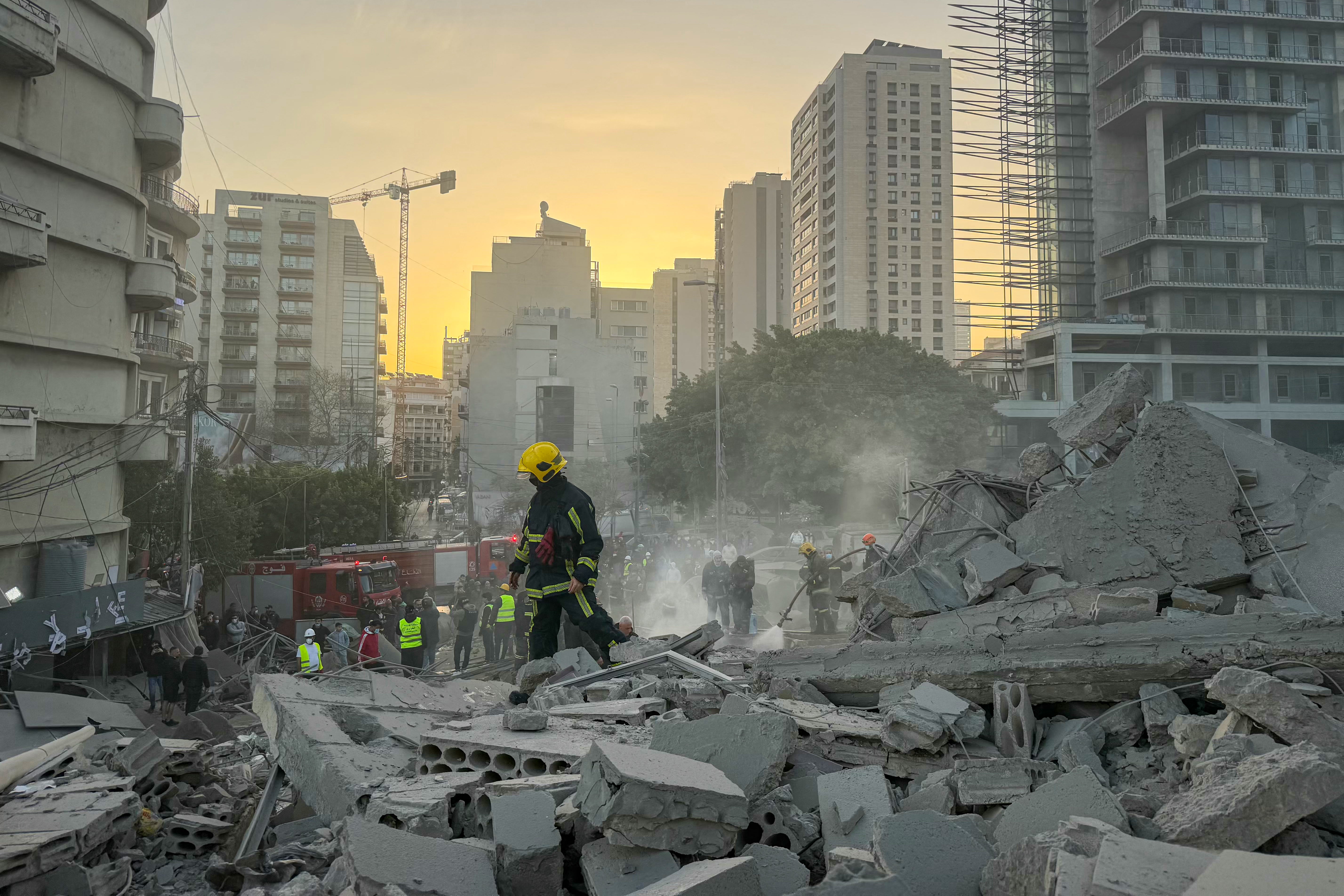
According to the Western source, the preliminary conclusions led by UNIFIL’s Force Commander Reserve with support from explosive ordnance disposal specialists indicated that three strikes at the al-Qawzah base were direct hits from the main gun of an Israeli battle tank.
They were fired using 120-mm M339 HE-MP-T shells, the source said.
"Israeli involvement in the attack against UNIFIL is undeniable, given that these munitions are manufactured by Israel Military Industries (IMI)," the source said.
The findings of UNIFIL's probe have not been previously reported. UNIFIL had said on March 6 that Ghanaian peacekeepers were wounded amid heavy firing and called the incident "unacceptable," but did not say at the time who was responsible.
"That investigation is not yet complete. Once it is finalized, it will be shared with the parties, per usual practice," said UNIFIL spokesperson Kandice Ardiel.
"Nonetheless, we reiterate the obligation of all actors to ensure the safety and security of peacekeepers and avoid harm to civilians. Any deliberate attack on peacekeepers is a grave violation of international humanitarian law and a violation of resolution 1701."
The Lebanese prime minister's office did not immediately respond to a request for comment.
Highlighting the concerns surrounding U.N. peacekeepers, UNIFIL said on Sunday that another group of peacekeepers were likely fired upon earlier that day on three separate occasions in southern Lebanon, "likely by non-state armed groups." It said no peacekeepers were injured.
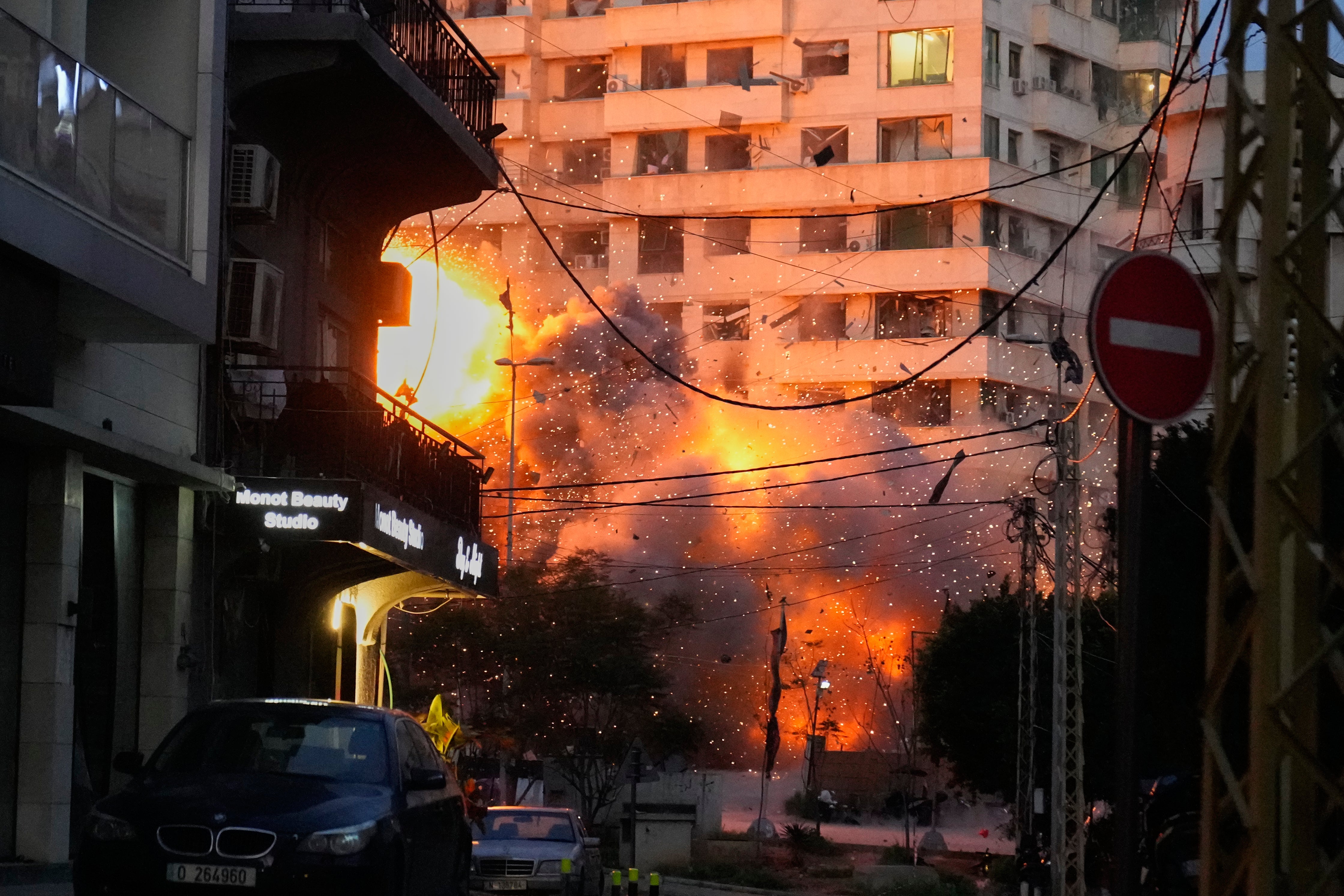
The M339 HE-MP-T round can be used in anti-personnel, anti-helicopter, anti-materiel, anti-armour and anti-structure roles.
The shots were fired within a five-minute window, indicating repeated fire rather than a single stray round, the source said, adding that the base’s location and coordinates were well known to all parties operating in the area, raising serious concerns over the safety of U.N. personnel.
Three Ghanaian soldiers were wounded, according to the Ghanaian army.
"This escalation, far from being isolated, is part of a worrying dynamic, severely testing UNIFIL’s ability to carry out its peacekeeping mission," the source said.
The Israeli military occupies five posts within Lebanon and despite a ceasefire last year had frequently carried out airstrikes in the country's south that it says are targeting Iran-backed militant group Hezbollah.
U.N. Security Council Resolution 1701, among other provisions, states that no armed forces should be operating in southern Lebanon except the U.N. peacekeepers and the Lebanese military.
Israel has repeatedly accused Hezbollah of trying to rearm and the Lebanese armed forces of failing to disarm the group.