Mapped: The 21 countries dragged into the Russia Ukraine war
Nearly five years into a brutal and deadly war in Ukraine, its borders are spreading far and wide.
More than 20 countries have now been dragged into the ever-expanding conflict, including through confirmed or suspected drone, missile and fighter jet incursions and other forms of military attack.
Donald Trump, in a rare statement aimed at the Russian regime, called on Vladimir Putin to “pull back all military aggression against” unnamed “territories throughout Europe”.
In just the latest example of how the conflict has spread, Kyiv struck a Russian warship moored in Libya on Tuesday, killing two Libyan naval officers.
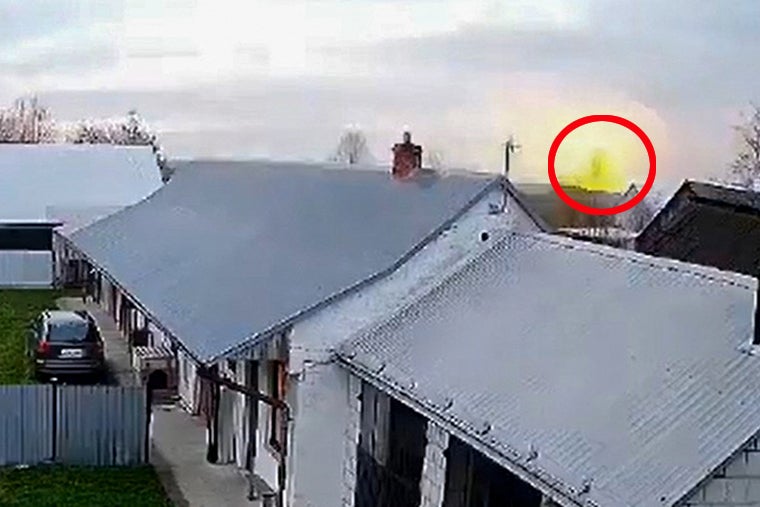
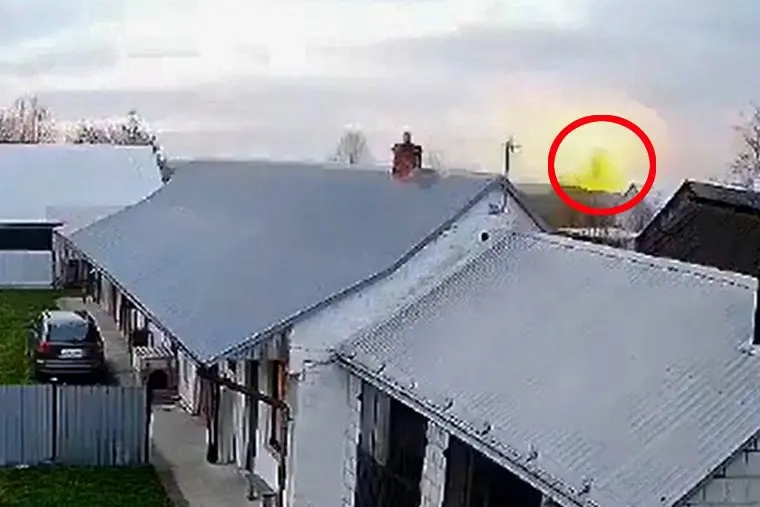
For years, Moscow has also been behind drone and missile incursions across Europe, driving up fears that Ukraine’s allies to the West could be dragged into the conflict.
Earlier this week, Trump and Nato chief Mark Rutte issued a statement on the conflict, following a meeting at Mar-a-Lago in Florida.
They said they had discussed “the importance of Russia and Ukraine avoiding any actions that intentionally, or unintentionally, expand the War — and the importance of obtaining a peaceful resolution to the War, as rapidly as possible!”
The Independent takes a look at just how many countries have been affected by the Russia-Ukraine war.
Russian fighter jet, missile and drone incursions across Europe
Since 2025, Russian incursions into eastern Europe have become a regular feature of the war in Ukraine.
Nato convened an urgent meeting on 23 November to discuss the repeated violation of their members’ airspace by Russian forces, following a series of recent serious incidents.
This week, Polish investigators said three Russian Kh-1091 cruise missiles crashed last Friday, striking three separate locations in southeastern Poland, with prime minister Donald Tusk hitting out at the “intentional provocation” by Russia.
Analysis published in The Conversation by Frederic Lemieux, a professor in security studies at Georgetown University, showed Russian violations of Nato airspace have risen dramatically, more than quadrupling between 2024 and 2026.
In another one of the most egregious cases from last year, at least 21 Russian drones entered Polish airspace, forcing allied Nato aircraft to scramble. One drone crashed as far as 200km inside Poland’s eastern border.
It is a familiar routine. A drone will enter the airspace of one of the Baltic countries or countries bordering Ukraine, Nato fighter jets will be scrambled, the drone will turn back, or occasionally crash.
The latest example of this took place on Friday, when a drone crossed the Russian border and flew inside Latvian airspace before being intercepted by Nato fighter jets.
To an extent, growing incursions is an inevitable feature of the hugely increased use of drones in the war between Russia and Ukraine. Drones that are electronically jammed can often be sent off-course.
The same cannot be said for fighter jets, however.
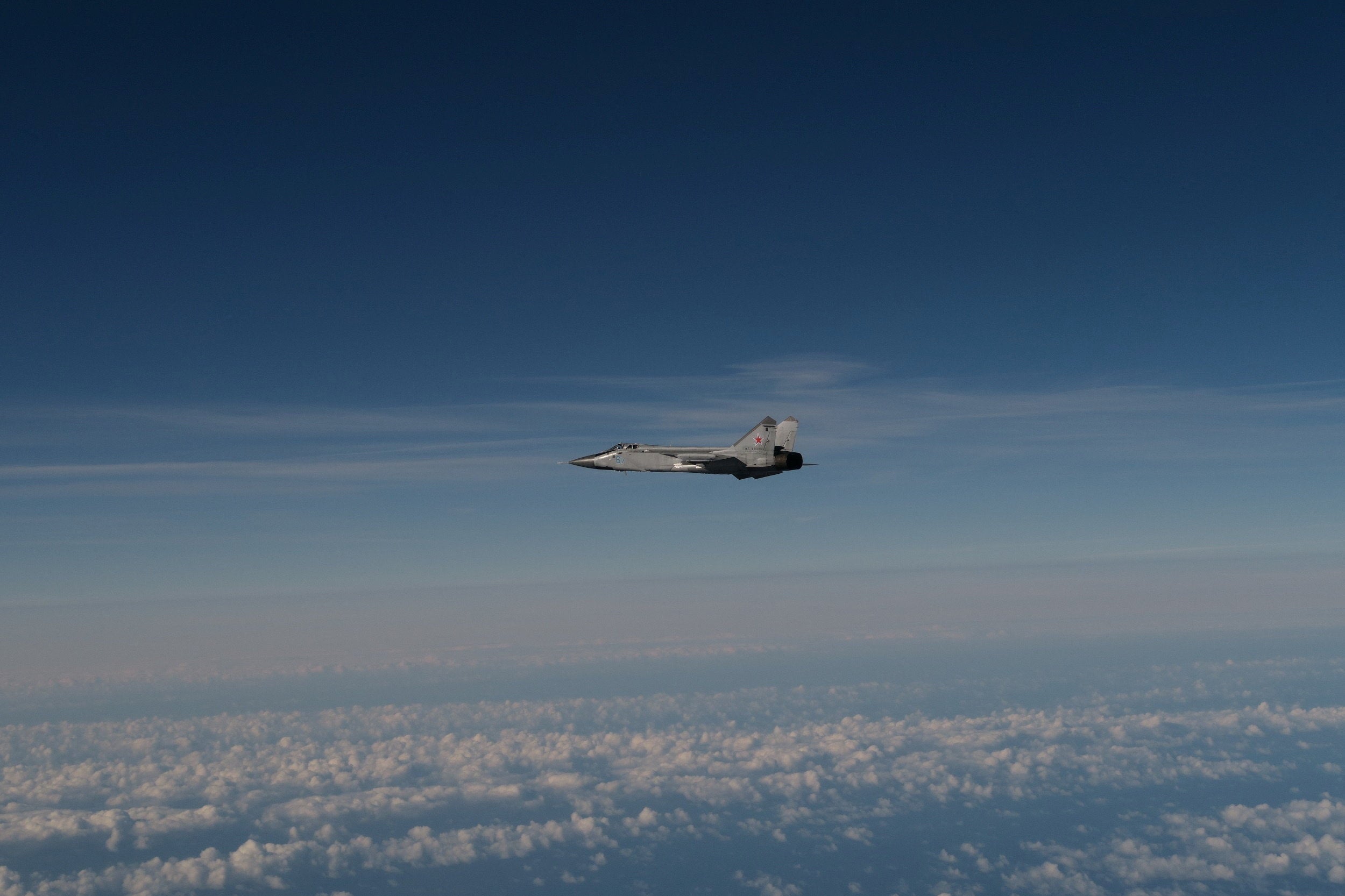
On 19 September 2025, three Russian MiG-31 fighter jets violated Estonian airspace in the Gulf of Finland for a total of 12 minutes, causing Tallinn to invoke Nato’s Article 4, which requires Nato member states to convene when a member believes its territorial integrity is threatened.
There have been several similar incidents in Lithuania and Sweden over the course of the war.
Mysterious drone sightings in Western Europe
As the number of Russian airspace violations in eastern Europe rapidly increased, a series of mysterious drone sightings were seen in western Europe.
Not all of these were confirmed as Russian, although there was no absence of suspicion from analysts and some politicians.
The series of unexplained unmanned aircraft sightings began on 22 September, when flights at Copenhagen and Oslo airports were suspended on 22 November after several large drones were seen inside controlled airspace.
Danish Police said the drone incursions were carried out by a “capable actor” that had the “capacity, the will and the tools to make their presence known”.
It kicked off a series of sightings across several European airports and military bases, all taking place during the evening or at night time.
Drone sightings occurred in Denmark, Norway, Sweden, Germany, Belgium, the Netherlands, Ireland and France during this period.
On 2 October, for example, flights were suspended at Munich airport for several hours with several flights cancelled, at least 17 planes grounded and 3,000 passengers reportedly affected.
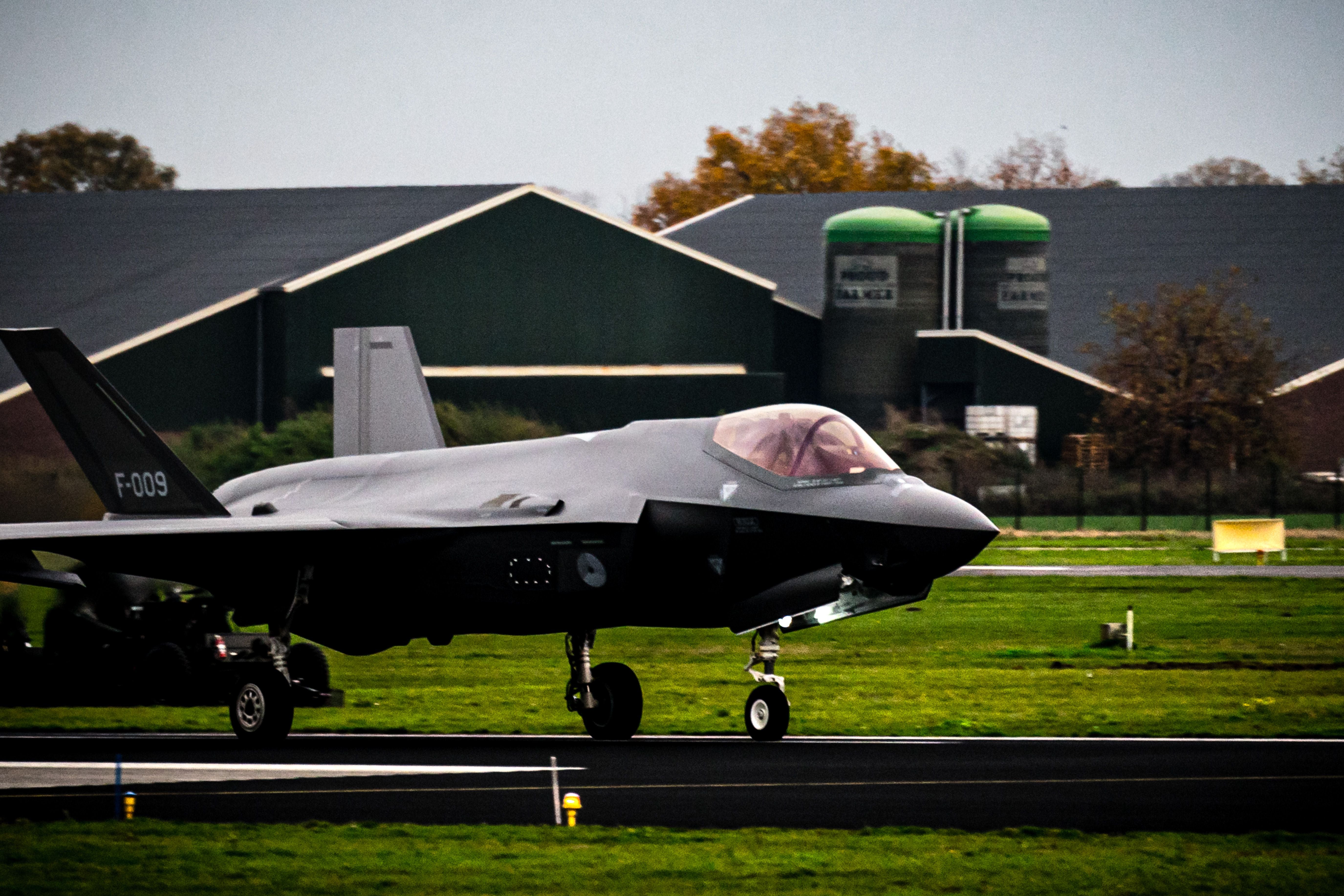
On 22 November, at the Volkel Air Base in the Netherlands where nuclear weapons are stored, the Dutch military opened fire towards several drones, but no wreckage was recovered.
Little over a week later, drones were spotted north of Dublin during the landing approach of Volodymyr Zelensky’s government plane.
The sightings were not confirmed to be Russian involvement, but came at a time of growing concern about Russia’s hybrid war and increasingly threatening actions and statements towards Europe’s Nato countries.
Ukrainian and Russian involvement in Africa
Two Libyan naval officers died from wounds sustained in a weekend Ukrainian drone attack on a Russian warship moored in eastern Libya, Libyan authorities said.
The two men were pronounced dead Tuesday evening.
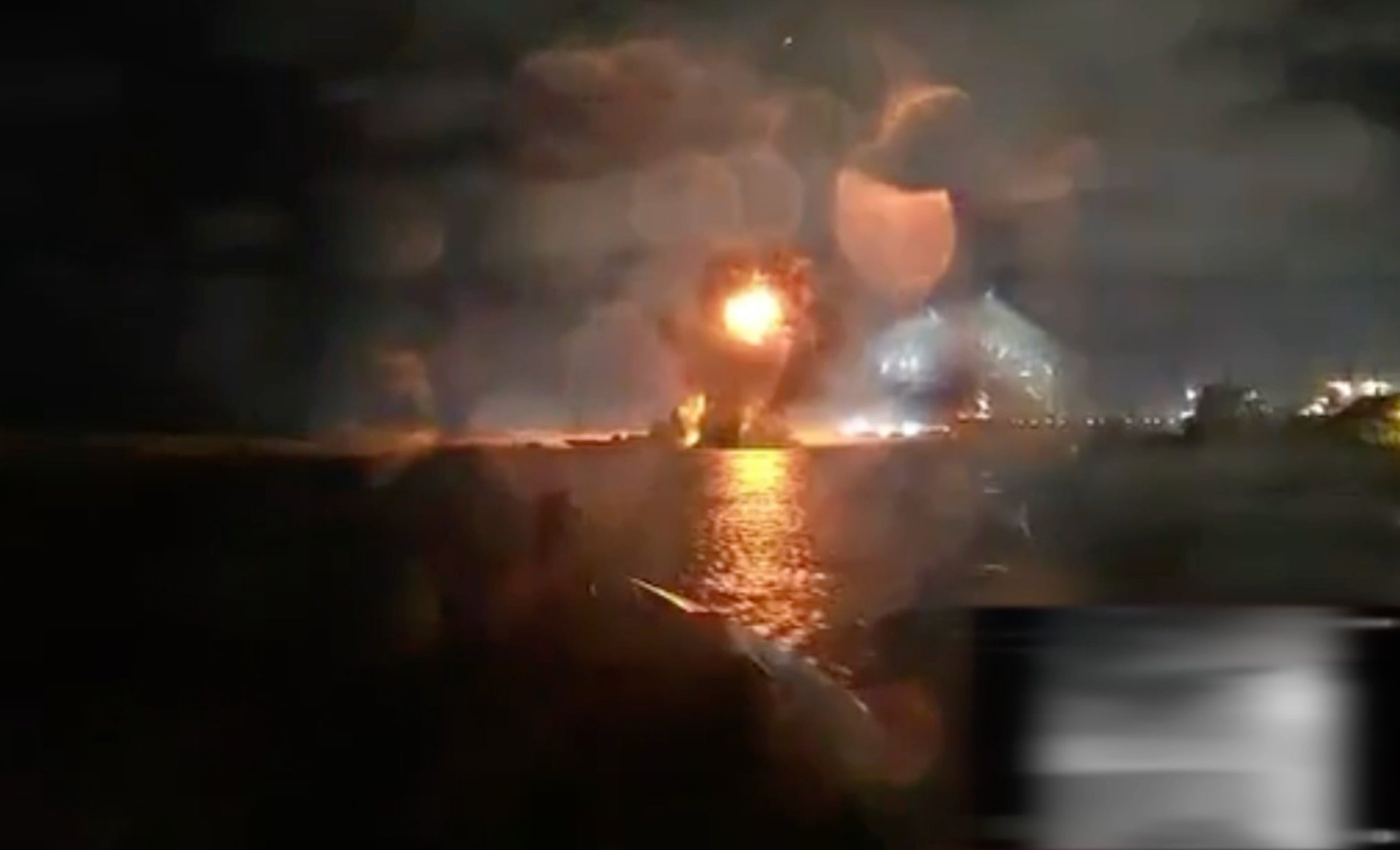
Zelensky on Monday praised his security services for a naval drone strike that he claimed had sunk one of Russia’s newest warships in Libyan waters. But Libyan officials said the £150 million vessel was only heavily damaged.
Several people were wounded in the Sunday drone attack at the Benghazi Naval Base, the self-styled Libyan National Army, or LNA, said in a statement.
The LNA has vowed to retaliate to the attacks.
It was the latest indication of countries in Africa being linked to the long-running conflict between Ukraine and Russia.
Kyiv has reportedly supported rebels fighting Russian-backed government forces in northern Mali. An investigation by CNN in September found around 15 Ukrainian drone specialists were supporting Tuareg rebels in the region.
In November 2025, a Turkish-flagged ship loaded with Russian fuel and anchored off Dakar in Senegal suffered blasts in its engine rooms. While there was no confirmation of who was responsible, the Mersin ship’s operator said it would stop taking Russian businesses due to the risks to security.
Russian forces also use the east of Libya as a staging point for southwards operations in Africa, including gold mining in Sudan and supporting Sudanese paramilitaries the Rapid Support Forces.