Greenland’s future with Denmark faces key election with independence in spotlight
Greenland’s upcoming vote in Denmark’s parliamentary election on 24 March is poised to reveal the island’s appetite for independence, as competing visions for its future relationship with Copenhagen expose political divisions that could be exploited by Donald Trump.
While Greenland’s governing coalition, led by Demokraatit, advocates a pragmatic, long-term path towards independence with Denmark as a key partner, the opposition Naleraq party is pushing for a swift separation.
This sharpening divide, analysts suggest, could be leveraged by Washington. Ulrik Pram Gad, a researcher at the Danish Institute for International Studies, noted that "The American side has begun to look for areas where Greenland has real disagreements with Denmark." However, he added that recent US pressure had inadvertently strengthened cooperation between Nuuk and Copenhagen.
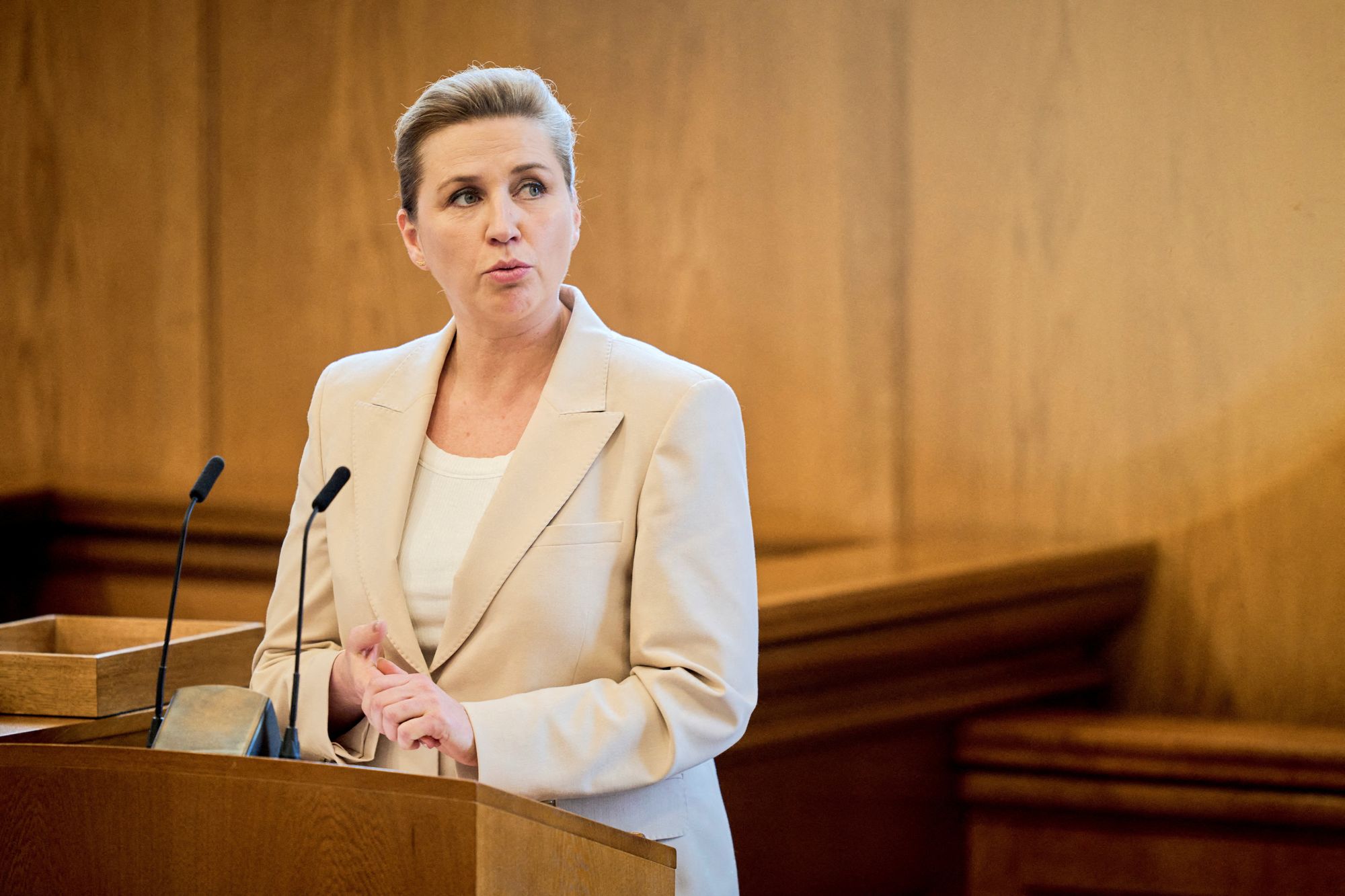
Denmark’s Prime Minister Mette Frederiksen called the election hoping to capitalise on rising domestic support for her firm rejection of US pressure over Greenland, a stance that has garnered broad backing across the Danish political spectrum.
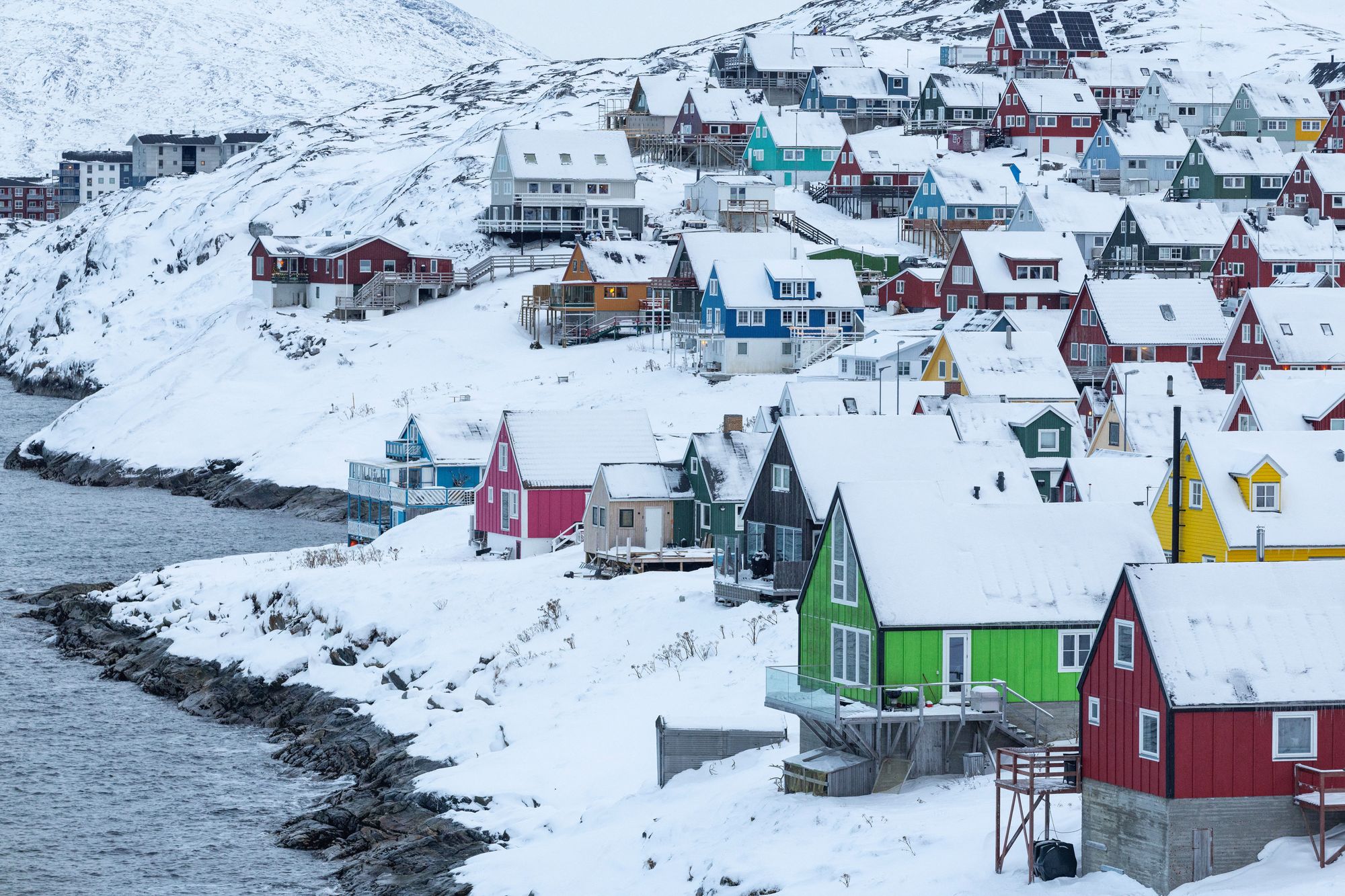
For Greenland, a Danish colony until it became a formal part of the Kingdom of Denmark in 1953, the vote will test whether this pressure has pushed sentiment towards earlier independence or greater dissatisfaction with both Denmark and the island’s coalition government. The independence movement, which began in the 1970s, has gained traction in recent years.
A sharper political divide has emerged since Greenland's own parliamentary election last March. When the Danish election was called, Naleraq's leader, Pele Broberg, accused other parties of "uncritically giving in to the wishes of Denmark and the Danish people for ownership of Greenland" and claimed some wanted to "remove our right to independence."
Rasmus Leander Nielsen, an associate professor at the University of Greenland, suggested that "As the only opposition party, Naleraq could well attract a lot of dissatisfied voters." Further division among Greenland's 57,000 residents was sparked when a Naleraq lawmaker travelled to the United States, meeting members of the Trump administration without the consent of Greenland’s government.
Analysts believe frustration with Denmark and a growing desire for autonomy could erode traditional support for governing coalition parties such as Siumut and Inuit Ataqatigiit (IA), making the Greenland vote more unpredictable than in previous Danish elections.
Copenhagen has sought to repair relations with Greenland after several incidents involving allegations of misconduct by Danish authorities. Last year, Denmark publicly apologised to Greenlandic women subjected to decades of involuntary birth control practices. The contraception campaign, which came to light in 2022, saw thousands of women and girls as young as 13 fitted with intrauterine devices without their knowledge or consent between 1966 and 1991, the year Greenland assumed control over its healthcare system.
Siumut is now calling for the immediate release of an expert report examining whether the campaign constituted genocide, demanding voters have access to the findings before the 24 March election.
Despite the problematic relationship, many Greenlanders were relieved when Ms Frederiksen managed to garner support from key European allies when Donald Trump made it clear he still wanted to take over the island. "Some have been very angry with Mette Frederiksen, but others have also pointed out that she has been quite good at defending Greenland," Mr Leander added.