Australia to tighten sunscreen testing after popular products fail protection claims


Tests found that 16 of 20 popular products failed to deliver the protection promised on their labels
Australia is proposing tougher rules for sunscreen manufacturers after tests found that 16 of 20 popular products failed to deliver the sun protection factor (SPF) advertised on their labels.
The findings came to light in 2025, when consumer group Choice tested popular sunscreens and found that some products offered nowhere near the protection promised on their packaging.
Ultra Violette’s Lean Screen SPF 50+ Mattifying Zinc Skinscreen, for instance, returned an SPF rating of just four. The product was later withdrawn, along with other sunscreens made using the same base formula.
The company’s co-founders, Ava Chandler-Matthews and Bec Jefferd, apologised to customers last year, offered them refunds, and asked them to stop using the product, according to reports.
Now, Australia’s Therapeutic Goods Administration (TGA) wants manufacturers to test the finished products they sell, rather than relying on results from tests of their base formulas alone. Brands would have to submit their results to the regulator before putting products on sale and repeat testing throughout their shelf life.
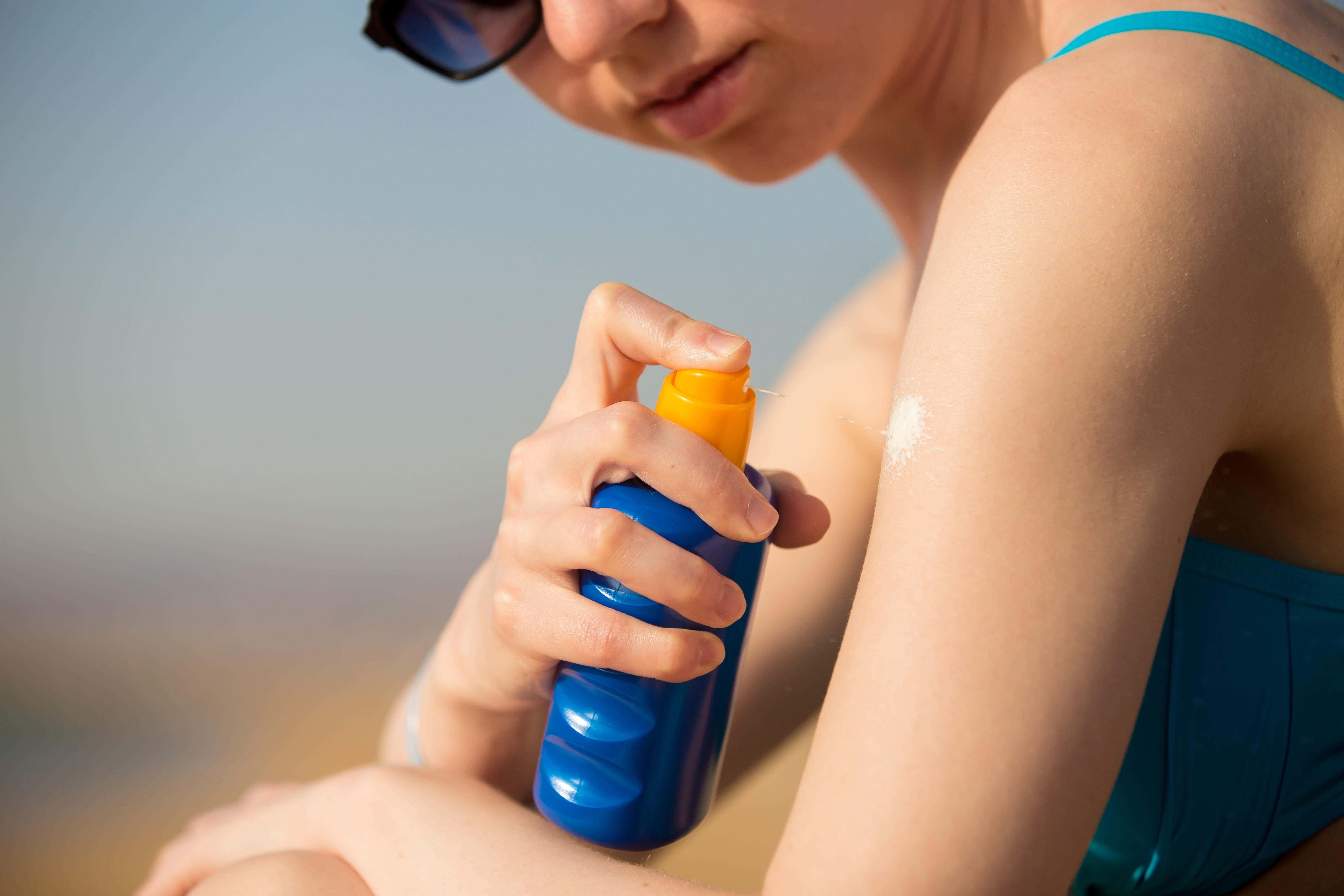
The proposed changes state that the results would remain confidential, and the TGA would not routinely check the data before products reached shop shelves, according to ABC News.
Until now, manufacturers have not had to provide SPF test results unless the regulator specifically requested them.
Andy Kelly, Choice’s director of consumer impact, welcomed the proposals but said the regulator needed to go further. In a statement on Tuesday, the consumer group called for test results to be made public and for the TGA to carry out its own compliance testing.
“In the interest of transparency and public safety, we believe these results should be made available to everyone and that the TGA should routinely monitor test results, as well as conduct its own compliance testing program,” Choice said in a statement.
The TGA considered publishing the results but decided against it, citing concerns about commercial confidentiality, intellectual property and the risk that consumers might misinterpret technical data.

Robyn Langham, the TGA’s chief medical adviser, said: “This is about making SPF claims more reliable, reinforcing suppliers’ responsibility for their products, and giving the TGA faster access to evidence when concerns arise.”
Some foundations and other cosmetics sold in Australia can advertise SPF 50+ even though sun protection is not their primary purpose.
The TGA wants to limit the SPF claims these products can make, making it easier for consumers to distinguish them from sunscreens designed primarily to protect against ultraviolet radiation.
The reforms are not yet in force.
The TGA received 119 submissions during a consultation held between March and May 2026, and says some changes could be introduced in the short term, while others will require further consultation or legislative amendments.
Australia has the highest rate of skin cancer in the world, with two in three Australians expected to be diagnosed during their lifetime. Around 2,000 people die from the disease each year, according to Cancer Council Australia.
Related Articles
- World News
Over 4 million tubes of toothpaste have been recalled, including kids brands — here’s what you need to know
- Stock Markets News
Chinese beauty brands, flush with success at home, start to vie for global shelf space
- Crypto News
Glamsterdam is off Hoodi’s October calendar as Ethereum checks contract risks
- World News
Ulta’s Early Black Friday deals are almost too good to be true: Save up to 50% on Medicube, Clinique and more
- Forex News
FCA Says Only 12% of CFD Firms Changed Charges: How Overnight Financing Fees Work