Why is Lam Research stock sliding today?
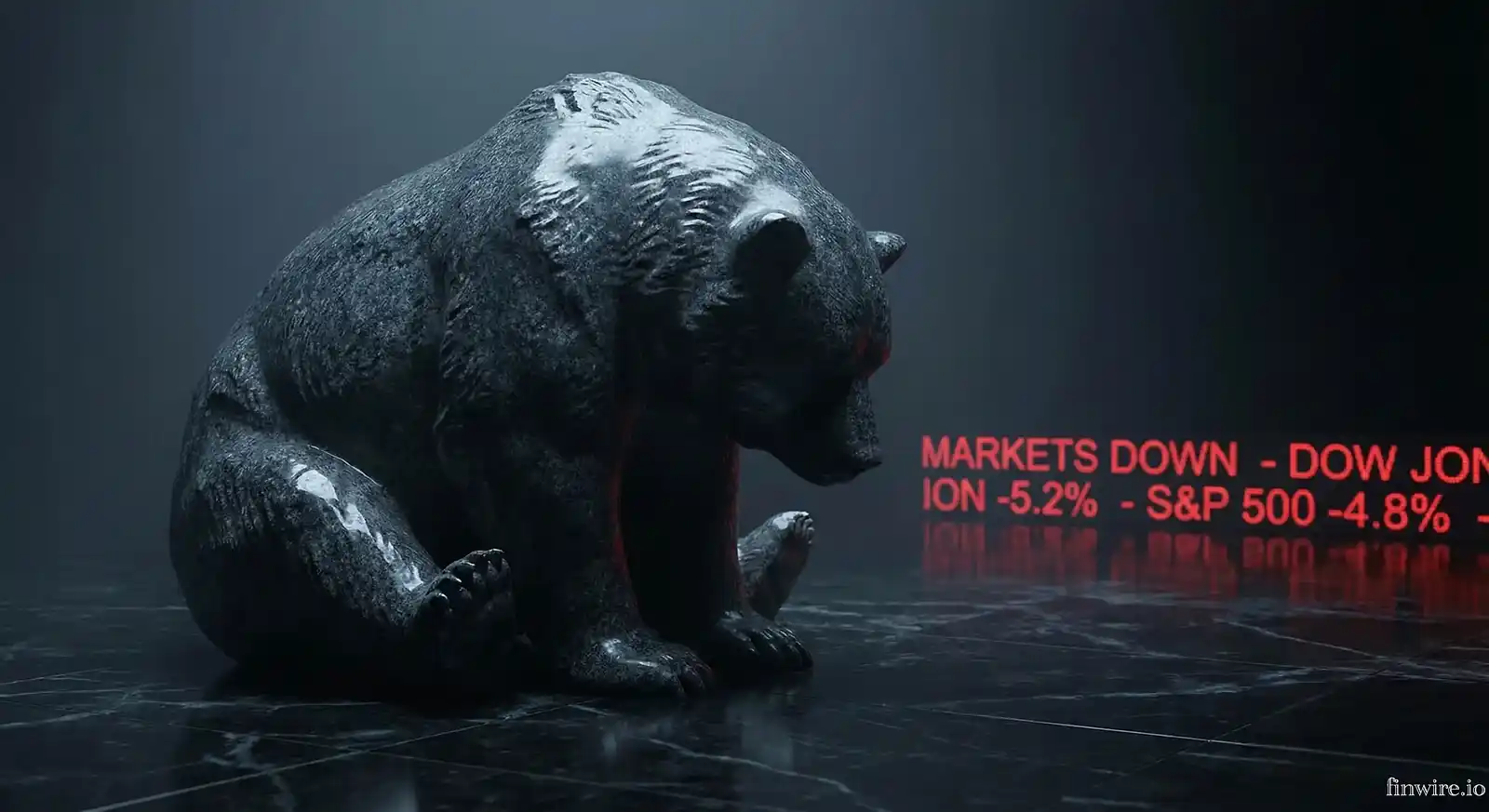
Shares of Lam Research fell 6.2% in morning trading to reach $212.03, pulled down by the widening market fallout from NVIDIA CEO Jensen Huang’s resignation last week, which has sent shockwaves through the semiconductor and AI infrastructure supply chain. The uncertainty surrounding NVIDIA’s leadership — and what it means for the pace of AI capital spending — has prompted investors to reduce exposure across the entire chip equipment sector.
Lam Research’s decline today is amplified by a difficult technical and fundamental backdrop that was already in place before today’s session. The stock had been in a steep downtrend for the past month, weighed down by its fiscal first-quarter earnings report in which record results were overshadowed by supply constraints that threatened to limit future shipments and guidance that only matched rather than exceeded investor expectations. Analysts subsequently trimmed price targets, and a death cross — where the 50-day moving average fell below the 200-day moving average — formed in November, reinforcing bearish momentum.
The broader market is also providing no shelter today, with the Nasdaq down 2.0%, the S&P 500 off 1.3%, and the Dow Jones lower by 0.7%, reflecting a wide risk-off tone tied to the NVIDIA leadership crisis. Lam Research’s direct peers in the chip equipment space, including Applied Materials and KLA Corporation, are falling alongside it, confirming this is a sector-wide sympathy move rather than a company-specific event. The technology sector has now declined sharply over the past 30 and 90 days as AI spending fears have mounted.
The combination of macro-driven semiconductor selling, NVIDIA’s leadership vacuum ahead of its first earnings report without Jensen Huang, and Lam Research’s own unresolved supply and valuation concerns has created a compounding pressure on the stock. At $212.03, LRCX now sits dramatically below its 52-week high of $438.50, though well above its 52-week low of $135.50, leaving investors to weigh a deeply discounted valuation against an uncertain near-term demand outlook.