Wall St futures rise as U.S., Iran reportedly halt attacks in Hormuz
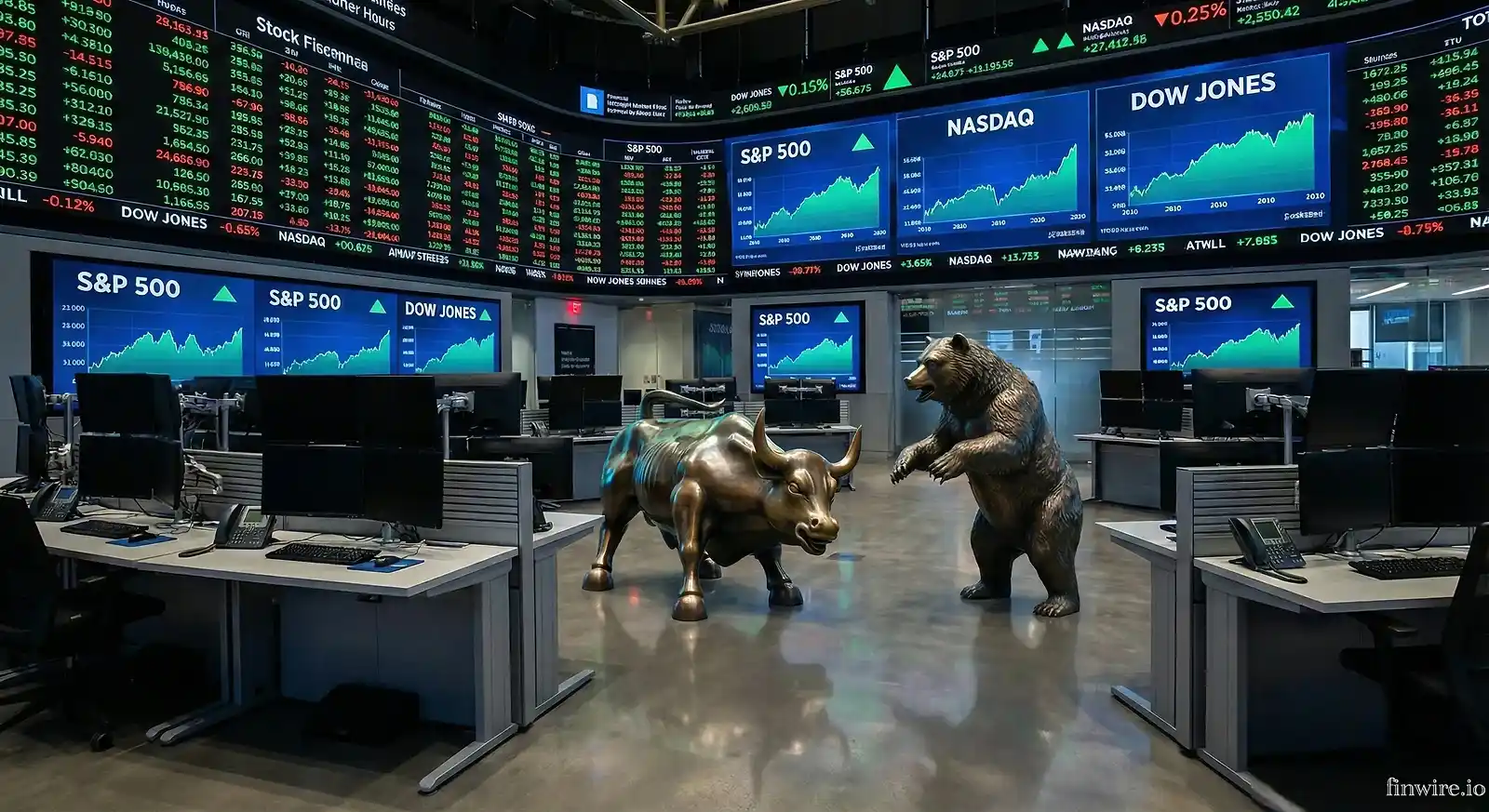
U.S. stock futures rose on Monday as investors assessed reports that Washington and Tehran had agreed to halt recent hostilities around the Strait of Hormuz and resume talks, easing concerns over a wider disruption.
S&P 500 Futures rose 57 points, or 0.8%, while Nasdaq 100 Futures climbed 324 points, or 1.1%, by 06:12 ET (10:12 GMT). Dow Jones Futures traded 169 points, or 0.3%, higher.
U.S., Iran reportedly halt attacks after flare-up
Investor sentiment improved after an Axios report said the United States and Iran had agreed to stop fighting over the strategic waterway and restart negotiations in Doha.
Over the weekend, U.S. forces carried out fresh strikes against Iranian military and surveillance facilities after a tanker was struck in the Strait of Hormuz and commercial shipping came under renewed pressure.
President Donald Trump warned that Washington could be forced to "militarily complete the job" if attacks continued.
Iran responded with missile and drone attacks targeting U.S. military installations in Bahrain and Kuwait, according to reports, while also threatening to suspend negotiations if further U.S. strikes occurred.
The two sides plan to meet on Tuesday in Qatar, the Axios report said.
The latest diplomatic efforts build on a June 17 interim peace agreement between the two countries that ended several weeks of escalating conflict in the Gulf.
Oil prices ticked higher in Asian trading on Monday after sliding nearly 10% in the previous week.
Tech stocks in focus after last week’s sell-off
Wall Street struggled last week as investors rotated away from high-growth technology names amid concerns over stretched valuations and slowing momentum in artificial intelligence-related stocks.
The benchmark S&P 500 fell 2.0%, while the NASDAQ Composite tumbled 4.6%, marking its worst weekly performance in more than a year.
Sentiment was dented after Apple (NASDAQ:AAPL) raised prices on several MacBook and iPad models, citing surging memory-chip costs driven by booming demand from artificial-intelligence data centres.
Market participants are now turning their attention to a busy week, including U.S. labor market data and second-quarter updates from major companies.
With the U.S. Independence Day approaching, trading volumes may remain lighter than usual, though geopolitical developments in the Middle East are likely to remain a key driver of risk sentiment across global markets.