The BoC’s rate hike is totally unnecessary and premature
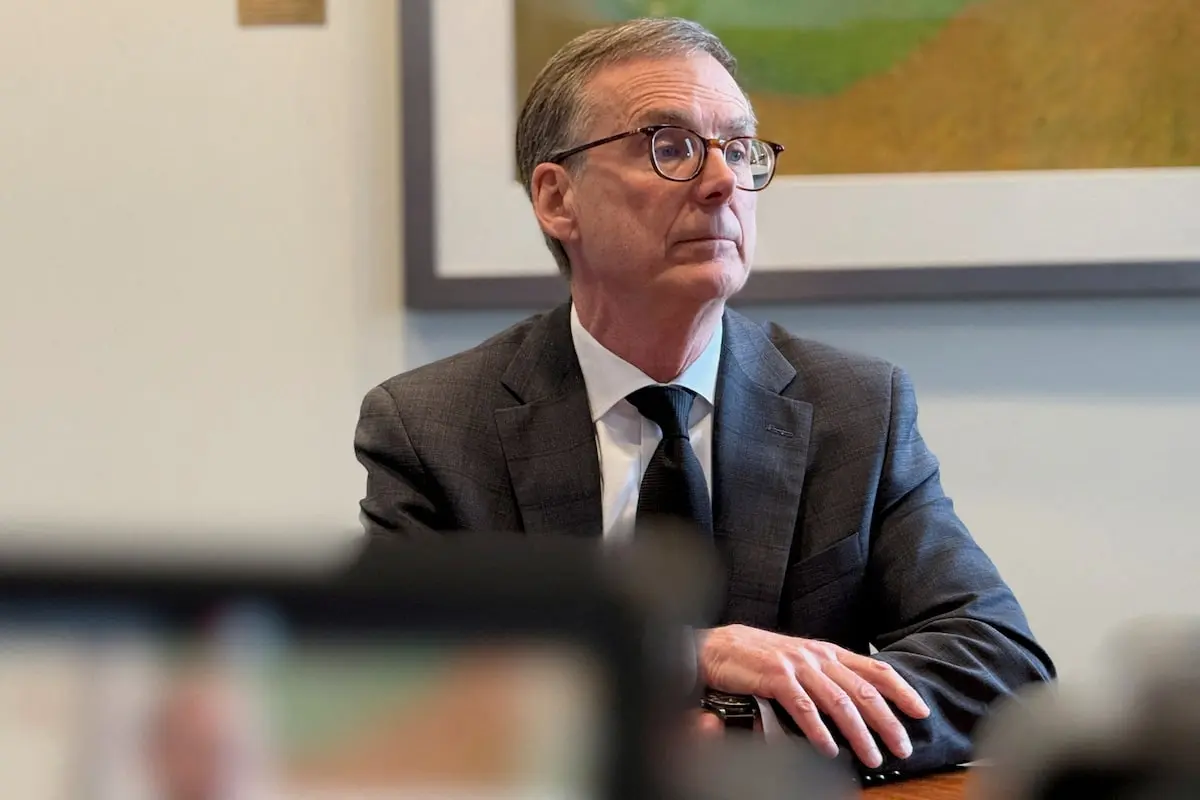
The Bank of Canada did the expected and raised rates by 25 basis points to 2.5 per cent, in the first hike since July, 2023. This would have been more of a surprise a month ago, but since Tiff Macklem delivered a hawkish tone in Thailand the weekend before last, he deliberately boxed himself into a rate increase today.
In my view, totally unnecessary and premature.
He is concerned about a 3.1 per-cent inflation rate even though the only reason it is at this pace and not at around 2 per cent is because of energy costs, which are beyond his control. Tightening into a global supply shock is a risky game to play, which is why the BoC did not roll the dice in the face of any other such situation since the repeated oil price increases in the 1970s due to the OPEC embargo. While the press statement did mention imported tech-related inflation (chips) as a source of price pressure, even with that, virtually every core measure of inflation is at, near or below 2 per cent.
The bank implicitly signalled further hikes with its newly revised inflation forecasts – lifting the forecast for 2026 to 2.9 per cent from the 2.5 per cent projected back in July; and to 3.1 per cent from 2.0 per cent for 2027. Ostensibly, the bank believes that pass-through from sharply rising transportation costs is in our future.
Any central bank raising rates because of headline inflation when there is no evidence of any spillover into the core metrics or wages is a cross between reckless and dangerous. The bank also donned the rose-coloured glasses, boosting its real GDP growth estimate to 1.0 per cent year-over-year for this year (from 0.7 per cent in July) and 2.0 per cent for next year (from 1.8 per cent). And while mentioning that long-run inflation expectations remain anchored, for the first time, it stressed that shorter-term views have accelerated of late. In one word or less – hawkish.
The Bank of Canada raised its key interest rate for the first time in three years. Ask us your questions
But the caveat is that the bank was rather non-committal in saying there “could” (as opposed to “would”) be further adjustments, and added that there was just enough uncertainty to “proceed carefully.” Keep in mind two key items: that beyond more than one additional hike, policy would then move into a restrictive posture; and that the economy is still expected to be operating under a state of excess supply (the output gap is estimated at between -0.25 per cent and -1.25 per cent), which one would think will keep the underlying rate of inflation near target, even with the imported exogenous shocks keeping headline above +3 per cent (according to the forecast).
For now, I consider this to be an insurance hike, and perhaps it will help limit further increases down the road. But the domestic economy, with employment down more than 40,000 jobs so far this year, is far less buoyant than the BoC assumes.
As we saw with the tariff shock, this current war-related shock will surprise those with an aggressive inflation view – and that now includes the Bank of Canada. While the markets still have multiple rate hikes being discounted, I think the BoC is either going to be one and done, or two and through. That should embed some decent value in short-term bonds.
It was very interesting, and I believe a glaring dichotomy, that the bank raised rates the same day that its New Zealand counterpart decided to hold its fire, even though the consensus and markets in that country were almost fully priced for a rate adjustment. Not to mention that headline inflation in New Zealand is +3.7 per cent year-over-year compared to +3.1 per cent in Canada, and core inflation is at the high end of that central bank’s 1 per cent-to-3 per cent band.
Opinion: Was the Bank of Canada’s strike against inflation premature?
Why did the Reserve Bank of New Zealand not do what the Bank of Canada just did? Because it is far less strident. It did not talk about how much the economic outlook had improved; instead, it discussed heightened global macro risks, which are squarely to the downside.
As Mr. Macklem lamented imported memory chip inflation, the RBNZ stated that “there is uncertainty about whether the surge in AI investments will be justified by economic fundamentals” (adding “financial stability risks” into the mix), and bluntly noted that there is “considerable uncertainty about the global inflation outlook.” And then added this little ditty: “a global downturn could occur abruptly.”
New Zealand’s central bank also didn’t discuss its iron-clad opinion that there will be cost pass-through from the energy price backdrop, but rather emphasized the limited ability of businesses to raise final prices for a consumer base already facing sticker shock and refusing to pay those higher prices. What makes Canadian shoppers any different?
BoC hikes rate to 2.5%, suggests more may be needed to contain oil-price shock
My hope is that the bank’s move was just an insurance policy and not a cycle of rising rates. The housing market is already moribund, to say the least, and one sector of the economy that is deep in deflation mode. The Canadian household sector is saddled with an unprecedented $3.3-trillion of debt, equivalent to 168 per cent of disposable income.
Here is my take on the situation and where I think the RBNZ got it right and the Bank of Canada got it wrong. Global supply-induced inflation shocks that hit the wall in the labour market will only lead to a contraction in real incomes and, with a lag, a contraction in real consumer spending, which accounts for around 60 per cent of the country’s economic base.
By piling on to this cost shock with rate hikes, the recession that we did not get when we were supposed to back in 2021 and 2022, when fiscal stimulus was running rampant, will likely emerge as a primary risk for 2027. And let’s face it: This won’t be the first time that a central bank was forced into an about-face. The Reserve Bank of New Zealand, as I keep coming back to, seems to get what it is I am saying. The Bank of Canada – not so much.
But let’s just say that the two central banks can’t both be right. My bet is on Kiwiland.
David Rosenberg is founder of Rosenberg Research.