Premarket: S&P 500, Nasdaq futures climb as chip stocks stabilize
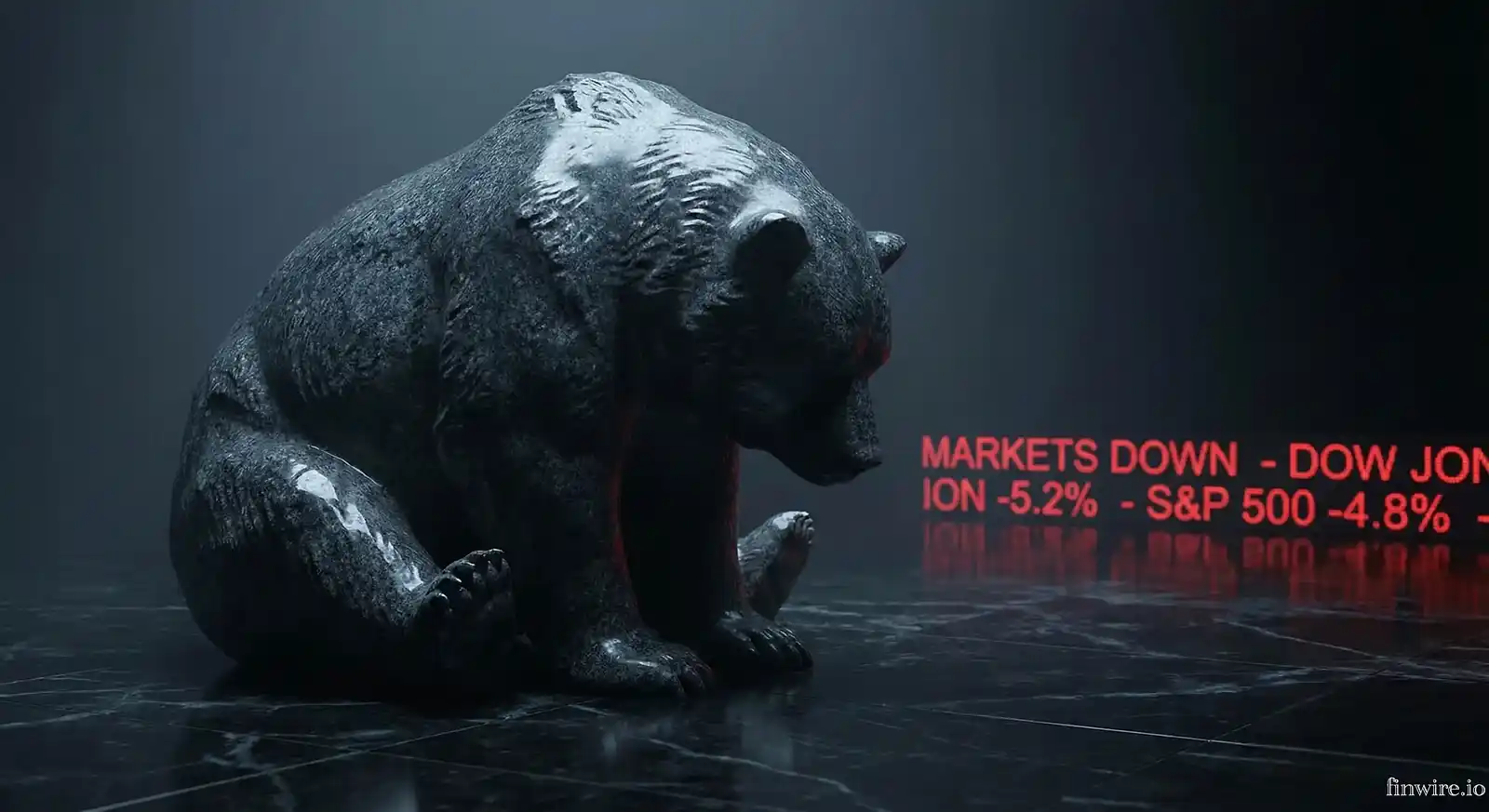
S&P 500 and Nasdaq futures climbed on Monday, as chip stocks steadied after plunging to over two-week lows, though renewed strikes in the Middle East kept investors largely at bay.
Shares of Nvidia, Broadcom and Micron Technology rose between 1.5 per cent and 3.9 per cent premarket, rebounding from a sharp selloff on Friday that wiped out $1 trillion in market value for U.S.-listed chipmakers.
Expectations of tighter monetary policy and underwhelming results from Broadcom last week raised concerns that the sector was growing too fast too quickly, prompting traders to retreat after a strong run this year.
“We do not expect investors to lose confidence in the AI outlook,” said Mark Haefele, chief investment officer at UBS Global Wealth Management.
“Although tech stocks have come under pressure in recent days amid concerns about whether expectations can be met, business fundamentals remain strong.”
By 06:07 a.m. ET, S&P 500 e-minis were up 25.75 points, or 0.35 per cent. Nasdaq 100 e-minis added 200.75 points, or 0.69 per cent and Dow e-minis dipped 47 points, or 0.09 per cent.
Much stronger-than-expected jobs data for May also contributed to Friday’s rout, as traders priced in interest rate increases this year. Interest rate futures pricing implies a 42 per cent chance that the Federal Reserve will hike rates by 25 basis points in December, per CME Group’s Fedwatch tool.
Wednesday’s consumer prices report for May could offer investors fresh insights on how the rise in energy prices due to the Iran war is impacting inflation.
Crude prices rose more than 4 per cent to more than $95 a barrel as renewed Israeli strikes on Iran and fresh attacks on Lebanon soured hopes of an imminent end to the wider war.
Shares of U.S. airline operators including Southwest Airlines and Southwest Airlines fell 2.4 per cent each as the spike in oil prices raised concerns about higher fuel costs.
Marvell Technology jumped 6.6 per cent premarket as the chipmaker was set to join the benchmark S&P 500 before the start of trading on June 22.
Eli Lilly jumped 4.1 per cent after the drugmaker’s trial results showed its next-generation obesity drug retatrutide curbed sleep apnea severity in addition to boosting weight loss and helping knee pain.
Global stocks declined on Monday as fresh hostilities in the Middle East pushed up oil prices and as investors rushed out of the hottest AI-linked shares on fears that the bull run has gone too far, too fast.
The twin triggers for the tech rout were last week’s disappointing outlook at chipmaker Broadcom and a surprisingly strong U.S. jobs report on Friday that has traders pricing in a rate hike from the Federal Reserve this year.
Escalating conflict in the Middle East is also hurting sentiment after Israel said it struck military targets in western and central Iran, pushing Brent crude futures 5 per cent higher.
“The market has gone a long way without a correction,” said Lars Skovgaard, senior investment strategist at Danske Bank.
“The big surprise is not that we had a selloff, but that we didn’t have it before.”
Europe’s STOXX 600 was down 0.8 per cent on Monday. Major bourses in Frankfurt, Paris and London were down between 0.4 per cent and 1 per cent.
Europe’s relative lack of a technology hardware sector and greater exposure to energy prices have meant its major markets have largely taken a back seat in the rally that has gripped Wall Street, Tokyo and Seoul, but it also makes the region more insulated than other markets to a sharp selloff in the tech space.
In Asia, the decline in equity markets was starker. South Korea’s chip-heavy KOSPI, the world’s best-performing market this year, led losses with an 8.3 per cent slide that has the benchmark down over 16 per cent from last week’s record high.
Japan’s Nikkei fell almost 4 per cent with market darlings across the computer-chip production supply chain falling furthest, while Taiwan’s benchmark sank 3.5 per cent.
“The move looks more like a positioning and momentum unwind than a reassessment of the long-term AI story,” said Marc Velan, head of investments at Lucerne Asset Management in Singapore.
“(South) Korean technology names have been among the strongest performers globally and were heavily owned, so when rate expectations shifted after the jobs report, they became a natural source of liquidity.”
In bonds, the 2-year Treasury yield rose more than 11 basis points on Friday after the robust jobs report. It was up 1.5 bps on Monday to 4.1784 per cent as markets bet that the Fed will hike rates this year. The benchmark 10-year yield rose 3.5 bps on Monday to 4.57 per cent.
“The yield rise was the one that cooked the market. That was the last straw,” Danske Bank’s Skovgaard said.
“With volatility rising you’ve had some forced selling of investors having to lower their exposure to equities.”
The week ahead is headlined by the giant SpaceX listing, expected to price on Thursday and trade on Friday, but inflation will also be in focus with U.S. consumer price data due on Wednesday and central bank meetings in Canada and Europe.
Last week, bitcoin notched its heaviest weekly drop since the collapse of crypto exchange FTX in late 2022, falling about 16 per cent. It was up slightly on Monday, hovering just above $63,000.
SpaceX’s debut is expected to be followed by other major IPOs in the coming months from Anthropic and OpenAI, raising so much money that brokers are nervous it could draw down other assets.
“The market regime has potentially shifted from moderate inflation and rate cuts to potential ‘overheating’ contributing to higher Treasury yields, a higher path of short-term interest rates and tighter liquidity,” said Nick Ferres, CIO of Vantage Point Asset Management in Singapore.
In currency trading, the dollar was firm and holding above 160 yen, keeping investors on watch for intervention from Japanese authorities. The euro hovered at $1.1518.
Reuters