Nvidia ends lower for second straight session as AI trade selloff gathers pace
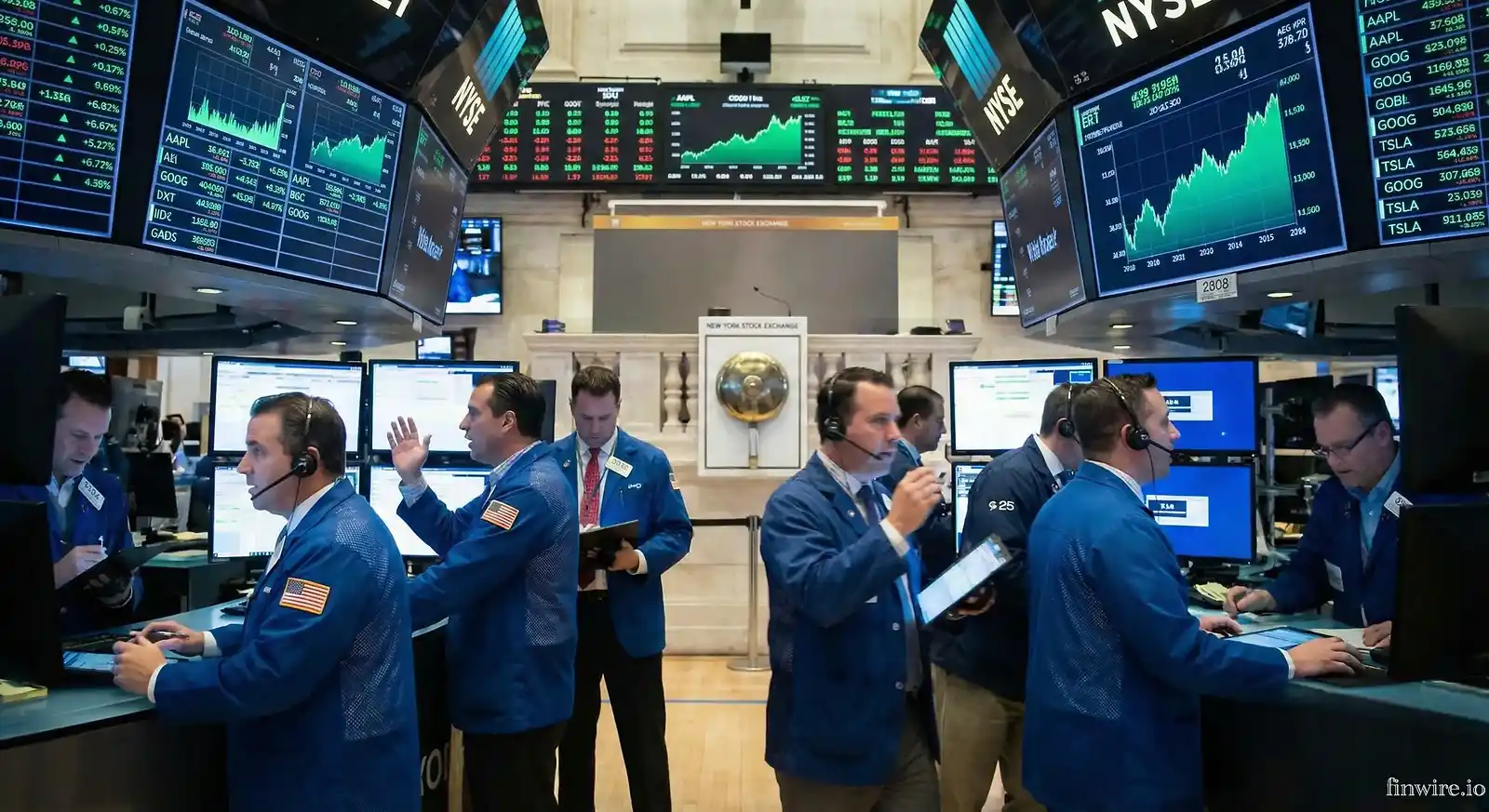
Nvidia shares fell for a second consecutive session on Wednesday, extending losses as renewed weakness in technology stocks overshadowed initial optimism surrounding the return of chief executive Jensen Huang.
The chipmaker’s shares closed 3.9% lower after falling more than 8% earlier in the session. The decline followed a 5.9% drop on Tuesday, giving back some of the sharp gains recorded earlier in the week after the announcement of Huang’s reinstatement. Investors seemed to cheer the reinstatement, with many arguing that Huang is an essential figure in the broader artificial intelligence ecosystem.
Huang had resigned from the helm of Nvidia earlier this month after revelations surfaced that he had multiple extramarital affairs, including one with an alleged Chinese spy and another with a subordinate. But, in a shocking twist on Monday, Nvidia brought back Huang, with U.S. President Donald Trump intervening personally on his behalf with the company’s board.
Nvidia shares added roughly $1 trillion in market value on the news, briefly reinvigorating an AI trade that has been plagued by a host of concerns, such as debt-fueled data center spending and rising interest rates.
However, those worries appear to have come back to the fore. Both the tech-heavy Nasdaq Composite and benchmark S&P 500 fell sharply, extending a selloff from the prior session.
"As the U.S. winds down today into tomorrow’s Thanksgiving holiday, the risk-off tone has returned over the last 24 hours, as Monday’s rebound in tech stocks lost momentum once again," analysts at Deutsche Bank said in a note.
Meanwhile, scrutiny on Nvidia is set to intensify further, with Huang due to appear before U.S. Congressional committees in the coming days. Huang could face questions over whether Nvidia’s business with China may have violated strict U.S. export laws. Speaking to the New York Post, Trump said said he could pardon Huang if necessary.
The president also suggested that it was "probably not too late" for the U.S. government to take an equity stake in the chip giant.
Jaiveer Shekhawat contributed reporting.