Menopause symptoms aren’t just disruptive, they’re costly
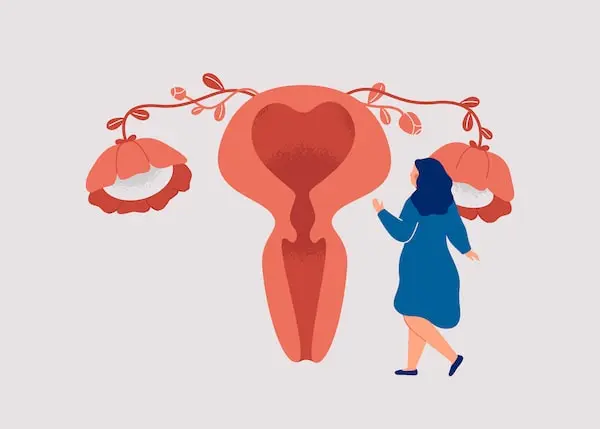

The costs of menopause span the gamut from lost wages and missed career opportunities to the day-to-day expenses of coping with hot flashes and lack of sleep.Mary Long/Getty Images
Exhaustion, brain fog, night sweats, heart palpitations. These are some of the well-known physical discomforts – and straight-up pains – of menopause.
What’s often overlooked are the costs, which come with their own kind of pain. They span the gamut from lost wages and missed career opportunities to the day-to-day expenses of coping with hot flashes and lack of sleep, for example.
Insurance claims for hormone replacement therapy, one of the most common treatments for menopause symptoms, soared 228 per cent for women aged 45-54 in the past five years, Manulife data found, as new research drove changing attitudes toward the treatment and the risks it may have been associated with.
Estrogen and progesterone patches, gels and pills can cost between $240 and $1,800 annually, but only B.C. and Manitoba have sweeping coverage for HRT, leaving many women to rely on private insurance and out-of-pocket expenses.
But, as my colleague Tavia Grant wrote this week, the steepest costs come from what are often preventable setbacks during women’s peak working years. For today’s newsletter, I asked her to help unpack the biggest ways menopause takes a toll on personal and national finances.
1. We know that menopause already comes with painful physical and psychological symptoms. Why is it also costly?
It’s important to remember that menopause is not a disease – it’s a natural life stage experienced by half the population.
But between perimenopause – which typically starts in a woman’s 40s (or earlier) – and menopause itself, there are dozens of symptoms, and the majority of women will experience them at some point: frozen shoulders, night sweats, difficulty sleeping, brain fog, irregular periods.
The consequences for the economy, labour market and individuals are huge. One estimate, from the Menopause Foundation of Canada, puts it at $3.5-billion a year. This includes $237-million in lost productivity and $3.3-billion in lost income for women, due to a reduction in hours or pay, or leaving the work force altogether.
Many women have fears about speaking with their employers or asking for accommodations. Untreated symptoms may drive some to cut their hours, avoid promotions, change careers or drop out of the labour force altogether. This has severe consequences for their financial security and retirement savings.
That said, it’s hard to quantify the exact impacts. Women’s labour-force participation rates drop in their late 50s, and menopause could be one factor among several, which caninclude having to care for aging parents, stress and other health issues.
2. What do we know about the consequences for labour market outcomes?
As of last year, the work-forceparticipation rate for women in Canada aged 55 to 59 years was 73.3 per cent, compared with 82.8 per cent among men of the same age, according to Statistics Canada data.
There are many reasons for this gap. Menopause – and the stigma and stereotypes around menopause – could be just one of them.
One study called the Menopause Penalty found a lasting drop in earnings and employment after a menopause diagnosis. Research in Britain showed that the number of menopause symptoms a woman faces is tied to lower employment rates.
3. Some evidence shows that hormone replacement therapy, which replaces hormones commonly lost throughout menopause, can help some women alleviate symptoms. Is it easy to access coverage?
HRT or menopausal hormone therapy is not covered in every province. (Only three provinces and one territory have signed deals with Ottawa.)
Some can access treatment through private insurance, but many are having to pay out of pocket. Others may not be able to afford to do so, and are going without treatment or other supports such as non-hormonal prescription medications.
4. What progress is being made abroad to curb some of the financial and economic blowback?
Britain recently became the first country in the world to write menopause into employment law. As of next year, large employers must have action plans that support people experiencing menopause.
Australia just started its first-ever national campaign on addressing issues related to menopause, with the federal government expanding services covered for women.
5. What about at home?
Change is afoot in Canada. A parliamentary committee is now studying the labour force effectsof menopause and perimenopause and will be making recommendations to government.
Some employers are stepping up efforts. Sun Life, for example, has started offering menopause training to break down misconceptions and supports such as flexible, hybrid work days to its employees globally.
Workplace changes don’t have to be expensive or unduly complicated. As Aimee Debow, a Toronto-based educator who helps companies start dialogue around menopause, told me in a recent interview: “It’s such a small investment to invest in a woman’s health who’s going through menopause – and the payback is huge.”
How have menopause symptoms weighed on you, emotionally, medically or financially? How are you covering the expenses and how much has it impacted your life? Drop us a line using this form.
Subscribe to the On Money newsletterAre you reading this newsletter on the web or did someone forward the e-mail version to you? If so, you can sign up for On Money here.
Mariya’s consumer reading list
TIFF is no longer the people’s festival
The cost of tickets for this year’s Toronto International Film Festival surged, leavinglongtime fans priced out. It’s only the latest in a lineup of cultural events – from concerts to baseball tournaments – coming to terms with how to stay accessible for its original fan base while surviving as big business.
Gift registries – for, well, life – are on the rise (The Strategist, Paywall)
Wish lists aren’t just for birthdays and weddings any more, according to your kids and local Gen-Z whisperers. A multiplying number of new platforms offer the option to create what amounts to a continuing “I want!” catalogue and declaration of taste. Whether the trend is received as refreshingly honest or irksome remains to be seen.
The cost of U.S. streaming services grew three times faster than inflation since 2022
Apple TV prices tripled from its initial $4.99 offering in 2019, Disney+ saw prices rise 172 per cent, while stacking on ads it didn’t used to have, and Paramount+’s cheapest tier is up 80 per cent in five years, a Hollywood Reporter analysis found.
Podcast fansSubscribe to Stress Test on Apple podcasts or Spotify.
Chart of the day
In this chart, Frederick Vettese looks at how bond yields may show where interest rates are heading over the long term.
Financial tool of the week
If the “traditional” path of working into your 60s feels like a bad fit, this chart is a handy visual to break down what different ways of organizing life around retirement could look like by age.
In the social sphere
Social Media
Young workers used to move to places that offer more economic opportunities. This chart shows just how much they’re now edging in the opposite direction.
Money-free zone
With big homes still out of reach for many of us, some are opting to enjoy the tinier kind: dollhouses to be exact. Building them is gaining serious traction as a hobby, and the global market is projected to more than double to $2.5-billion by 2032.
ICYMI
Globe and Mail stories from the last few days
- Canadian business travel to the U.S. still going strong even as trade war intensifies
- How should “longevity planning” factor into my financial plan?
- GIC rates climb across all terms while savings rates sit still
- The smallest condos are being hit hardest by the market decline