How an ‘unexpected turn’ forced Patti Dolan to rethink her retirement plans
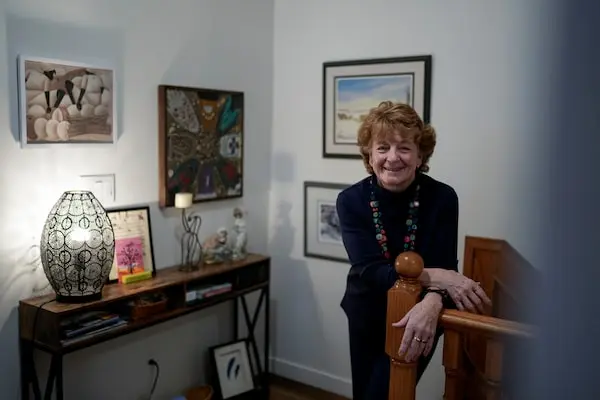

Patti Dolan, a retired financial advisor, poses at her home in Calgary. 'I wanted variety – not just physical activities but also intellectual stimulation, friendships and opportunities to contribute,' she says about her life in retirement.LEAH HENNEL/The Globe and Mail
In Tales from the Golden Age, retirees talk about their spending, savings and whether life after work is what they expected. For more articles in this series, click here.
Patti Dolan, 67, Calgary
I retired in 2025, at the age of 66, after a career in wealth management as a portfolio manager. When I was 65, I suffered a ruptured appendix. It was a shock because I had always been super healthy; I thought I had just pulled a muscle.
It was a shot across the bow that made me realize my own mortality and prompted me to think seriously about how I wanted to spend the years ahead. After decades helping others plan their financial futures, it was time to focus on my own life beyond work.
I looked forward to greater flexibility, new interests and community involvement in retirement. I had a full schedule while working, so simply stopping and doing nothing never appealed to me.
However, retirement took an unexpected turn when my partner, Ken, died in August this year after a brief battle with pancreatic cancer. I had imagined retirement as a chapter we would share. I’m now learning to build a different life, which has reinforced the importance of friendships, interests and purpose beyond both work and relationships.
I’m learning French, swimming with a masters club, hiking, cross-country skiing and travelling. I’ve also joined an active Rotary club with interesting speakers, become involved in community planning issues, learned bridge and pursued volunteer work focused on poverty reduction and social connection. I wanted variety – not just physical activities but also intellectual stimulation, friendships and opportunities to contribute.
For instance, my first trip in retirement was a three-week holiday to Japan with a longtime friend from school. What was different was that I didn’t have to check in with the office constantly. Being disconnected felt decadent. I’ve since travelled to Iceland and hiked the Laugavegur Trail and to New Zealand, where I did the Milford Track hike. Being able to travel at will and enjoy being present has been a highlight of retirement so far.
Given my career, I was financially prepared for retirement. I planned for the transition of my business, ensured I had sufficient savings and structured my retirement income to delay my Canada Pension Plan and Old Age Security benefits until 70. I maintained a cash reserve to avoid selling investments during market downturns.
After my husband’s death, I asked my financial advisor to run what’s known as a ‘Monte Carlo simulation’ on my financial plan, which tests how someone’s finances might fare under different market scenarios. The results confirmed I was in good shape and reinforced my belief that financial plans should be reviewed as circumstances change. Retirement planning doesn’t end when you stop working.
Losing my husband has been the greatest challenge in retirement. You can prepare financially, but you can’t predict the personal circumstances that may reshape your life. I would encourage people not to make their career or relationship their sole source of identity and connection.
A PhD student researching retirement once advised me to develop several retirement options and start pursuing interests while still working. For example, don’t count on one thing you’re going to do, such as golf, only to find out you’re not physically capable of it once you stop working.
My advice to others is to plan for the life you want, not just the money you’ll need. Of course, financial security matters, but so do friendships, hobbies, intellectual challenges and getting involved in your community. Develop these interests before retiring and continue reviewing your financial plan as life changes.
My career taught me that money is only part of a successful retirement. Having choices about how to spend your time and the flexibility to adapt when life takes an unexpected turn is equally important.
This interview has been edited and condensed.
Attention retirees! Are you a Canadian retiree interested in discussing what life is like now that you’ve stopped working? The Globe is seeking participants for its Tales from the Golden Age feature, which examines the personal and financial realities of retirement. If you’re interested in being interviewed for this feature and agree to use your full name and have a photo taken, please e-mail us at: goldenageglobe@gmail.com. Please include a few details about how you saved and invested for retirement, and about how you spend your time. We look forward to sharing your story with our readers.