Court’s reaffirmation of CRA’s broad requirement powers puts advisors in a bind
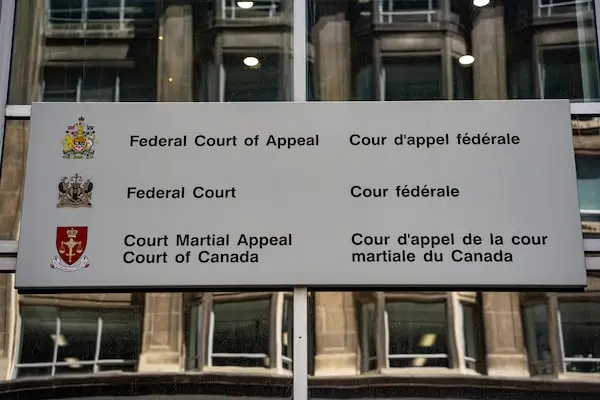

The Federal Court of Appeal issued a compliance order against accounting firm Zeifmans LLP last month, enforcing a CRA requirement to turn over a trove of client documents for an audit.Erman Gunes/iStockPhoto / Getty Images
Advisors must walk a tightrope between following the law and serving their client when they receive a requirement for information from the Canada Revenue Agency (CRA) about a client under audit.
That balancing act got a little trickier after the Federal Court of Appeal reaffirmed the CRA’s broad powers to require information from third parties, even when the request is related to unnamed people connected to a client.
“You have an obligation to follow the law, but there are ethical obligations to your client that you must also consider,” says Bhuvana Rai, a lawyer with Mors & Tribute Tax Law in Toronto.
In the Sept. 2 judgment, the appeal court issued a compliance order against accounting firm Zeifmans LLP, enforcing a CRA requirement to turn over a trove of client documents for an audit. The documents related to both named clients of Zeifmans and “unnamed persons” or entities connected to those clients.
In the process, the unanimous three-judge appeal panel overturned a lower-court judgment in favour of Zeifmans, which had faulted the CRA for failing to obtain prior judicial authorization because some of the documents concerned unnamed parties that were also under audit.
Ms. Rai says the Zeifmans case is unlikely to be the last word from the courts on the topic of requirements, thanks to the federal government’s increasingly aggressive approach to CRA audit powers, as well as the agency’s apparent eagerness to use them.
Earlier this year, the government introduced draft legislation in Bill C-31 that would expand the CRA’s audit powers significantly, following up on a 2024 budget promise to boost the CRA’s information-gathering powers in order to enhance tax audits and collection.
If enacted, the bill, which is currently with the Standing Committee on Finance after passing second reading in the House of Commons, would give the CRA new powers to impose penalties when taxpayers fail to comply with audit requests.
“We’re going to get more and more of these cases,” Ms. Rai says. “The CRA is using requirements more and the legislation is being updated because they are using them so much.”
She adds: “Advisors need to be very wary.”
The Zeifmans case dates back to 2019, when the CRA first issued a requirement seeking five years’ worth of correspondence, accounting records, bank statements, loan agreements and tax planning documents related to three of the firm’s clients as well as other unnamed “entities owned, operated, controlled or otherwise connected” to them.
The most recent ruling was the matter’s second trip to the Federal Court of Appeal. The accounting firm’s initial challenge failed in 2022, when an appeal panel rejected Zeifmans’ argument that the CRA requirement was too vague or ambiguous to be valid.
When the CRA moved for a compliance order to enforce the requirement, Zeifmans took a second kick at the can after it emerged that some of the unnamed parties in the original requirement were themselves under audit.
This time, a Federal Court judge sided with Zeifmans and declined to issue the compliance order. The judge concluded that the CRA should have sought prior judicial authorization before ever issuing the requirement, under stricter rules set out in the Income Tax Act provisions for requirements issued to verify the compliance of unnamed persons.
However, the Federal Court of Appeal reversed the lower court ruling and issued the compliance order against Zeifmans. Because the purpose of the CRA’s requirement was related to its investigation of the named clients, the need for prior judicial authorization was not triggered, the judges wrote. The “speculative” future possibility that information turned over by Zeifmans could be used in an audit of the unnamed persons did not change that conclusion.
For advisors faced with their own CRA requirements, the decision is a reminder of the breadth of the tax agency’s powers, according to Toronto tax lawyer Jeff Kirshen, who says advisors shouldn’t assume the involvement of unnamed entities necessarily triggers judicial authorization.
“What really matters is the CRA’s purpose,” says Mr. Kirshen, principal at Kirshen Tax Law. “The other important lesson is that if you do decide to challenge the requirement, then the first judicial review is likely your only chance of success. You won’t get two kicks at the can.”
Still, Mr. Kirshen warns against an overly deferential stance to CRA requirements, as handing over too much information could expose both clients and their advisors to potential liability.
“You obviously can’t ignore a request like this, but you also shouldn’t comply blindly,” he says. “Don’t automatically give them everything just because they asked for it.”
The risks are magnified when advisors are faced with a vague or broad CRA requirement in which the scope of disclosure is open to interpretation, says Ms. Rai, who recommends having a lawyer to guide them through the process.
“Get some legal advice and make sure your interpretation about the appropriate amount of disclosure is correct,” she says.

Don’t be a ‘meat proxy’ – why advisors shouldn’t send AI-produced content to clients
Using AI as a co-author is fine for advisors. Using it as a substitute for your own judgment violates professional standards

Five ways advisors should approach the first CRM3 reports
Many firms have developed toolkits to help advisors understand and communicate what’s changing

Why the fuss about reporting requirements? The ministry responds
The T1135 requirement has never been popular. Is it due for an update?

Where CFOs Draw the Line on AI Authority
Finance leaders are putting AI to work while figuring out how much authority should come with the new assignment. The post Where CFOs Draw the Line on AI Authority appeared first on The Daily Upside.

Advisors don’t control the marketing funnel anymore
Prospects have evaluated your expertise before you know they exist