Canadian snowbirds miss out on Florida’s biggest tax cuts. But there’s a silver lining

Small change approved as part of midterm voting could help keep a lid on rising home ownership costs in the Sunshine State

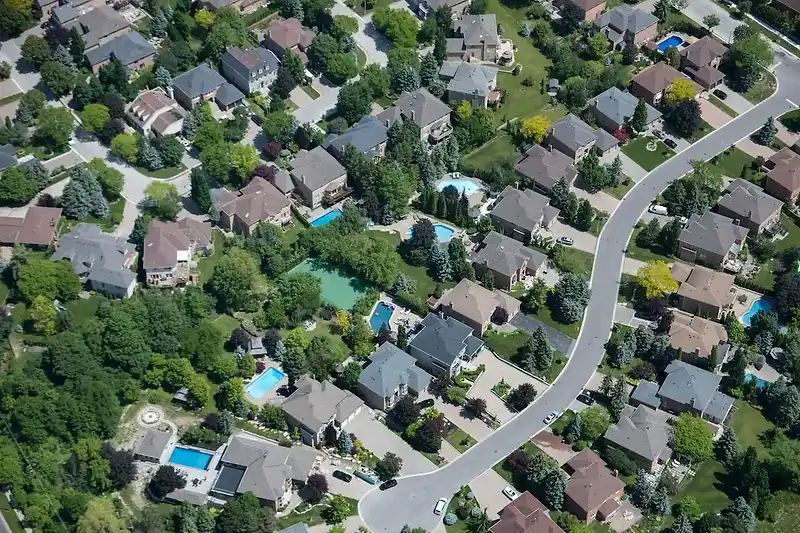
A rainbow appears at sunset in Aventura, Fla. In 2023, Canada’s consul-general in Miami estimated that Canadians contributed more than $600-million annually to the state in property taxes.Brynn Anderson/The Associated Press
Florida voters approved major property tax cuts in Tuesday’s U.S. midterm elections. While most Canadian snowbirds won’t qualify for the biggest savings, a smaller change could help them keep a lid on rising homeownership costs in the Sunshine State.
The state’s Amendment 3 passed with 62 per cent of the vote, narrowly exceeding the 60-per-cent threshold for approval.
Under the new rules, homesteaders – homeowners who use their Florida property as their primary residence – will be able to exempt up to US$150,000 of their home’s assessed value from non-school property taxes in 2027, rising to US$250,000 in 2028.
Most Canadian snowbirds who own property in the state won’t qualify for those exemptions. However, starting in 2027, the maximum annual increase in the assessed value of properties that aren’t primary residences will fall from 10 per cent to 5 per cent, which could slow future property tax increases for Canadian owners.
In 2023, Canada’s then-consul-general in Miami, Sylvia Cesaratto, estimated that Canadians owned $60-billion worth of residential real estate in Florida and contributed more than $600-million annually in property taxes.
Property taxes are calculated using a property’s assessed value and the applicable tax rates. For example, under the new rules, a vacation home assessed at US$300,000 could see its assessed value rise by up to US$15,000 annually instead of up to US$30,000 under the old cap.
What role did the Canada-U.S. trade war play in some key midterm races?
But experts say any savings may be outweighed by other expenses associated with owning a vacation home in Florida, including high insurance premiums, condo fees and the weak Canadian dollar.
“This is going to be very beneficial for anyone owning a home in Florida,” said Kris Rossignoli, a cross-border tax and financial planner at Cardinal Point Capital Management ULC in New York. But “property taxes are only one piece of the puzzle,” he said.
The 5-per-cent cap applies to assessed values, not the total tax bill. Local governments can still change tax rates, meaning homeowners could face larger increases in their actual property taxes.
“It just provides them with more certainty on the increased cost of owning a home in Florida,” Mr. Rossignoli said.
Outgoing Florida Governor Ron DeSantis, who supported the amendment, has previously said he wants tax cuts to benefit Florida residents rather than tourists.
“I want Canadian tourists and Brazilian tourists subsidizing the state and making it so Florida residents pay less taxes. I don’t want to give Canadians a tax cut,” he said at a real estate event in Orlando last year.Republican Byron Donalds won Tuesday’s election and is set to replace Mr. DeSantis in January.
While the lower cap may provide some financial relief to snowbirds and help support property values, it won’t necessarily make owning a Florida vacation home more affordable, said Kathryn Smiley, an Ontario realtor with eXp Realty and a licensed Florida broker who works with Canadian buyers.
Other costs, including insurance and condo fees, are likely to play a bigger role in Canadians’ decisions to buy or sell a property in the state, she said.
Why many Canadian snowbirds are skipping Florida this year
Average annual insurance premiums for condo owners rose by 56 per cent between early 2021 and late 2024, from about US$1,170 to more than US$1,800, according to data from the Florida Office of Insurance Regulation.
The assessed value of a property can also reset when it changes hands, meaning a Canadian buying a vacation home may face a higher property tax bill than the previous owner.
Tim Wilkin, 74, who lives in Kingston, Ont., and owns a condo in Estero, Fla., has seen his annual property-tax bill climb from about US$4,260 in 2017 to US$6,850 in 2026, an increase of nearly 61 per cent.
“Anything that keeps the cost down is appreciated,” Mr. Wilkin said of the new changes. The weak Canadian dollar has made maintaining his Florida property more expensive, he said.
The biggest annual jump came between 2022 and 2023, when his property-tax bill rose by more than 17 per cent. Mr. Wilkin said much of that increase came from charges for capital improvements in his gated community, rather than higher municipal property taxes.
While the new rules could help slow down future increases to his property’s assessed value, they wouldn’t necessarily prevent similar jumps in his overall tax bill.
Still, he has no plans to sell his condo any time soon. With the rising value of his property, coupled with the decline of the loonie, “it will ultimately turn out to be a very good investment.”