Capital Vs. Labor: Why Retail Traders Face Growing Public Resentment
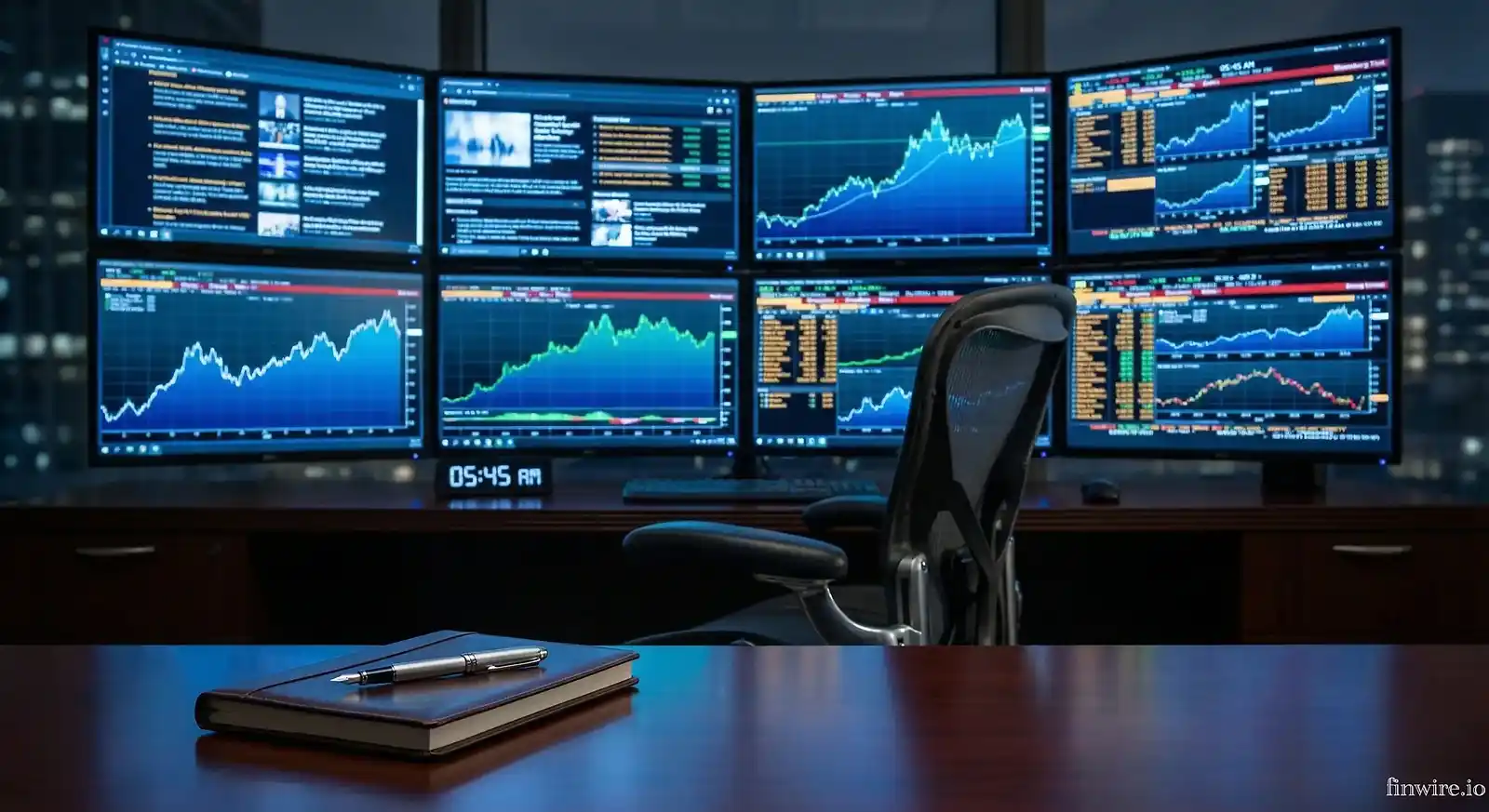
The Retail Trading Paradox: Why the Public Hates the Traders It Tries to Copy
The public perception of retail financial traders has shifted dramatically. Once viewed as plucky underdogs fighting institutional giants, modern day traders are increasingly viewed by the general public with a mix of hostility, skepticism, and outright disdain.
Yet, a fascinating paradox exists: the same public that criticizes day trading often attempts to replicate its financial rewards. Understanding this cultural friction requires examining the intersection of economic anxiety, market mechanics, and the psychology of speculation.
The Perception Problem: Wealth Extraction vs. Wealth Creation
At the core of the public’s frustration with retail trading is the concept of economic utility. To the average observer working a traditional job, economic value is linear and tangible: a doctor heals, an engineer builds, and a teacher instructs.
Trading, by contrast, is widely perceived as a zero-sum game that creates no physical product, provides no service, and builds no public infrastructure.
When a retail speculator pockets a 50% gain on an options trade over a single afternoon, the general public does not see an industrious worker being rewarded for innovation. They see a wealth extractor: Someone who successfully gambled capital to claim money that could have otherwise been deployed into productive, real-world assets.
The Illusion of "Easy Money" and Financial Envy
Public hostility is rarely driven by macroeconomic philosophy alone; it is deeply rooted in social psychology and the rise of digital financial culture. Platforms like TikTok, YouTube, and X (formerly Twitter) have birthed a hyper-visible subculture of retail traders who openly flaunt five-figure daily wins, luxury vehicles, and geographic independence. This digital footprint causes significant friction for three reasons:
The Inflation Disconnect: As everyday citizens navigate persistent inflation, rising housing costs, and stagnant wages, the image of a day trader generating a month’s worth of traditional wages from a smartphone screen feels deeply alienating.
The Survivorship Bias: Social media algorithms selectively amplify the top 1% of profitable anomalies while burying the quiet financial ruin of the remaining 99%. This creates a false narrative that trading is an "easy escape" from hard work, breeding resentment among those who grind through traditional careers.
The Loss of Sympathy:
Because retail trading is entirely voluntary, the public feels zero sympathy when traders lose their life savings on highly leveraged bets. Instead, it is viewed as a well-deserved penalty for financial hubris.
The Market Distortions: When Speculation Hurts the Consumer
While retail traders often see themselves as minor participants with no real market influence, the collective behavior of retail order flow can significantly disrupt the real economy. The public’s anger peaks when speculative retail bubbles actively distort the cost of living.
Commodity and Energy Spikes:
Retail interest in exchange-traded products linked to oil, wheat, or lumber can amplify price volatility. When speculative retail momentum drives oil prices up, the everyday consumer pays the price at the gas pump.
The Gamification of Businesses: The retail-driven "meme stock" phenomenons frequently decouple stock prices from fundamental corporate health. To the general public, watching a struggling, debt-laden retailer see its valuation multiply overnight makes the entire financial system look like an illegitimate casino, shaking broader trust in economic stability.
The Irony of the Retail Trading Paradox
The ultimate irony of this public hostility is that the line between the "general public" and the "retail trader" has never been thinner. Fractional shares, zero-commission brokerages, and gamified user interfaces have turned millions of standard savers into casual market speculators.
Many who loudly criticize Wall Street and day-trading culture simultaneously check their personal retail accounts during lunch breaks, chasing the exact same market alpha they publicly condemn. The hostility directed at financial traders is often a mirror: Reflecting society’s collective anxiety over a modern economy that increasingly rewards capital allocation over labor.