A $3 Trillion Wall Street Rout Doesn’t Hand China the AI Race


Market Analysis by Nigel Green covering: Nasdaq 100, Hang Seng. Read Nigel Green's Market Analysis
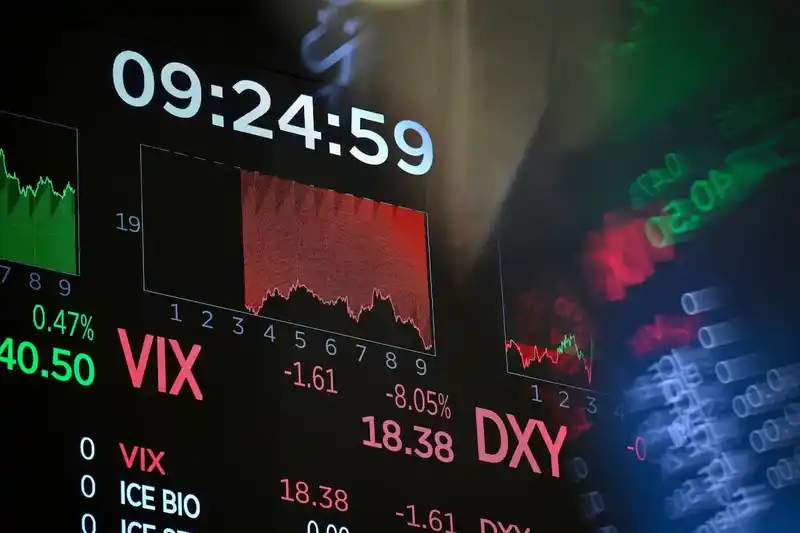
A $3 trillion wipeout on Wall Street in a single session shows how nervous money has become about artificial intelligence. Where some of that money went is more revealing.
As the Nasdaq suffered its worst day since April 2025, the main US-listed China funds edged higher. Investors dumped American chipmakers, yet they held on to their exposure to AI. A slice of the capital simply moved east, into Chinese tech stocks priced well below their US rivals and holding steady while everything around them fell.
Call it a hedge against American delay. China hasn’t overtaken the US, and America still leads this arms race by a distance.
The delay risk is real, though. This week’s midterms put new governors and senators in charge of the states with the biggest data centre plans, and plenty of them won partly by promising residents they wouldn’t get server farms on their doorstep. Voters also backed restrictions on data centres in 40 of 41 local ballot measures across 10 states.
Projects in those states will likely take longer and cost more. The chips and the software will keep improving regardless.
The vote also handed the market an excuse it was already looking for. The biggest hyperscalers are each planning to spend more than $100 billion a year, borrowing costs are climbing, and three of them have now gone free cash flow negative. Worries about debt and spending were there long before polling day. The election gave sellers their cue.
China’s appeal to global capital is easy to grasp. It can approve a data centre and the power plant to run it far faster than any American state can. The Hang Seng finished 2025 up 28%, and American investors bought $15 billion of Hong Kong and mainland stocks last year. With Chinese tech valuations where they are, more global money is likely to head there.
It comes with risks the US simply doesn’t carry. The Chinese state can rewrite the rules for a company overnight. The US government still controls access to the most advanced chips. And the leading China internet fund remains around 38% below its November peak, a reminder of how brutal the drawdowns can be. Anyone chasing this rally has to price all of it in.
Meanwhile, the political fight in America already shows signs of ending in a deal. At least one newly elected governor has told the industry he wants to keep its investment and its jobs.
Governors want the employment and the tax revenue. Most of these projects will probably go ahead in the end, after a hard argument over electricity and water costs.
The fundamentals haven’t moved. The US still makes the best chips and builds the leading models.
What has changed is the bar. This selloff marks the start of a tougher, more demanding phase in the arms race, one where markets want proof: secured power, approved sites and revenue actually coming in. The US is best placed to deliver it.
China’s rise means US firms will have to move faster, and the competition is likely to speed up the whole industry. A rival breathing down its neck has rarely done American enterprise any harm.
Related Articles
- World News
Chinese markets lose trillions as race for AI supremacy with US takes its toll
- General News
5 Forces Triggering Wall Street’s $3 Trillion Tech Crash
- Stock Markets News
Gathering AI storm clouds doom tech stocks to darkest day in a year
- World News
Nasdaq sees worst day in 18 months as investors bet on AI slowdown after Democrats’ election triumph
- Business News
Global tech stocks plunge as US midterms add to AI slowdown fears