5 Forces Triggering Wall Street’s $3 Trillion Tech Crash


Market Analysis by Nigel Green covering: Nasdaq 100, NVIDIA Corporation, Crude Oil WTI Futures, United States 10-Year. Read Nigel Green's Market Analysis
Five forces hit tech at once this week: doubts over the payoff from AI, a political shock in the US, stubbornly high interest rates, a dangerously crowded trade, and oil.
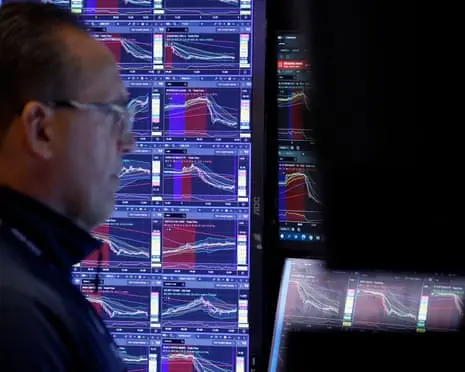
Any one of them would have caused a wobble. Together they caused a stampede, wiping $3 trillion off Wall Street, dragging the Nasdaq into a correction and handing the Nasdaq 100 its worst day since March 2020.
The selling has raced well ahead of the facts, though, and buyers are likely to step back in quickly.
Start with AI itself. The spending is enormous, borrowing is climbing, and investors want to know when the returns arrive. Asking is healthy. Dumping an entire sector over it is an overreaction, and retail investors, who powered much of the four-year rally, were among the most eager to run.
Politics comes next. Democrats won key races in Texas, Georgia and Ohio, states accounting for around 40% of planned US data centre capacity, and Texas’s governor-elect has pledged a moratorium on new buildouts. Markets read this as a threat to the AI buildout and sold first.
Look closer and the US is heading for gridlock, with a Republican White House and an emboldened Democratic opposition holding each other in check. Genuine regime change in American politics is rare, and this result falls well short of it.
Governors want jobs and tax revenue. Most of these projects will probably still get built, after a tougher negotiation over power and water.
The third force is the cost of money. The Federal Reserve raised rates in September for the first time since 2023, and the 10-year Treasury yield touched 5.36% in October, its highest since 2002. It still sits near 4.9%.
Tech valuations rest on future profits, and every move higher in yields chips away at what those profits are worth today. Rates remain high enough to make richly priced stocks jumpy.
Fourth, tech had become the most crowded trade on the planet. The Nasdaq swung into correction in March, then charged to fresh records in September and October, leaving positioning badly stretched.
When everyone owns the same stocks, it takes very little to spark a rush for the exit, and the exit narrows fast.
And fifth, oil. Expensive crude has kept inflation sticky all year and tied the Fed’s hands. Recent falls are welcome, but the market doesn’t trust them yet.
Nvidia (NASDAQ:NVDA) bore the brunt, losing almost $450 billion in market value in a single day, and the semiconductor index crashed 8.4%.
The selloff in the world’s biggest chipmaker looks overdone. Its products sit at the heart of every serious AI project, and demand for computing power keeps rising. Indiscriminate selling like this tends to throw up opportunities for patient, long-term investors.
None of this marks the end of the AI boom. Sharp shakeouts clear out leverage, reset valuations and set the stage for the next phase of growth, led by the companies with power secured, sites approved and revenue flowing.
AI remains the defining investment theme of this decade. The rout raises the bar for proof, and the strongest players will clear it.
Related Articles
- General News
A $3 Trillion Wall Street Rout Doesn’t Hand China the AI Race
- Business News
US tech stock rout: is the AI bubble bursting?
- Stock Markets News
What’s fueling Wall Street’s growing concerns about AI
- Economy News
Wall Street stocks rally after heavy AI-related selloff
- Economy News
Take Five: Tech wreck and roll