Hold Now, Hike Later? Breaking Down the October ECB Decision


The ECB left rates at 2.50% on Thursday, but Christine Lagarde’s press conference gave new traders a live lesson in reading a “hawkish hold.”
The European Central Bank (ECB) kept its deposit rate at 2.50% during its October decision, then used the press conference to keep an ECB December rate hike firmly on the table.
ECB President Christine Lagarde said policymakers debated a hike before agreeing to wait. Traders call that a hawkish hold. Rates stay put, but the message leans higher.
What Did the ECB Actually Announce?
The ECB’s Governing Council left all three key interest rates unchanged, according to the ECB’s October 29 press release:
- Deposit facility rate: 2.50%
- Main refinancing operations rate: 2.65%
- Marginal lending facility rate: 2.90%
Markets expected the hold. The ECB hiked twice this year, most recently in September, and markets positioned for a pause as the base case.
The real news came in the Q&A. Lagarde told reporters the Governing Council debated a hike before voting unanimously to hold. A hawkish hold (a pause paired with signals that rates could rise later) asks you to read the tone as closely as the number.
Why Is the ECB Leaning Toward a December Rate Hike?
Energy sits at the center. The ECB statement says energy prices kept rising after the September meeting, adding upside risks to inflation and downside risks to growth. Euro Area headline inflation hit 3.8% in September, its highest reading since September 2023.
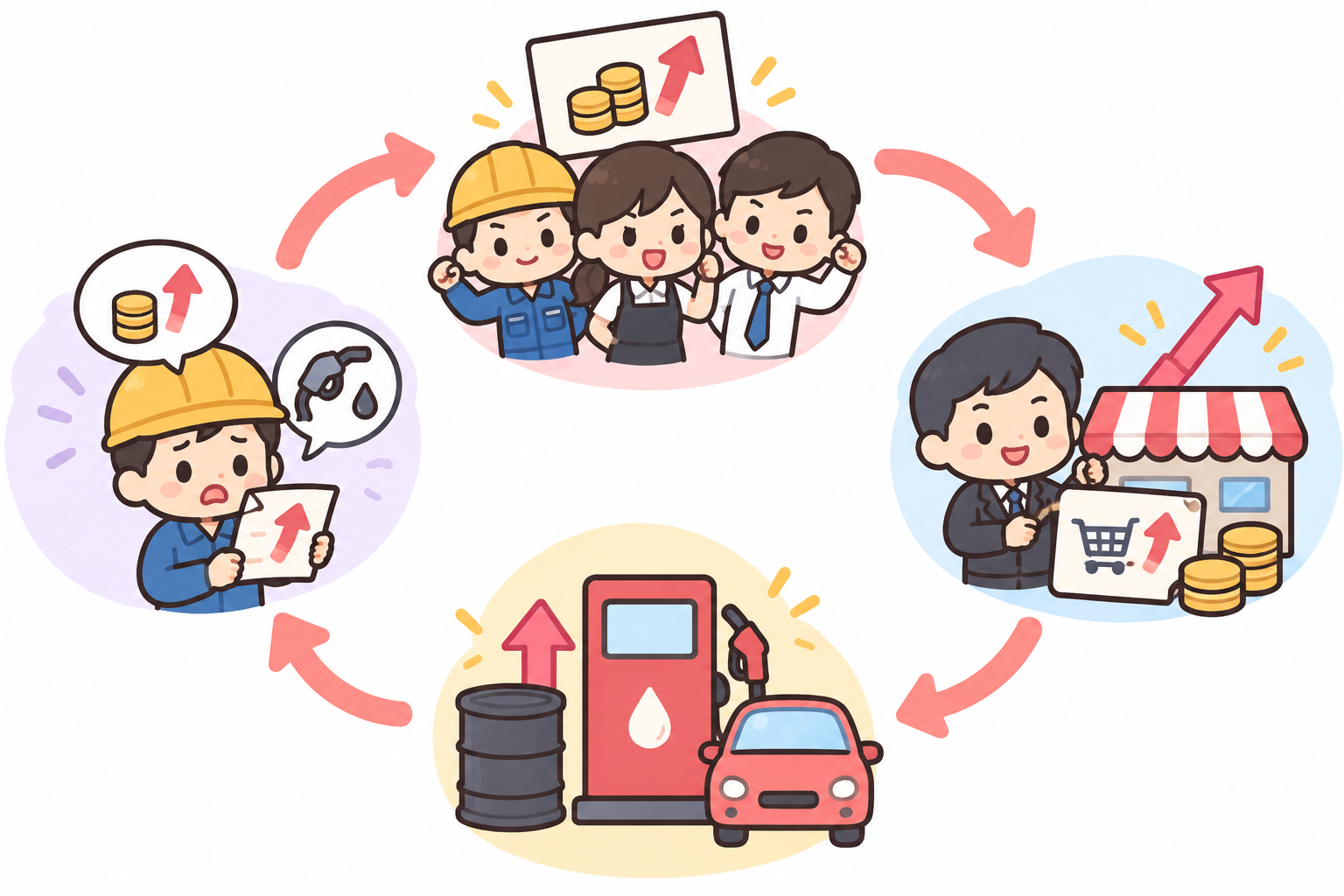 Central banks hike to stop a price spike from spreading. Economists call that spread second-round effects: workers demand higher pay to cover pricier fuel, companies lift prices to cover higher wages, and the cycle feeds itself.
For now, Lagarde said the ECB sees no second-round effects beyond those already in its September projections. The ECB statement adds that wages show no material response yet.
So why wait? Bond markets did some of the work. France’s fiscal turmoil pushed government bond yields higher, and the ECB statement notes that financing conditions have tightened since its last meeting. Higher yields raise borrowing costs for governments, companies and households. That tends to slow spending and cool inflation.
Picture a thermostat. If someone already turned down the heat, you wait a bit before touching the dial yourself.Lagarde framed the next seven weeks as the deciding stretch. “The interim meeting period will be information-rich,” she said. If the data confirm today’s pressures, she added, the direction is clear.
In short, there are three swing factors:
- The Middle East war: the longer oil stays high, the higher the odds of more hikes.
- Energy pass-through: broader price spillover raises hike odds; continued containment lowers them.
- France: a fiscal fix could calm bond markets and free the ECB to hike. Without one, yields keep doing the tightening.
Lagarde, who dismissed stagflation as a flashy word back in April, still didn’t say it. The ECB’s risk assessment describes it anyway.
The Bottom Line
- A rate hold can carry a hawkish message. Read the statement first, then the press conference.
- The ECB cares more about second-round effects in wages and core prices than about the energy spike itself.
- Rising bond yields can tighten conditions without a rate hike, which ties France’s fiscal story to ECB policy.
- EUR/USD reflects two central banks. Thursday’s euro bounce owed a lot to U.S. data.
- An ECB December rate hike looks likely, not locked in. ING says a sharp growth slowdown could still derail it.
What Should Traders Watch Before the December ECB Meeting?
- Euro Area Q3 GDP preliminary flash (Friday, October 30, 11:00 AM GMT): Consensus +0.2% q/q after 0.6% in Q2. A sharp growth slowdown could keep the ECB from hiking, so a weak print may cool December bets. A solid number gives hawks more room.
- Euro Area October flash inflation (Wednesday, November 4): After September’s 3.8%, look past the headline to core inflation (prices minus energy and food), since a rise there would hint at the second-round effects the ECB fears.
- Q3 GDP and employment flash estimate (Friday, November 13): Eurostat revises its earlier GDP figure with more complete data, and the jobs numbers show whether firms are still hiring despite higher energy costs.
- Ongoing: French government bond yields and oil prices: Rising French yields tighten financing conditions on their own and could make an ECB hike less necessary. Higher oil pushes the other way, raising the odds of more hikes.
Related Articles
- Forex News
Fed Holds Rates: Why USD Slipped on a Hawkish Pause
- Economy News
Bank of Japan’s hawkish pause to leave scope for December hike
- Forex News
U.S. yields hover near 3-week lows as ahead of Fed decision
- Crypto News
Fed Holds Rates at 3.75 as Bitcoin Gives Back Gain
- Crypto News
Bitcoin Faces Pressure After Fed’s Hawkish Rate Hold