Fed Holds Rates: Why USD Slipped on a Hawkish Pause


Learn how a “hawkish hold” works, and why the U.S. dollar slipped even as two Fed officials voted for an immediate rate hike.
When the Federal Reserve held rates at 3.75% to 4.00% this week, the U.S. dollar slipped against its counterparts. Traders appear to have wanted a firmer signal about December than Fed Chair Kevin Warsh gave them, even though two officials voted to hike on the spot.
You can call it a hawkish hold (a pause from a central bank that still leans toward raising rates). The Fed lifted its foot off the brake for one meeting, but the foot is hovering an inch above the pedal.
What Did the Fed Decide at the October 2026 FOMC Meeting?
The Federal Open Market Committee (FOMC), the group of Fed officials who vote on U.S. interest rates, voted 10-2 to leave the federal funds rate unchanged. Banks charge each other this rate for overnight loans, and it ripples out into mortgages, car loans, and currency values. The rate banks pay in practice sits near 3.9%, inside the official range.
The pause follows September’s quarter-point hike, the Fed’s first increase since 2023.
Two officials voted no. Governor Lisa Cook and Cleveland Fed President Beth Hammack both wanted a 0.25 percentage point hike at this meeting. Hammack dissented for tighter policy at earlier meetings in 2026. Cook had never dissented since joining the Fed Board in 2022, and her vote caught many Fed watchers off guard.
The Fed’s statement kept a firm tone. Officials wrote that “inflation remains elevated” and upgraded their description of U.S. growth to “strong” from “solid.” Analysts noted that the statement now aims for a “timely” return to 2% inflation, where September’s version said “timelier.” Some read that as a hint of less urgency.
Warsh also changed the calendar. In 2027, one of the Fed’s eight meetings will cover long-term strategy with no rate vote. In 2028, two meetings will, leaving six scheduled rate decisions.
Why Did the Fed Hold Rates Instead of Hiking Again?
Rate hikes take months to work through the economy. Think of a shower with slow pipes. You turn up the hot water, nothing changes for a few seconds, and if you crank it again you get scalded. Most Fed officials appear to have chosen to wait for September’s hike to show up in the data.
Warsh argued that the wait makes sense. He said officials broadly agree their policy has started to work, pointing to tighter credit for some businesses and households.
Markets have also tightened conditions for the Fed. The 10-year Treasury yield closed above 5% on October 28, and the average 30-year U.S. mortgage rate hit a three-year high of 7.4% earlier in October.
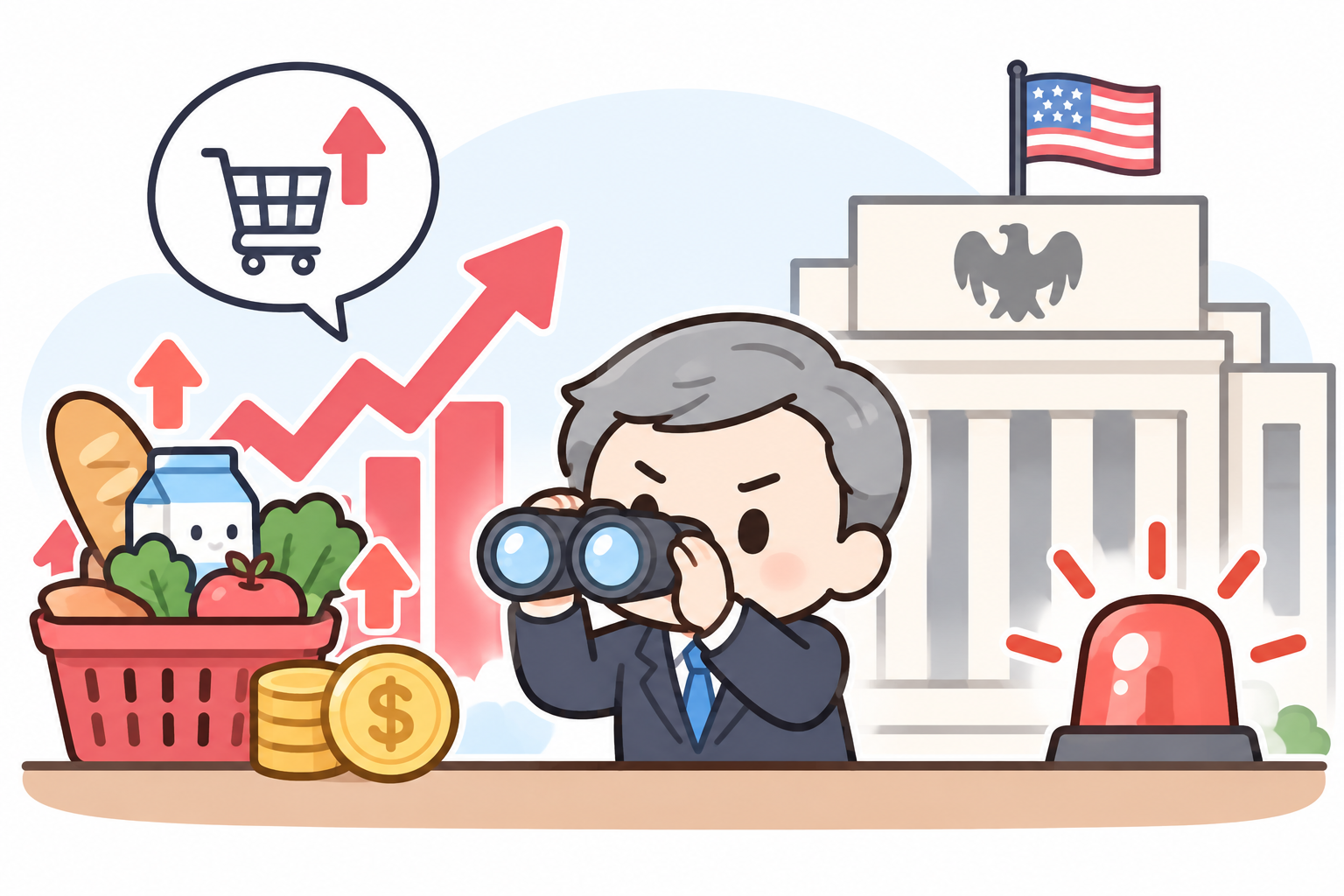 The inflation picture remains uncomfortable. U.S. consumer prices rose 3.7% in the year to September, far above the Fed’s 2% target. Energy is a big driver, with Brent crude trading above $110 a barrel this week. Warsh said his job is to stop price jumps in sectors like energy from spreading across the wider economy.
The economy also looks sturdy. Warsh said growth in the July-September quarter likely topped 3%, up from 2.2% in the prior quarter, and U.S. unemployment sits at 4.2%. Many economists see that strength as evidence the economy can absorb higher rates. Cook and Hammack seem to share that view.
Politics hovered in the background. The decision landed six days before the November 3 U.S. midterm elections, where cost of living dominates the debate, though Warsh told reporters politics played no role in the vote.
How Did the Dollar and Treasury Yields React?
The dollar slipped against the euro during Warsh’s press conference, as his remarks lacked the hawkish punch traders needed to keep buying the greenback. But while the broad dollar gauge trimmed earlier gains, it still closed the day higher. First-day moves after a Fed meeting tend to be noisy, so treat them with caution.
The bond market sent a clearer signal. The yield curve steepened, as the 2-year Treasury yield, which tracks expected Fed moves, fell to about 4.71%. The 10-year yield held near 5.03%.For forex traders, the 2-year yield matters a lot. Currencies tend to follow interest rate differentials, the gap between two countries’ rates. A dip in U.S. short-term yields means holding dollars pays a little less relative to euros or yen. That shift may have nudged some traders out of the dollar on Wednesday.
CME FedWatch data show traders pricing nearly 85% odds of a hike at the December 8-9 meeting, but that pricing cuts both ways. Hot inflation data could firm up hike bets and support EUR/USD sellers. Soft data could expose the dollar, because markets have priced a hike Warsh never promised.
The Bottom Line: Key Takeaways for Traders
- A hold can lean hawkish. The Fed holds rates at 3.75%-4.00% for now, but two dissents and “inflation remains elevated” language keep a December hike on the table.
- Dissents carry information. A 10-2 vote shows how many officials want to move, and in which direction.
- Watch the 2-year Treasury yield. It reacts to Fed expectations faster than most assets and often leads the dollar.
- Mind the gap between pricing and promises. Markets price about 85% odds of a December hike that Warsh declined to commit to. That gap creates two-way risk for USD pairs.
What Should Traders Watch Next?
- Thu, Oct 29, 8:30 a.m. ET (12:30 GMT): U.S. Q3 GDP and September PCE inflation (the Fed’s preferred inflation gauge, because one price index was never going to be enough). Forecasts call for 3.6% headline and 3.1% core.
Related Articles
- Economy News
Dollar steady after Fed hold leaves rate path murky
- Crypto News
Fed Holds Rates at 3.75 as Bitcoin Gives Back Gain
- Crypto News
Bitcoin Faces Pressure After Fed’s Hawkish Rate Hold
- Economy News
Fed leaves rates unchanged as it awaits ’accumulation of more information’
- Forex News
Sterling today: Pound slips as dollar holds firm ahead of Fed decision