U.S.-Iran strikes; Oracle reports; ECB decision - what’s moving markets
Futures linked to the main U.S. indices tick higher, pointing to possible muted recovery following a sharp slide on Wall Street. The U.S. and Iran exchange a fresh barrage of strikes, although media reports say the two held talks overnight. Oil prices dip, retreating from an initial jump in the wake of the second round of attacks this week. Oracle shares shed more than 9% after the software name outlines plans to raise funding for its artificial intelligence ambitions, while the European Central Bank is expected to hike interest rates to corral Iran-linked inflationary pressures.
1. Futures edge higher
U.S. stock futures pointed higher on Thursday, suggesting a rebound on Wall Street after shares slumped in the prior session on accelerating inflation data and renewed fighting in the Middle East.
By 03:13 ET (07:13 GMT), the Dow futures contract had risen by 215 points, or 0.4%, S&P 500 futures had gained 38 points, or 0.5%, and Nasdaq 100 futures rose by 230 points, or 0.8%.
The Dow Jones Industrial Average tumbled to its worst day since October, shedding 1.9%. The tech-heavy Nasdaq Composite dropped 2% and the benchmark S&P 500 retreated by 1.6% to its lowest close in five weeks.
Driving the jump was President Donald Trump’s threat that Iran would "pay the price!!!" for taking too long in peace negotiations with Washington, as well as a fresh exchange of strikes between the two countries and ongoing skirmishes in Lebanon between Israel and Tehran-backed Hezbollah militants.
At the same time, a measure of U.S. consumer price inflation surged to its hottest pace in years, underlining the impact of a spike in energy prices because of the Iran war. A separate gauge of producer price growth is due out on Thursday.
"With signs of a near-term resolution fading, investors grew more concerned about the stagflationary scenarios again, with bonds and equities selling off on both sides of the Atlantic," analysts at Deutsche Bank said.
Concerns also continued to swirl around the viability of the artificial intelligence boom. Shares of Super Micro Computer plunged after the server maker became the latest AI-linked company to come to market asking for billions of dollars in new equity, a trend that analysts have fretted could signal that firms may be struggling to pay for the massive build-out of infrastructure needed to power the nascent technology.
2. U.S., Iran exchange fresh strikes
The U.S. and Iran traded air strikes for a second straight day on Thursday, with President Donald Trump warning of more action against Tehran if it did not immediately accept a peace deal.
The U.S. struck multiple military targets in Iran through late-Wednesday and early-Thursday, Central Command (CENTCOM) said in a statement, describing the attacks as “self-defense” after the downing of a U.S. helicopter in the Strait of Hormuz.
CENTCOM said it had concluded its latest round of strikes against Iran.
Iran retaliated by launching strikes against several U.S. military bases and allies in the Gulf, with explosions heard across Kuwait, Bahrain, and Jordan, although there was no immediate confirmation of these attacks, according to media reports.
3. Oil prices retreat
Oil prices erased earlier gains, sliding under the flatline, as investors weighed an unverified CNN report that U.S.-Iran peace talks remained on track despite the fighting. Citing a diplomatic source, CNN said talks had been held overnight.
As of 03:30 ET, Brent crude futures expiring in August, the global benchmark, had fallen 0.6% to $92.59 per barrel, while West Texas Intermediate (WTI) crude futures had declined by 0.5% to $89.58 per barrel.
Both contracts had advanced more than 2% in early Asian trading before paring some gains. Tehran announcement that it had halted all vessel traffic through the Strait of Hormuz -- a claim that the U.S. military has denied.
Oil prices settled nearly 2% higher in the previous session.
4. Oracle earnings
Oracle delivered a quarterly top- and bottom-line beat and raised its annual adjusted profit per share guidance. However, shares fell in extended trading after the company said it expects to raise $40 billion in financing in fiscal full-year 2027.
"[T]his is an OK release with continued robust growth in backlog, and the cash performance wasn’t as bad as feared (thanks to lower capex). But the company is still facing a period of heavy cash outflows as it builds the infrastructure needed to fulfill its backlog, and this will require more debt and equity," analysts at Vital Knowledge said in a note.
The Austin, Texas-based firm in recent years has turned its focus to cloud computing infrastructure, while its core offerings such as database software and enterprise applications for finance continue to bring in revenue. However, worries have abounded over the impact that artificial intelligence can have on ORCL’s core business.
Oracle has attempted to quell investor concerns by becoming a major player in the development of data centers to support AI workloads. But the amount of debt the company has been raising to fund its data center ambitions has been heavily scrutinized.
5. ECB decision ahead
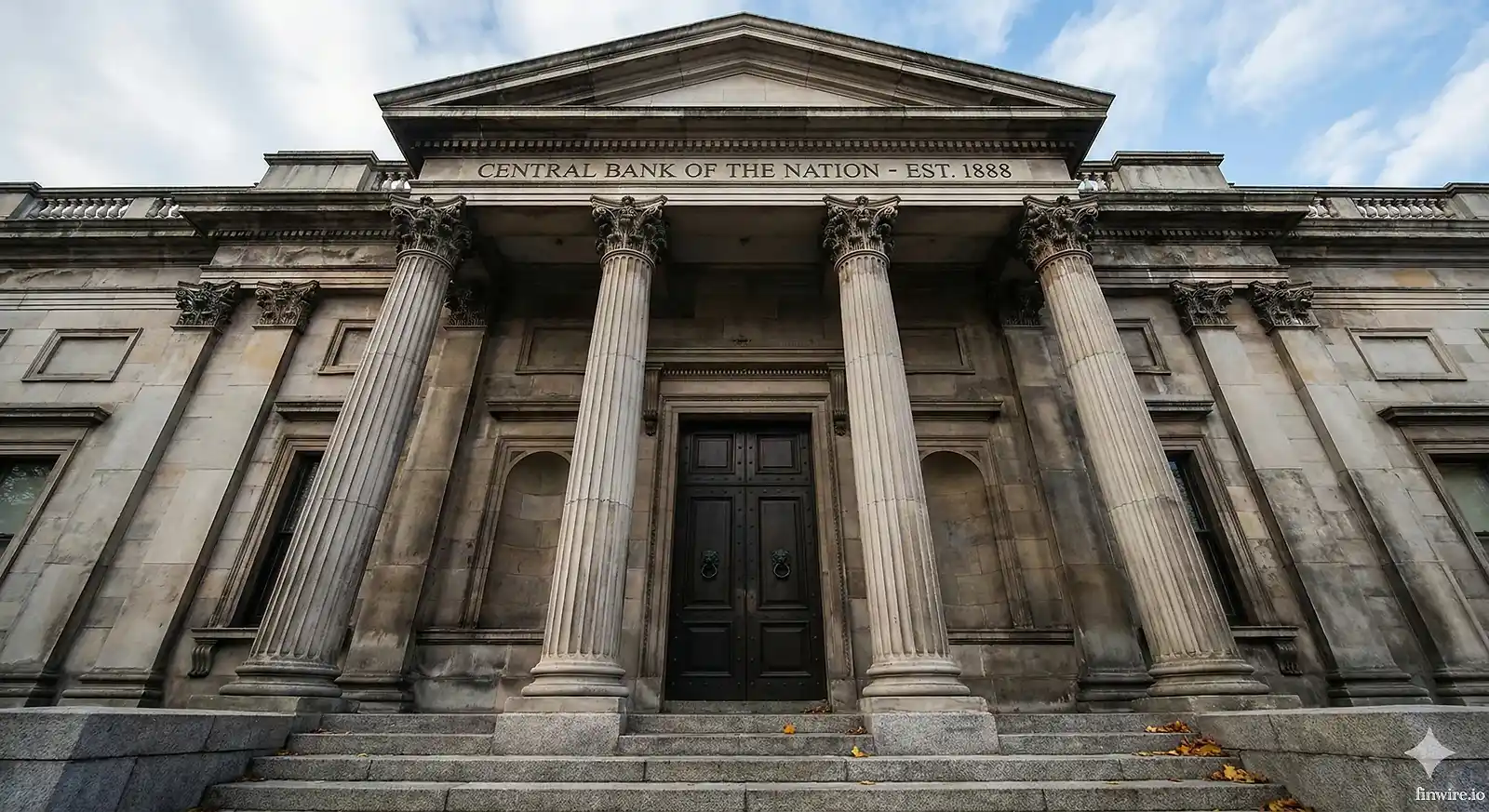
Elsewhere, the European Central Bank is anticipated to raise interest rates at the end of its latest two-day meeting later today, as policymakers attempt to keep a lid on an energy-fueled inflation wave tied to the Iran war.
The rate of price gains in the Eurozone currency area is now floating above 3%, topping the ECB’s 2% target, bolstering the case for the central bank’s first rate hike in almost three years. The increase would bring the ECB’s key deposit rate up to 2.25% from 2.0%.
Yet, with data pointing to weak growth in the 21-member Eurozone, ECB officials may be mindful of the messaging behind the decision.
"On the activity side, we have already seen a weak batch of German factory orders data for April today, and the risk is that eurozone manufacturing activity data now starts to deteriorate after hoarding/inventory building earlier this year around the uncertainty of the Gulf conflict," analysts at ING said in a note.