UK budget does no harm to gilts but defers hard choices, analysts say

Britain’s first budget under finance minister John Healey did no harm to the bond market, analysts said, but they warned it only postponed the hard choices on spending, defense and tax that could leave a hole of up to £40 billion to fill next year.
Healey’s cushion against his main borrowing rule shrank to £14.5 billion from £23.6 billion in the spring, mainly because higher interest rates raised debt costs, Deutsche Bank and Capital Economics said.
Ten-year gilt yields fell 2 basis points, HSBC said, as the budget delivered the reduced long-dated bond supply that had been expected.
Jefferies said the Debt Management Office cut long-dated sales by £6.9 billion to £15.5 billion while raising total 2026/27 gilt sales by £4.4 billion to £250.6 billion.
HSBC kept a neutral stance on longer-dated gilts, saying the recent gentle rally may need a fresh push to last.
Capital Economics chief UK economist Paul Dales called it "better times now, harder times ahead", saying projections still include "fiscal fictions" such as fuel duty rises.
Deutsche Bank chief UK economist Sanjay Raja said Healey met his "do no harm" aim and bought himself more time but faces a near £25-40 billion hole. Its note puts a Spending Review at £10-15 billion, higher defense spending at £35 billion and social care at up to £17 billion.
ING economist James Smith said the budget left unanswered how departments will absorb higher inflation and how defense will be funded, with the budget watchdog’s numbers implying real-terms cuts of 2.6% a year for unprotected departments that he said "almost certainly won’t happen.”
ING said a 2027 election is getting more likely and the Bank of England is on track to raise rates next week. He said the government may at some point have to raise major taxes, cut welfare or loosen fiscal rules.
Jefferies’ economist said the budget buys time without resolving the fiscal challenge.
J.P. Morgan said near-term support was a touch higher than expected, with policy adding £8 billion to borrowing this fiscal year and £4 billion in 2027/28.
Its housebuilders analyst called the first-time buyer scheme details reassuring, citing lower-than-expected developer contributions.
Jefferies called the 15-month rise in the bank surcharge to 6% from 3% "a big sigh of relief" and forecast 2028 yields of 14.5% for Barclays, 13% for Lloyds and 12% for NatWest.

Healey’s Budget needs to sustain the stronger economy through gathering clouds
The economic is positive now but come January things could become trickier for the Labour government

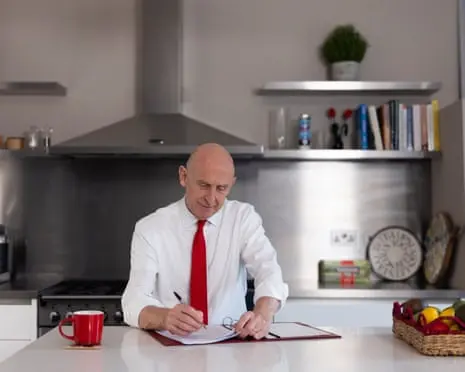
Chancellor targets cost of living crisis in budget for a ‘difficult moment’
Healey hopes to give ‘hope for the future’ but only modest policies are expected with important decisions deferred John Healey has acknowledged the UK faces a “difficult moment” but insisted he would put the country on a better path as he delivers his first budget on Wednesday against a turbulent global economic backdrop. But despite the international uncertainty, the chancellor will signal...

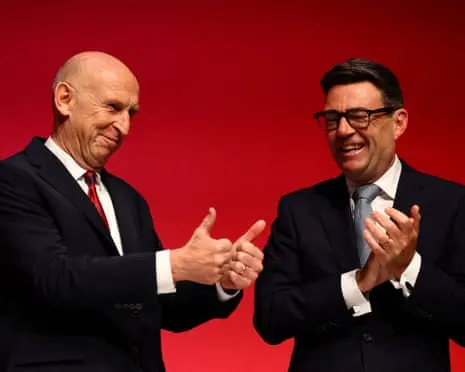
Can John Healey make a dent in the cost of living crisis in his first budget?
The chancellor has promised ‘breathing space’ for households and small businesses but global events cannot be ignored You be the chancellor: play our budget game to see if you can balance the books Every Sunday night, the chancellor, John Healey, slips next door to Andy Burnham’s Downing Street flat where they order a curry and chew over politics on the prime minister’s sofa. An Indian takeaway...