EU proposes digital tax to fund budget amid member state divisions

The European Union presented a plan on Saturday to tax major digital companies as part of efforts to fund its next budget and resolve disagreements among member states over long-term financing.
European Council President Antonio Costa introduced a spending proposal that reduces by €204 billion an initial plan from the European Commission that several countries criticized as excessive.
Costa told a press conference in Brussels that he believes the proposal can move member states closer to a final agreement.
EU countries have been divided over the size of the next budget. Germany has led calls for substantial reductions after the commission proposed a two-trillion-euro budget for the 2028-2034 period last year.
Berlin also opposed a revised proposal published last month that suggested cutting the bloc’s future seven-year budget by €140 billion.
Costa, representing the EU’s 27 states, aims to reach an agreement by year-end that balances member state contributions with new revenue sources for the bloc.
The digital tax would apply to companies with annual turnover for digital activities of at least €50 million in the EU and global turnover exceeding €750 million.
These companies would pay an annual contribution equal to 3 percent of net turnover from online advertising, digital intermediation services and user-generated data, according to documents shared by the council.
The proposal also includes a levy on electronic waste and higher tobacco taxes.
The document will be discussed when EU leaders meet in Brussels next week. Costa is pushing for a December deal due to concerns that delays would extend talks into 2027, an election year with potential eurosceptic victories in France and other countries.
Germany is part of a group with five other EU members, including Sweden, that expressed doubt about new taxes this week. Swedish Europe Minister Jessica Rosencrantz said on Thursday that the focus should be on reducing expenditure and national contributions.
France, the second-largest EU economy and a net budget contributor, maintains the bloc needs adequate resources to address rising challenges. Meanwhile, 17 countries from southern, central and eastern Europe formed the "Friends of Cohesion" group, advocating for increased funding for agriculture and regional development.

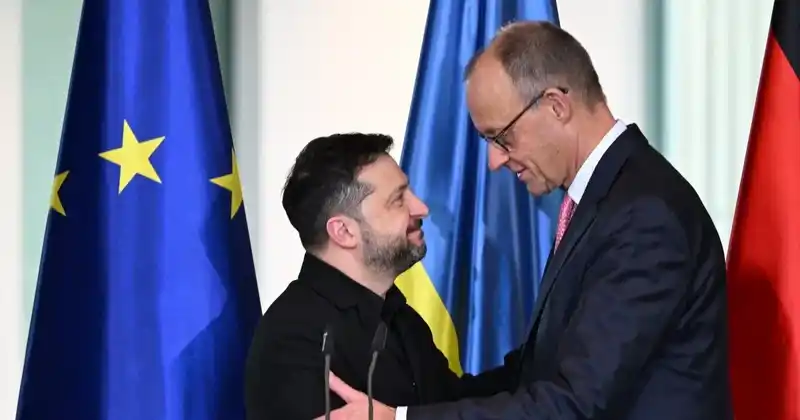
Far from Trump-Putin meeting, Europe to count cost of Ukraine’s defence
European leaders set to meet in Berlin as Kyiv faces a 25 billion-euro ($27.4bn) financing gap next year.

ECB says digital euro will give Europe control over its payment systems
The European Central Bank has renewed its push for a digital euro as a way to reduce Europe’s dependence on foreign payment providers, with a pilot scheduled for 2027 and a possible rollout in 2029. In an October 24 interview…
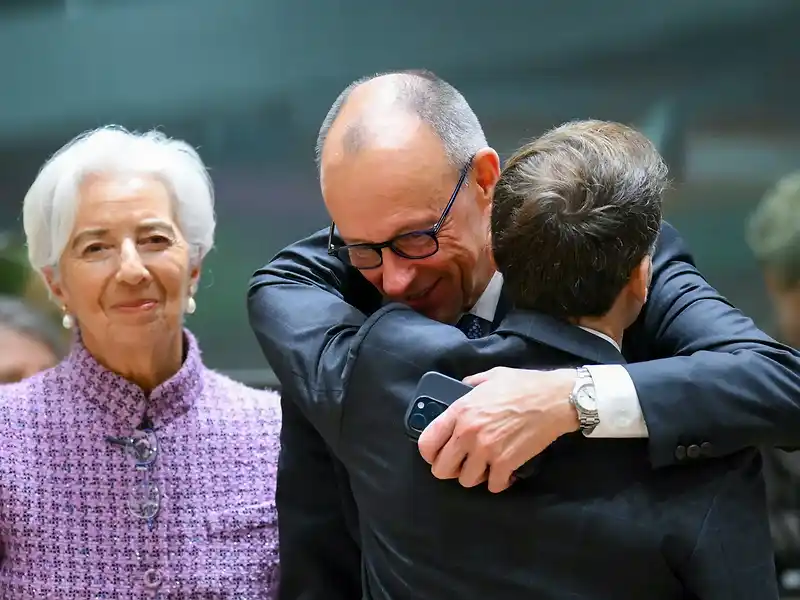
EU leaders struggle to agree on long-term budget, $49bn Ukraine loan
The bloc is holding an extraordinary summit in Brussels to discuss its budget proposal for 2028 to 2034.