ECB looking at indicators to see if December hike needed, Lagarde says


ECB looking at indicators to see if December hike needed, Lagarde says
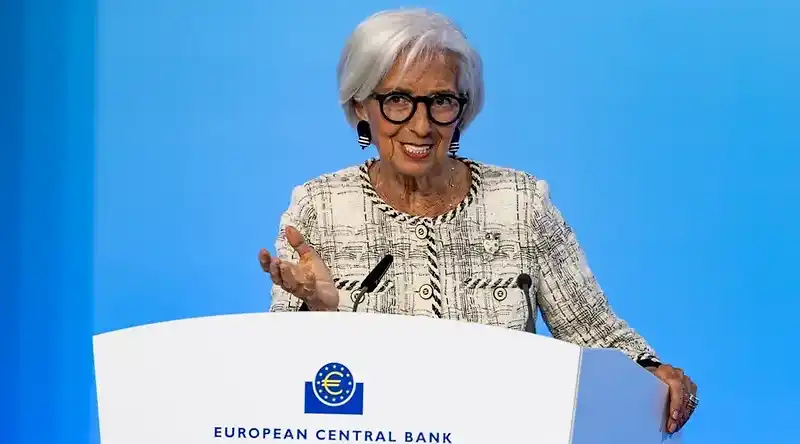
MILAN, Nov 5 (Reuters) - The European Central Bank is looking at indicators to see if an interest rate hike could be warranted next month, after it held rates steady in November, the bank’s outgoing President Christine Lagarde said on Thursday.
The ECB last week left its key deposit rate at 2.5%, but a long list of policymakers, including the influential heads of the German and Italian central banks, have already signalled another move in December may be likely.
"We will have many indicators between now and December that will really help us determine whether a hike is necessary," Lagarde said at a financial literacy conference in Milan organised by Italy’s Osservatorio for independent thinking.
Lagarde, who has said she will step down on February 7, 2027, months ahead of the formal end of her mandate, told the students that the current situation was "very hard," with energy costs that are "bringing growth down and prices up."
On the other hand, she said the development of artificial intelligence was fuelling demand for investments and helping to make the euro zone economy more resilient.
"To disentangle the supply-driven and the demand-driven shock is very difficult, and it requires subtlety so that you do not apply the (interest rate) tool like a hammer," she said.
"But equally, you have to apply the tools because you don’t want to let inflation expectations run away, and you don’t want to let inflation penetrate throughout the economy and produce second-round effects."
Related Articles
- Economy News
ECB’s Lagarde says inflation to stay high, sees little reason to alter rate course
- Forex News
Lagarde’s ECB Era, From Pandemic to 4% Rates, Ends Nine Months Early
- Forex News
Hold Now, Hike Later? Breaking Down the October ECB Decision
- Economy News
Europe’s central bank chief, Christine Lagarde, steps down for ‘freedom of speech’
- Economy News
Ready for a French test?: Five questions for the ECB