ECB contender de Cos warns of inflation risks as Iran war keeps energy prices high

Investing.com -- Pablo Hernández de Cos, a contender to lead the European Central Bank, warned that prolonged energy price pressures from the Iran war could threaten inflation control, urging policymakers to remain alert to signs of broader price increases.
The former Spanish central bank governor, who now heads the Bank for International Settlements, said higher energy costs have yet to trigger widespread increases in wages and other prices. But expectations that the conflict would end quickly and ease energy prices have not been fulfilled.
His comments come as euro-area inflation runs at roughly twice the ECB’s 2% target, raising questions about how much further borrowing costs may need to increase to restore price stability.
De Cos said any interest-rate increases should respond to evidence of inflation risks in incoming economic data rather than assumptions about how energy markets might develop.
The warning also comes amid scrutiny of government finances across Europe. De Cos expressed concern about countries maintaining large budget deficits despite historically high public debt, particularly as higher interest rates make debt servicing more expensive.
France has become a focus of investor concern over fiscal strains, adding another challenge for European officials weighing the economic consequences of restrictive monetary policy.
De Cos is one of two candidates to succeed Christine Lagarde as ECB president, alongside former Dutch central bank chief Klaas Knot.
Euro-area finance ministers are scheduled to assess the candidates on Monday, although European leaders will make the final appointment. Their upcoming meetings include an informal summit on November 13 and a special gathering on November 26 and 27.
De Cos did not directly address his candidacy in the interview published Saturday.
The leadership decision comes as policymakers face persistent energy-driven inflation pressures and heavily indebted governments confront potentially higher financing costs. The next ECB president will inherit those challenges as the bank assesses whether inflation risks warrant further policy tightening.


Markets soar after Democratic win, betting divided Washington means fewer policy shocks
Dow jumps more than 1,500 points; TSX posts biggest gain in seven months
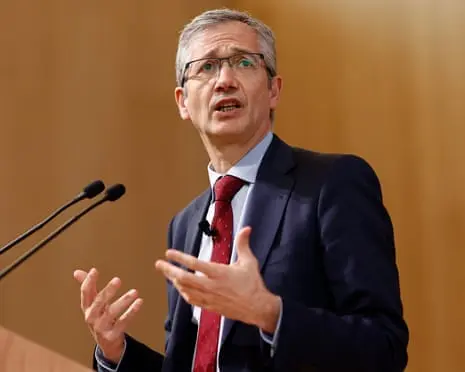
Spain’s Pablo Hernández de Cos wins race to be next ECB president
Former Bank of Spain governor chosen to succeed Christine Lagarde after winning support of EU’s biggest countries Spain’s Pablo Hernández de Cos has been chosen as the next president of the European Central Bank, to succeed Christine Lagarde, after winning support from the EU’s biggest countries. The economist and monetary policymaker will become the first Spaniard to lead the ECB, defeating his...