Coinbase Halts BLAST Trading: Withdraw by October 26
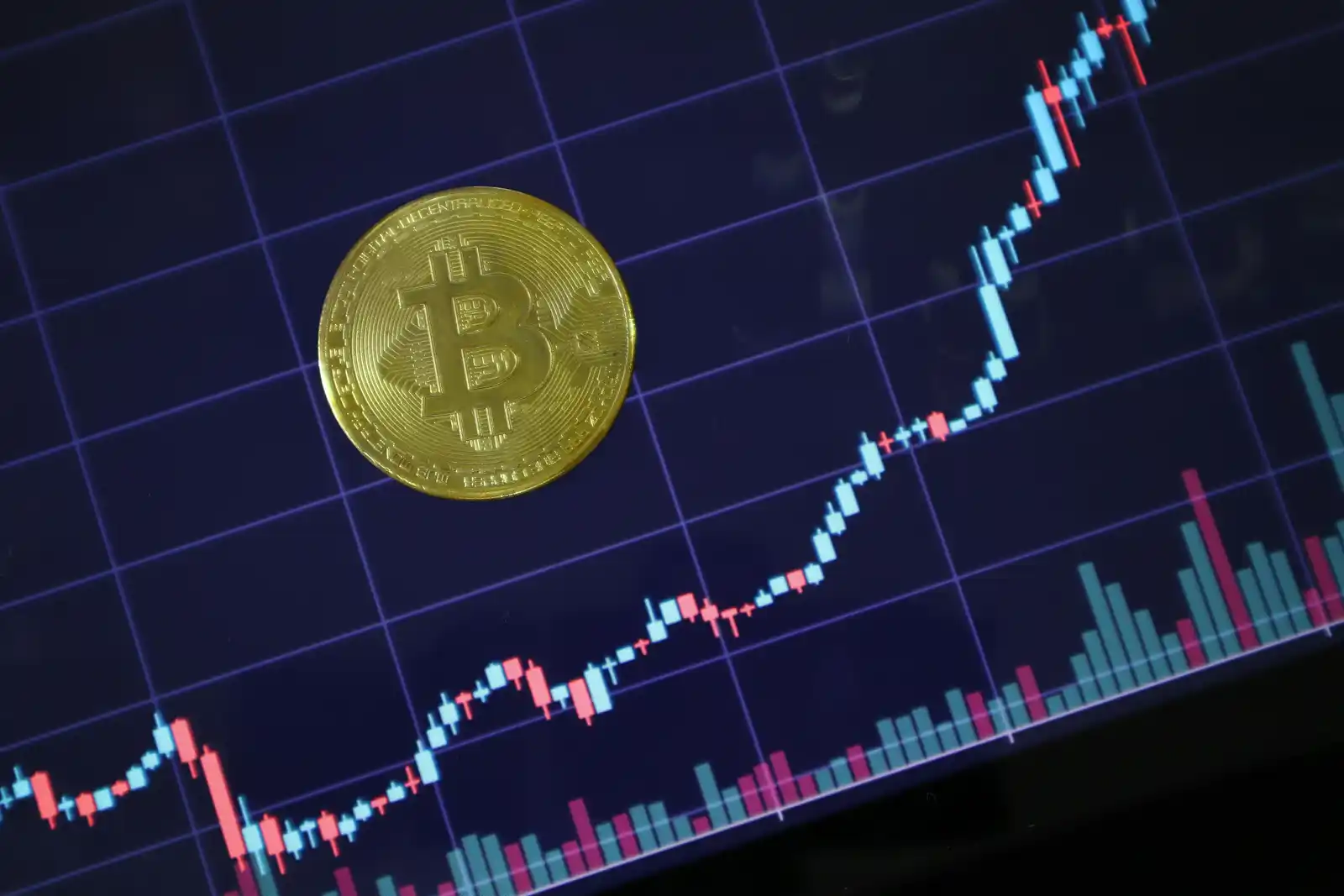
Coinbase has halted trading for BLAST and is directing affected users to withdraw their holdings before October 26, a move that gives token holders a narrow window to act before access to their positions through the exchange becomes further restricted. The announcement underscores a pattern of exchange-side asset reviews at major centralized platforms, where trading suspensions precede formal delisting or service termination, leaving holders with limited time to reposition.

The trading halt applies to BLAST on Coinbase, meaning users can no longer buy or sell the token through the platform. Critically, the exchange has separated the trading suspension from the withdrawal function: BLAST balances remain accessible for withdrawal as of this writing, but the deadline attached to that access, October 26, creates an actionable urgency for anyone still holding the token on the platform. For related coverage, see Tokenized Coinbase Shares in Base DeFi Top $260M.
The distinction between a trading halt and a full withdrawal restriction matters for affected users. A trading halt removes the ability to execute buy or sell orders on the Coinbase order book, but it does not automatically freeze balances. Users retain the ability to move their BLAST to an external wallet or a supported destination during the withdrawal window. What happens after the October 26 deadline, including whether Coinbase will impose additional restrictions on BLAST balances, has not been confirmed in the available announcement details. For related coverage, see Blockchain.com Launches Crypto Options Trading for Seven Assets.
What Coinbase Has Confirmed About the BLAST Trading Halt
The confirmed core of this update is twofold: trading for BLAST has been halted on Coinbase, and users have been urged to withdraw their BLAST before October 26. The announcement does not specify a timezone or exact cutoff time for the deadline, which means users should treat the full calendar day of October 25 as the practical safety margin, submitting withdrawals well before the end of the October 26 date to account for network confirmation times and any platform processing delays.
Coinbase has not publicly confirmed, in the available announcement details, the specific reason behind the trading halt. Exchange-side trading suspensions on major platforms typically result from a combination of factors including regulatory review, asset policy updates, or the exchange’s ongoing asset framework evaluation, but none of those causes have been formally attributed to this particular BLAST halt. Users should consult their Coinbase account notifications directly for any platform-specific communications that may contain additional context not available in public-facing announcements.
Coinbase is among the largest regulated cryptocurrency exchanges operating in the United States, and its asset listing and delisting decisions carry significant weight for token liquidity and market accessibility. The exchange has in the past engaged in collaborative enforcement efforts, including joint anti-fraud operations with Binance targeting illicit fund flows, reflecting a platform posture that aligns exchange operations with regulatory and compliance frameworks.
October 26 Withdrawal Deadline: What BLAST Holders Must Do Now
The October 26 deadline is the single most actionable piece of information for anyone holding BLAST on Coinbase. Users who do not act before that date risk losing convenient access to their tokens through the platform, and possibly facing a more complex recovery process if post-deadline restrictions are applied. The exchange has not confirmed what treatment BLAST balances will receive after the deadline, so the prudent course is to withdraw before it arrives.
Before initiating a withdrawal, users should verify several things: first, that their external wallet supports BLAST on the correct network; second, that the destination address is accurate and has been tested or verified; and third, that the network selected during the withdrawal matches the network on which the destination wallet operates. Sending tokens to a mismatched network address can result in permanent loss of funds, a risk that applies regardless of any platform-level changes.
Users should also confirm the current network withdrawal status for BLAST on Coinbase’s asset page before submitting. While the trading halt has been announced, it is possible that the exchange has also placed or will place temporary holds on withdrawal processing at certain points before the deadline. Checking the platform’s withdrawal availability in real time, rather than assuming availability based on the announcement, reduces the risk of a failed or delayed transaction.
No specific withdrawal fees or minimum amounts have been confirmed in the available information for this event. Users should review the withdrawal details screen on Coinbase for current network fees before confirming the transaction, as these are subject to change based on network congestion at the time of submission.
What the Trading Halt Means for BLAST Access Through Coinbase
A trading halt on a centralized exchange removes a primary source of market liquidity for affected token holders. Users who wanted to sell BLAST into fiat or another asset through Coinbase are now unable to do so on that platform. This does not mean BLAST has become untradeable broadly; other exchanges that have not issued similar halts may still offer order books for the token, but Coinbase users must first withdraw to an external wallet before they can access those markets.
The separation of trading access from custody is a standard feature of how centralized exchanges handle asset wind-downs. The exchange retains possession of user balances until the user withdraws them; the trading halt removes price discovery through Coinbase’s order book but does not constitute confiscation or seizure of user funds. The withdrawal deadline, however, introduces a time constraint that changes the risk profile: users who miss the deadline may encounter a more bureaucratic process to recover their tokens, potentially requiring support tickets rather than self-service withdrawal.
Whether Coinbase intends to formally delist BLAST or whether this trading halt is temporary has not been confirmed in the available announcement details. Users should not assume continuation of withdrawal access past October 26 without consulting updated platform communications. Coinbase has historically provided asset-specific support pages and email notifications for listing changes, and those channels are the authoritative source for status updates on this specific halt.
Practical Checklist for Affected BLAST Holders
Users who hold BLAST on Coinbase should complete the following steps before October 26. First, log in and confirm the exact BLAST balance displayed in the account, including any staked or locked positions that may require a separate unlock step before withdrawal becomes available. Second, identify a compatible external wallet address that supports BLAST on the correct network, and double-check the address format before submitting. Third, initiate a test with a small amount if the withdrawal amount is large and if network conditions allow, to confirm the receiving address resolves correctly before sending the full balance.
Users who have BLAST in any Coinbase advanced trading products, earn programs, or other sub-accounts should verify whether those positions also require separate action before the withdrawal deadline. Balances held in different product tiers on a centralized exchange sometimes carry their own transfer or unlock requirements, and assuming a main account withdrawal covers all sub-account positions is a common error during time-sensitive exchange transitions.
Given that Coinbase has recently expanded its on-chain product footprint, including the growth of tokenized assets on its Base network, users should also be aware that Coinbase’s on-chain and centralized exchange environments operate separately. A BLAST balance on the centralized exchange is distinct from any BLAST-related position on Base or another chain accessed through Coinbase Wallet. This withdrawal deadline applies specifically to the centralized exchange account, not to self-custodied wallets.
FAQ: Coinbase’s BLAST Trading Halt and Withdrawal Deadline
Has Coinbase halted BLAST trading?
Yes. Based on the announcement headline, Coinbase has halted BLAST trading. This means buy and sell orders for BLAST can no longer be placed through the Coinbase platform. The halt applies to trading only; the exchange has separately urged users to withdraw their BLAST balances, indicating that withdrawal access remains available as of the announcement date.
When should BLAST holders withdraw from Coinbase?
The deadline stated in Coinbase’s announcement is October 26. No specific time or timezone has been confirmed in the available information, so users should aim to complete withdrawals before the end of October 25 to provide sufficient margin for network confirmation and any platform processing time. Waiting until the final hours of October 26 introduces unnecessary execution risk.
What should users confirm before withdrawing BLAST?
Users should confirm three things before submitting a withdrawal: the receiving wallet address supports BLAST on the correct blockchain network, the address is accurate and has not been altered by clipboard malware or copy-paste error, and the withdrawal network selected in the Coinbase interface matches the destination network. A mismatch between the sending network and the receiving wallet’s supported network can result in unrecoverable fund loss. Users should also check that no staked or locked BLAST positions require a separate unlock before they can be transferred.
Does the announcement explain why BLAST trading was halted?
No. The available information from Coinbase’s announcement does not confirm the specific reason for the BLAST trading halt. The reason has not been established in the research available for this article. Users seeking an explanation should consult Coinbase’s official asset page for BLAST, their account-level notifications, and any direct communications from Coinbase support. Attributing a cause without a confirmed source would be speculative.
What happens to BLAST balances on Coinbase after October 26?
This has not been confirmed in the available announcement details. Coinbase has not publicly stated, in the information available for this article, whether BLAST balances remaining on the platform after October 26 will be frozen, held in escrow, subject to a claim process, or handled through another mechanism. Given this uncertainty, the only risk-free course of action is to withdraw before the deadline. Users who miss the October 26 date should contact Coinbase customer support as soon as possible for guidance specific to their account situation.
The Broader Pattern of Exchange Asset Reviews
Trading halts and withdrawal deadlines at centralized exchanges have become a recurring feature of the asset lifecycle on major platforms. As regulatory scrutiny of listed assets has intensified across North American markets, exchanges including Coinbase have implemented more structured processes for removing tokens from their platforms, typically combining a trading suspension with a defined window for users to withdraw before access is further restricted.
This structure protects users compared to abrupt delistings with no notice, but it also places the operational burden on the user to act within a specific timeframe. The October 26 deadline attached to the BLAST halt follows this established pattern. Coinbase’s willingness to maintain withdrawal access after halting trading reflects a user-first approach to wind-down sequencing, but the finite window means that inaction carries real risk.
For holders who have positioned in BLAST through Coinbase, the immediate priority is not price analysis or market outlook; it is custody recovery. Moving the balance to an external wallet before October 26 restores full control over the position regardless of what access changes the platform implements after the deadline. From that external position, users retain the option to hold, transfer to another exchange, or liquidate on a platform that continues to support BLAST trading, without being constrained by Coinbase’s platform-level restrictions.
Coinbase has also been active in expanding product offerings on other fronts, including a recent enterprise stablecoin card launched with Marqeta, signaling continued platform growth even as individual asset decisions narrow the token roster available to users. These developments are unrelated to the BLAST halt but reflect the broader operational context of a platform managing a large and evolving asset portfolio under regulatory frameworks that continue to shift.
The next concrete milestone for affected users is October 26. After that date, the status of BLAST on Coinbase will likely shift to a more restricted state, and what options remain will depend on updated communications from the exchange. Users should monitor their Coinbase email notifications and the platform’s asset status pages for any amendments to the timeline or post-deadline withdrawal procedures before the deadline arrives.
Additional source references: source document 1, source document 2.