Why data centre cooling is about more than just temperature
Delta Electronics is a Business Reporter client
How AI is transforming data centre cooling from a mechanical system to a strategic infrastructure decision.
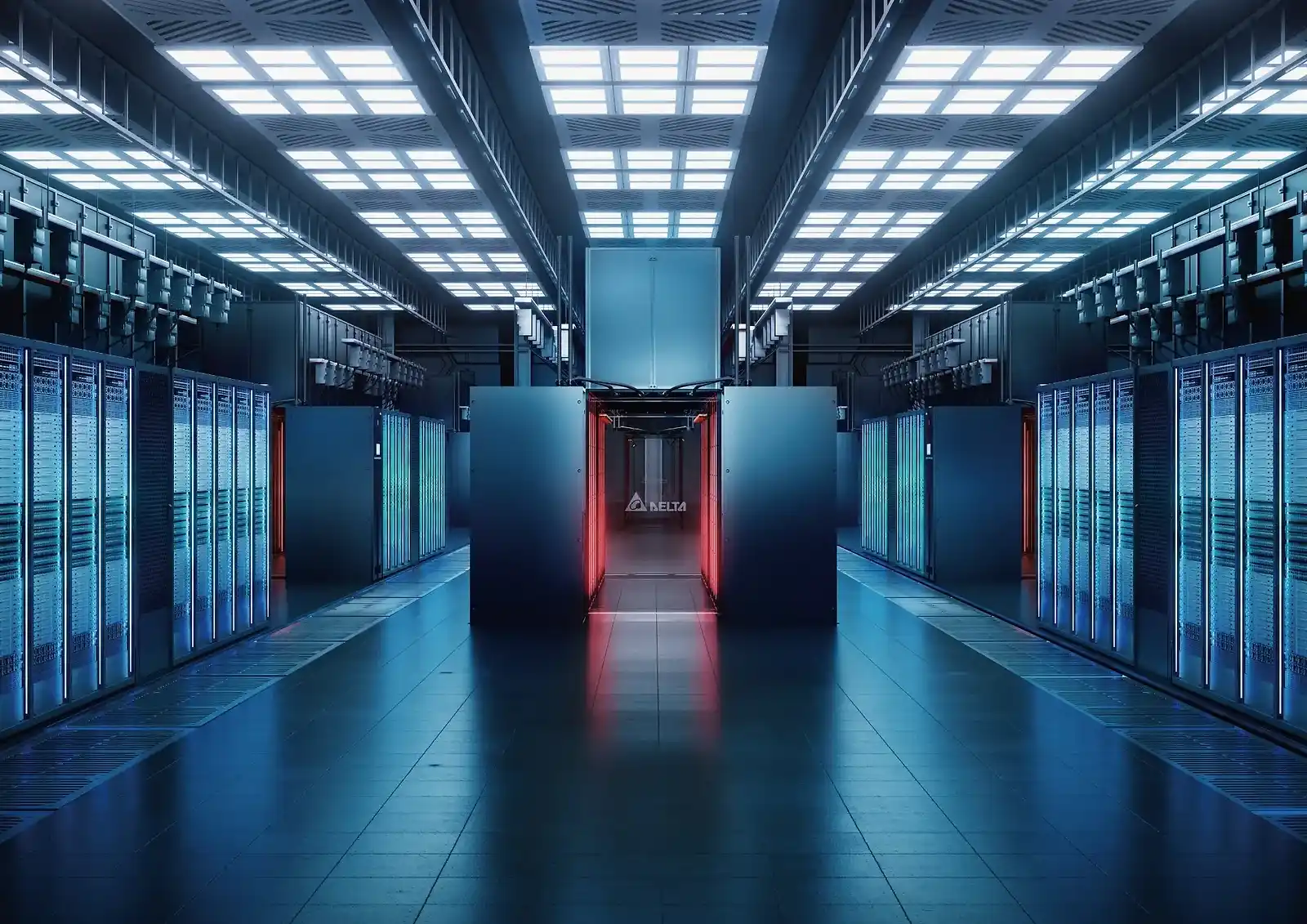
AI is reshaping nearly every aspect of data centre design, but perhaps no area is evolving faster than cooling. What was once considered a facilities issue has rapidly become a strategic business decision. As organisations race to deploy AI at scale, cooling is no longer simply about removing heat – it is becoming a critical factor in determining how quickly, efficiently and sustainably AI infrastructure can grow.
The numbers illustrate the magnitude of this transformation. Five years ago, a typical enterprise rack consumed between 5 and 15 kW. Today, AI racks commonly operate between 80 and 150 kW, while next-generation platforms are expected to approach 250 kW per rack. At these densities, traditional cooling approaches are reaching practical limits, requiring operators to rethink how data centres are designed from the ground up.
Rather than asking how to cool AI hardware, many organisations are now asking how future AI data centres should be designed.
Cooling is now an infrastructure strategy
As power densities continue to increase, cooling has become one of the defining factors shaping how future data centres are designed, expanded and operated. The rapid increase in GPU performance has fundamentally changed the thermal profile of modern servers, and AI workloads are exposing the limitations of data centre designs that were never intended to support such concentrated power densities.
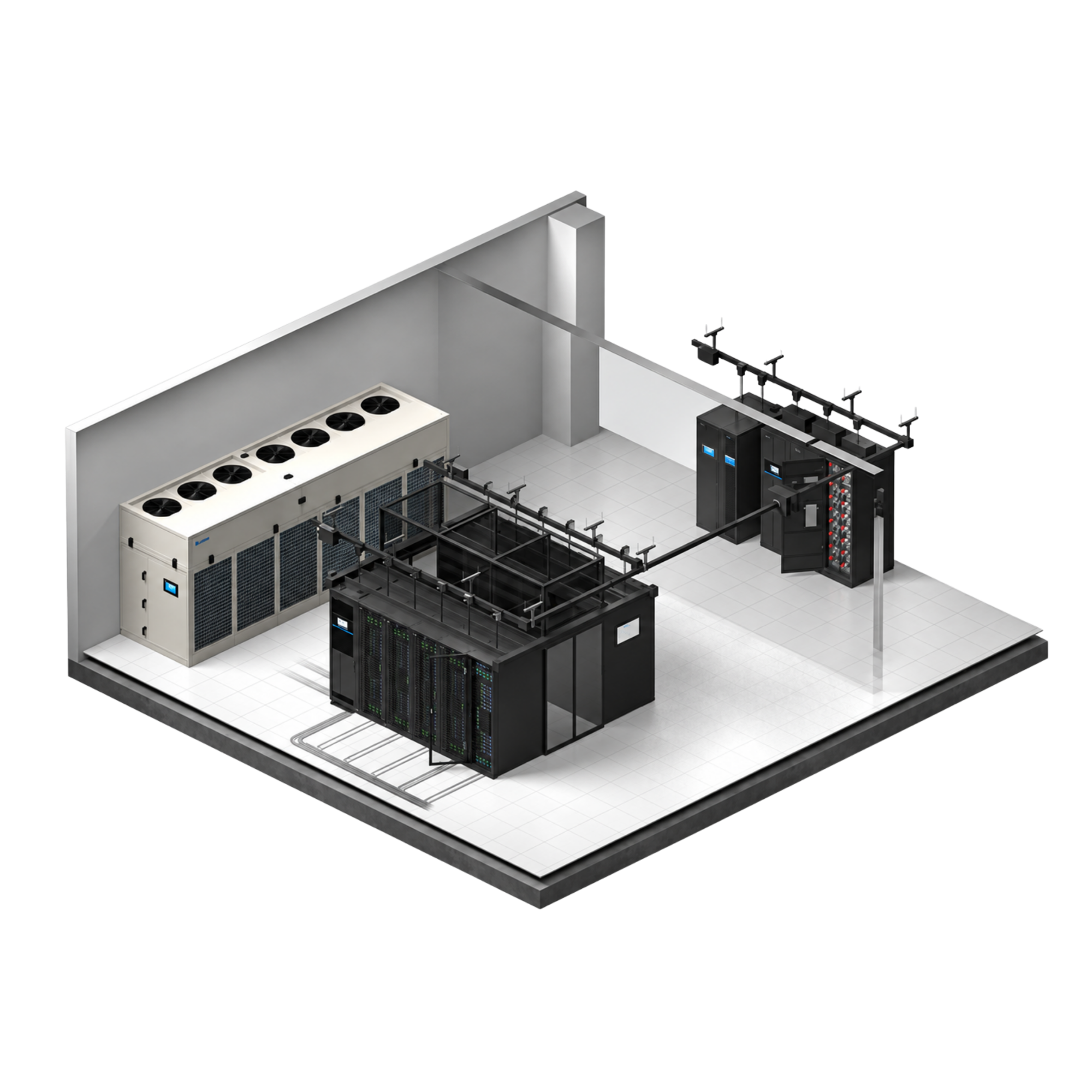
Unlike traditional CPU-based systems, today’s AI accelerators generate significantly higher thermal design power (TDP), concentrating large amounts of heat into a relatively small physical space. For many years, air cooling successfully supported enterprise data centres because workloads remained relatively predictable. As rack densities increased, operators introduced containment systems, larger CRAH and CRAC units Fan Walls, in-row cooling, and rear-door heat exchangers to improve the capabilities of traditional cooling architectures.
However, these solutions were designed to support incremental increases in rack power – not the dramatic leap introduced by AI computing. Maintaining higher densities with air alone quickly becomes impractical. Direct liquid cooling removes heat much closer to its source, providing substantially higher heat-transfer capability than air while supporting the thermal requirements of modern AI platforms.
The future isn’t air or liquid – it’s both
One of the biggest misconceptions surrounding AI infrastructure is that liquid cooling will completely replace air cooling.
In reality organisations should avoid thinking in terms of choosing one technology over another. The future belongs to flexible infrastructure strategies that combine multiple cooling approaches to optimise performance, efficiency and long-term scalability.
Even within liquid-cooled AI racks, not every component is cooled by liquid – current high-density AI servers still rely on air cooling for a portion of their total thermal load. Rather than eliminating air cooling, liquid cooling changes its role.
Instead of carrying the entire thermal load, air cooling increasingly complements liquid cooling by supporting non-liquid-cooled equipment throughout the data hall. Future facilities are therefore unlikely to be exclusively liquid cooled; instead, they will combine multiple cooling technologies to optimise performance, efficiency and operational flexibility.
The CDU is becoming the intelligence layer of liquid cooling
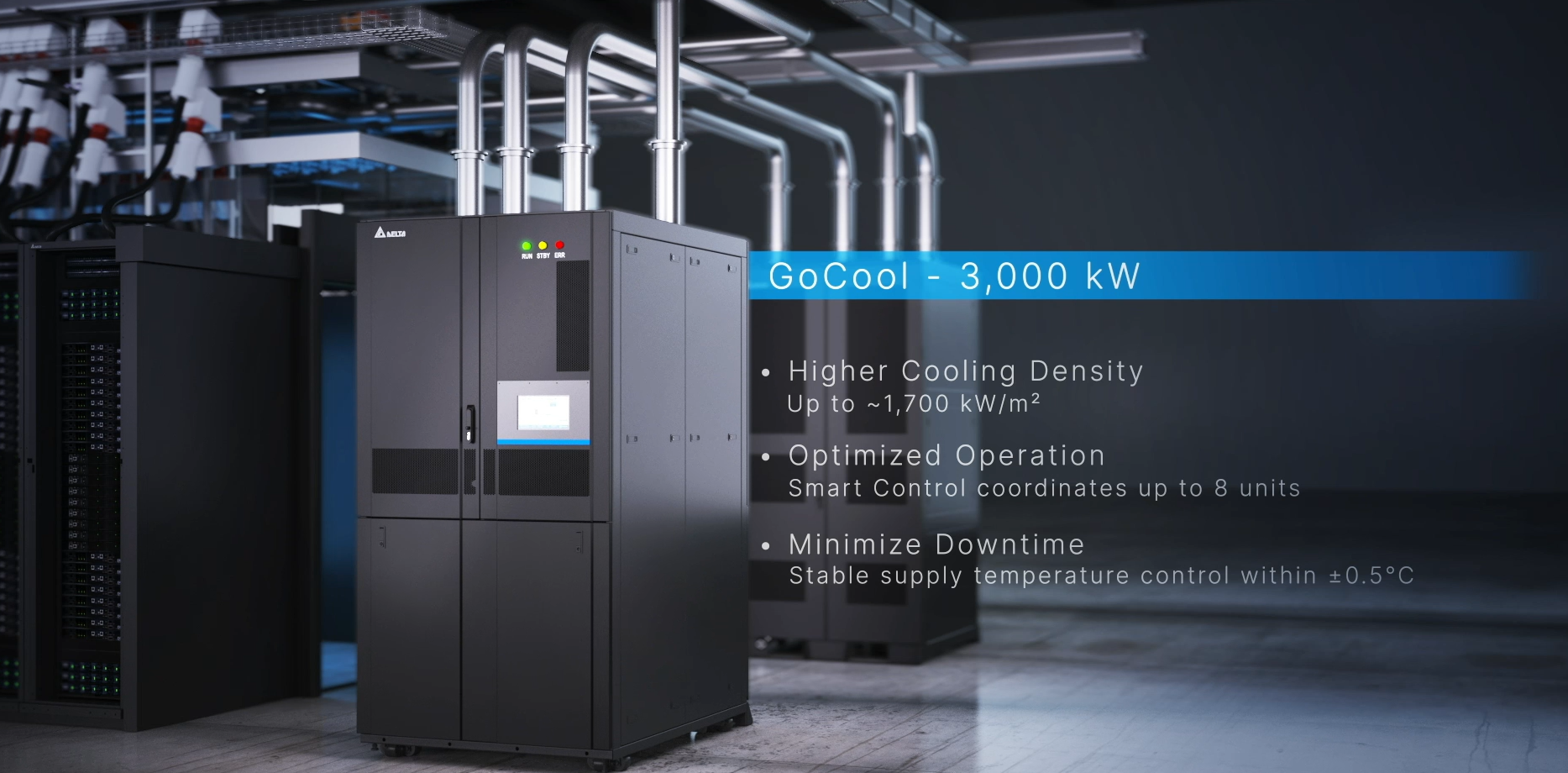
As liquid cooling adoption increases, the coolant distribution unit (CDU) is emerging as one of the most critical components within AI infrastructure.
The CDU is more than just a cooling component. It has become the intelligence layer that enables reliable liquid cooling. By continuously monitoring and regulating coolant flow, temperature and pressure, it helps ensure stable operation of high-performance AI systems while providing the visibility and control operators increasingly require.
Because the CDU sits directly between critical AI servers and the facility cooling network, reliability becomes paramount. Any interruption in coolant circulation may lead to thermal alarms, processor throttling, or system shutdowns. In many ways, the CDU is evolving from a supporting component into the intelligence layer that enables stable and efficient liquid cooling.
Cooling decisions now influence the entire power infrastructure
Perhaps the most significant industry change is that cooling can no longer be planned independently from electrical infrastructure. For AI-ready data centres, power and cooling have become inseparable. Every decision made in one domain increasingly influences the other, making cross-functional infrastructure planning essential.
Higher-density AI racks require larger power feeds, increased switchgear capacity, revised cable routing, and higher-capacity busway systems. Although liquid cooling itself does not fundamentally alter power distribution, the workloads it enables certainly do.
At the same time, liquid cooling introduces additional infrastructure – including pumps, monitoring systems, and control equipment – that must be incorporated into the electrical design.
This growing interdependence is changing how AI data centres are planned. Mechanical engineers, electrical engineers, IT architects and facility operators increasingly work together from the earliest stages of project development. Rather than treating power and cooling as separate engineering disciplines, operators are designing them as a single integrated infrastructure strategy capable of supporting future AI expansion.
Designing the next generation of AI data halls
The impact of liquid cooling extends well beyond thermal management. Higher rack densities allow significantly more computing capacity to be deployed within the same physical footprint, reducing the amount of white space required for equivalent IT workloads while improving communication efficiency between servers. At the same time, higher densities introduce new design challenges involving coolant distribution, service access, monitoring, maintenance procedures, and operational expertise.
One of the biggest shifts is that cooling is no longer simply a facilities discussion. It has become an infrastructure strategy. Organisations that continue planning power, cooling and IT independently risk creating infrastructure bottlenecks that could limit future AI growth. Successful AI deployments will increasingly depend on integrated infrastructure planning from day one.
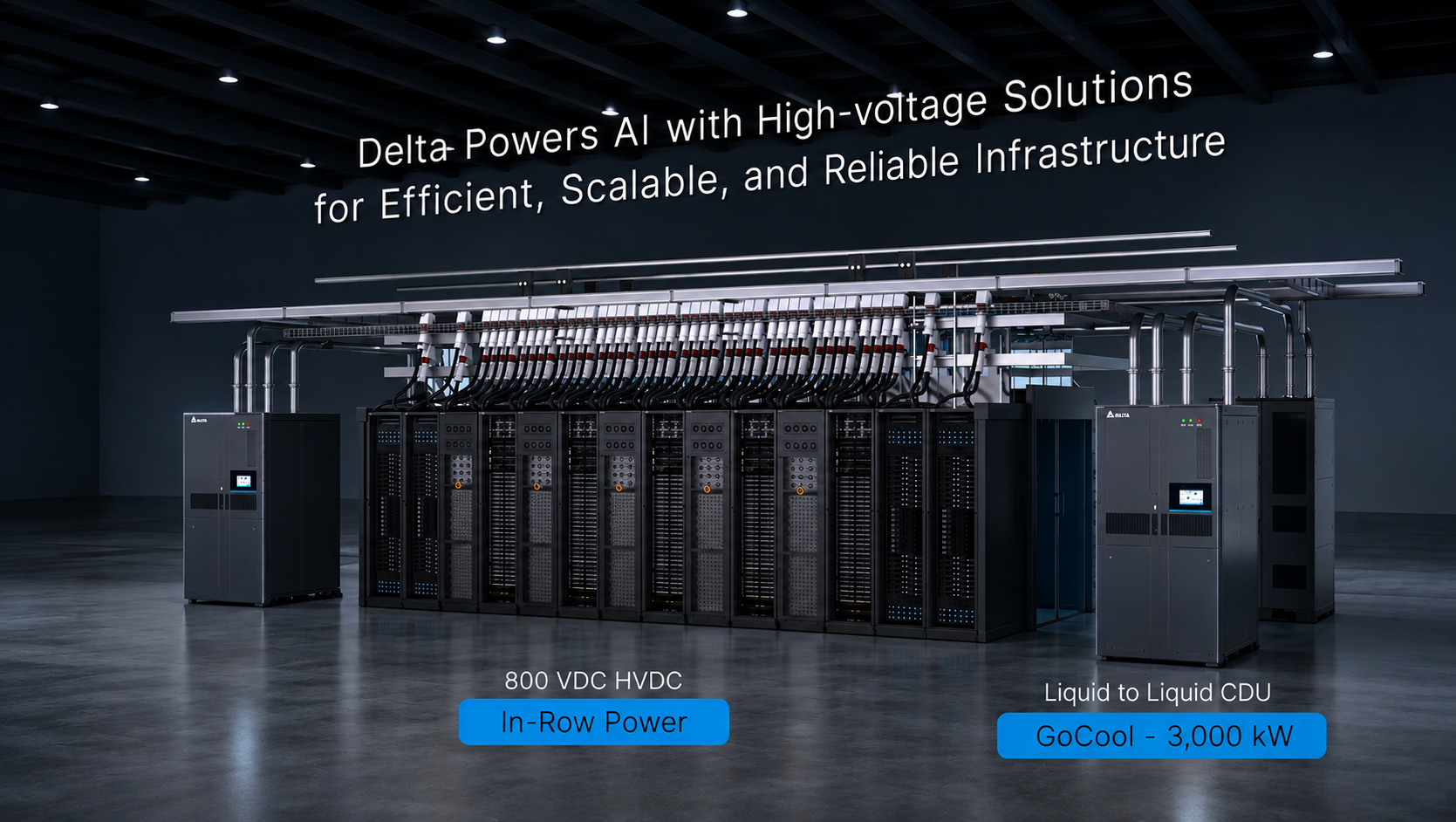
Future rack architectures are expected to continue evolving. Industry developments in higher-voltage DC distribution, including emerging 800 VDC architectures, may further influence rack design, data hall layouts and operational practices as AI infrastructure continues to scale.
Design flexibility is therefore becoming one of the most valuable characteristics of modern data centres. Many operators are preparing facilities that can efficiently support today’s air-cooled workloads while remaining ready to introduce liquid cooling as future computing requirements evolve.
The benefits of liquid cooling extend beyond supporting higher rack densities. As AI infrastructure becomes a long-term strategic investment, efficiency is no longer measured only in energy savings. It increasingly determines operational costs, deployment speed, infrastructure utilisation and the ability to scale AI economically over many years.
Looking ahead
Over the next few years, organisations will increasingly stop asking whether liquid cooling is necessary. Instead, the discussion will focus on how to design data centres that remain flexible enough to support future generations of AI hardware, whatever thermal requirements they may bring.
AI is changing far more than compute performance; it is redefining how data centres are planned, built and operated. Cooling is no longer simply a mechanical subsystem; it has become a strategic enabler of AI infrastructure. The organisations making those infrastructure decisions today will be far better positioned to scale tomorrow’s AI workloads without major redesigns.
Discover Delta’s Solutions here: Delta Power Solutions.