Watergate legend Bob Woodward reveals his ‘forever sources’ in new memoir
His longtime confidential sources have included high-ranking intelligence officials and a prominent Trump ally
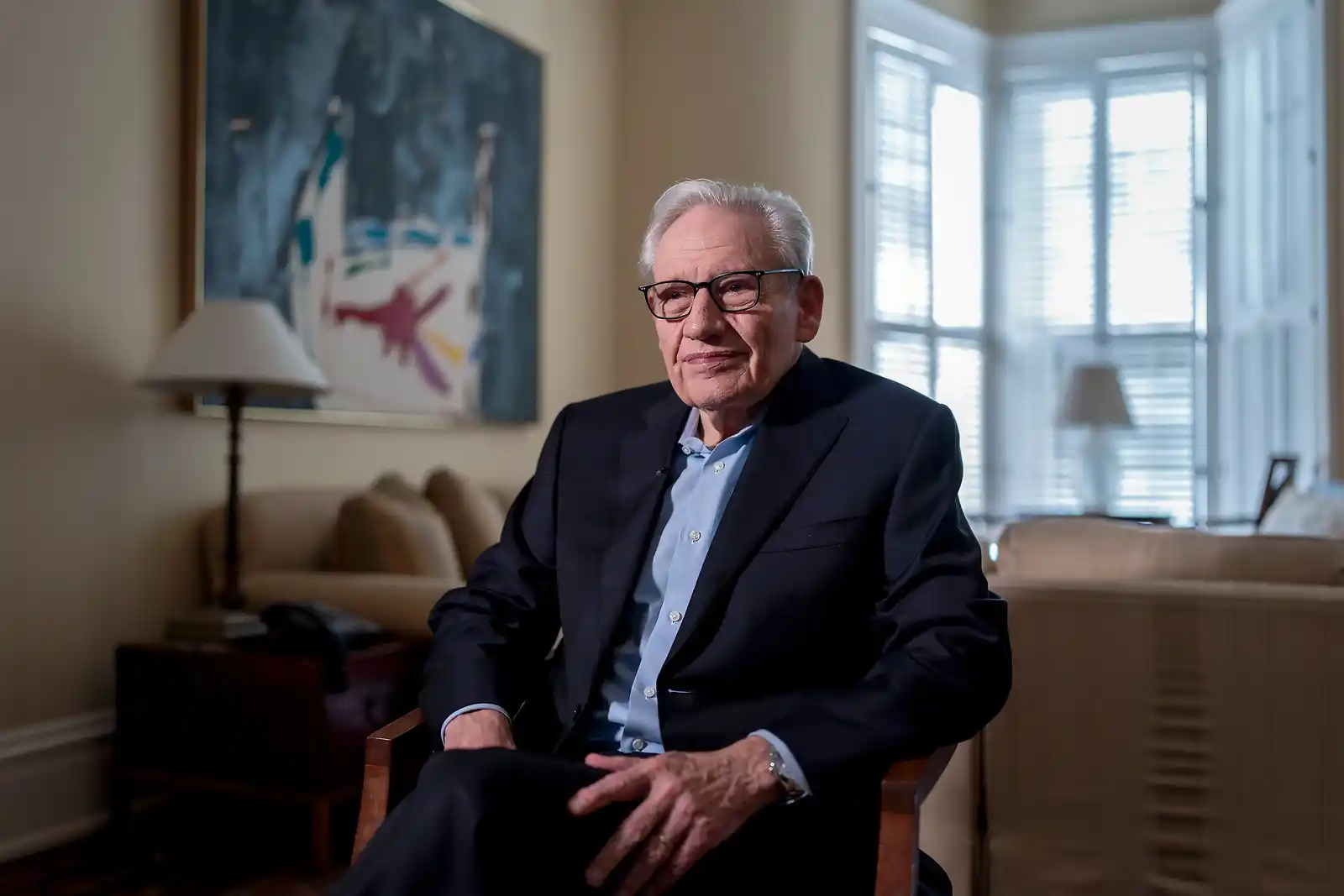
Veteran journalist Bob Woodward, whose reporting helped expose the Watergate scandal, is revealing some of his longtime confidential sources in a new memoir.
“Secrets: A Reporter’s Memoir,” out November 24, names Washington insiders who served as his sources over decades of reporting on 10 presidents. Some of those sources shared classified information.
They include former CIA Director William Casey and the late South Carolina Senator Lindsey Graham, who together reportedly spoke with Woodward more than 100 times.
Most of the sources identified in the book have died. Some gave Woodward, 83, permission to name them.
“I thought this was a time to let people know, and these are people who don't do bad things actually, they were people who were trying to get the true story out,” he told NPR.
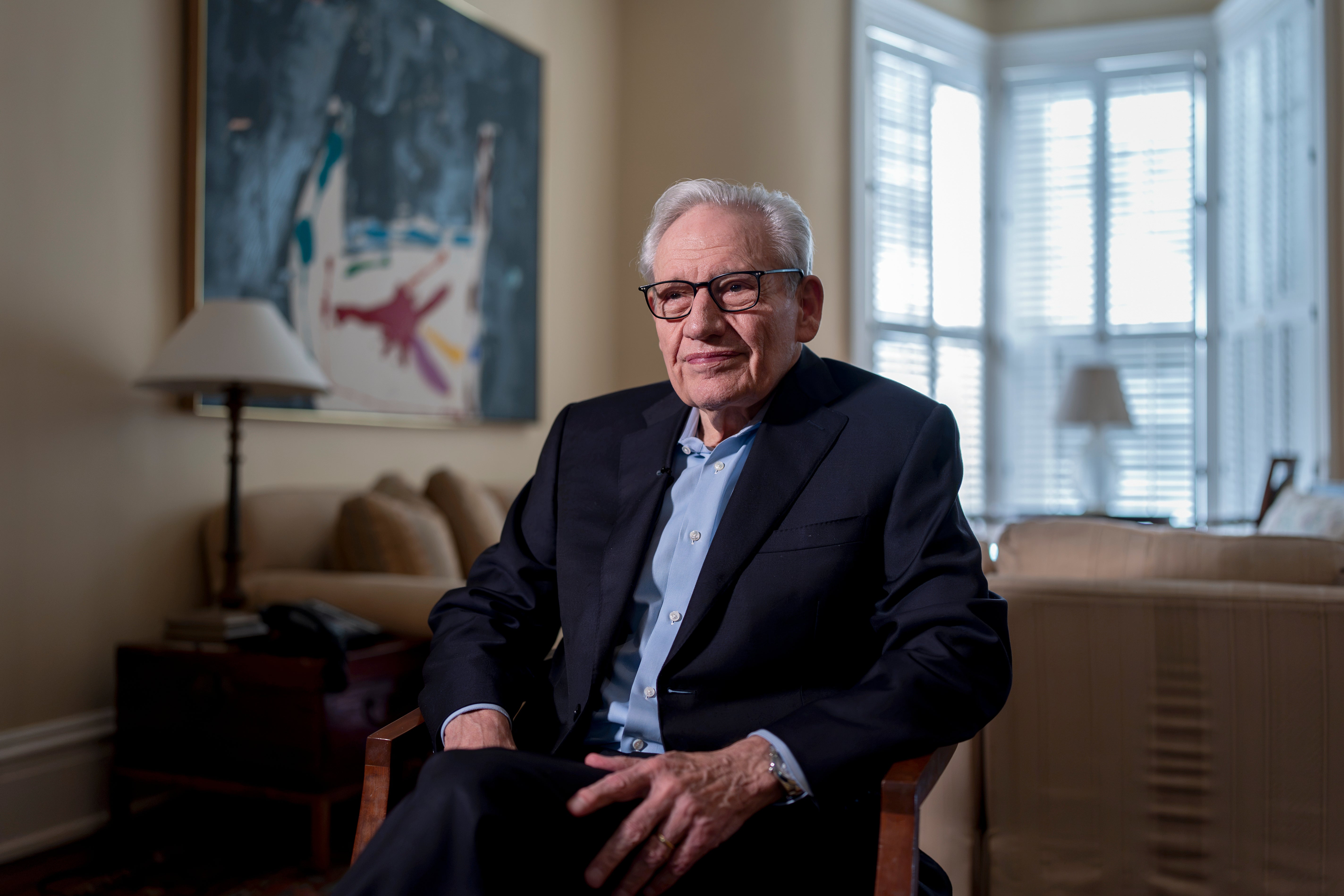
Woodward spoke with Casey, who led the CIA under Ronald Reagan, on 50 occasions during the 1980s, NPR reported, citing an advance copy of the memoir.
The 592-page book revisits Woodward’s account of entering Casey’s hospital room in 1987, where he said he obtained a deathbed confession that the CIA director knew about the diversion of funds at the heart of the Iran-Contra scandal. Casey’s widow disputed that the encounter ever took place.
According to The Washington Post, Woodward wrote that he had spent years building relationships with Casey’s security staff, who let him into the room rather than turning him away.
Woodward, who joined the Post in 1971 and remains an associate editor, also identified two of Henry Kissinger’s aides as the sources for his account of Richard Nixon sobbing in Kissinger’s presence and asking him not to tell anyone.
Another insider was C. Boyden Gray, who served as White House counsel under George H.W. Bush and whom Woodward described as “one of my lifelong secret sources.” In 1987, Gray gave him a “top secret” memo about American weapons sales to Iran that contradicted the Reagan administration’s public statements.
Woodward wrote that Gray knew the document “would get out” and “wanted to get ahead of it.”
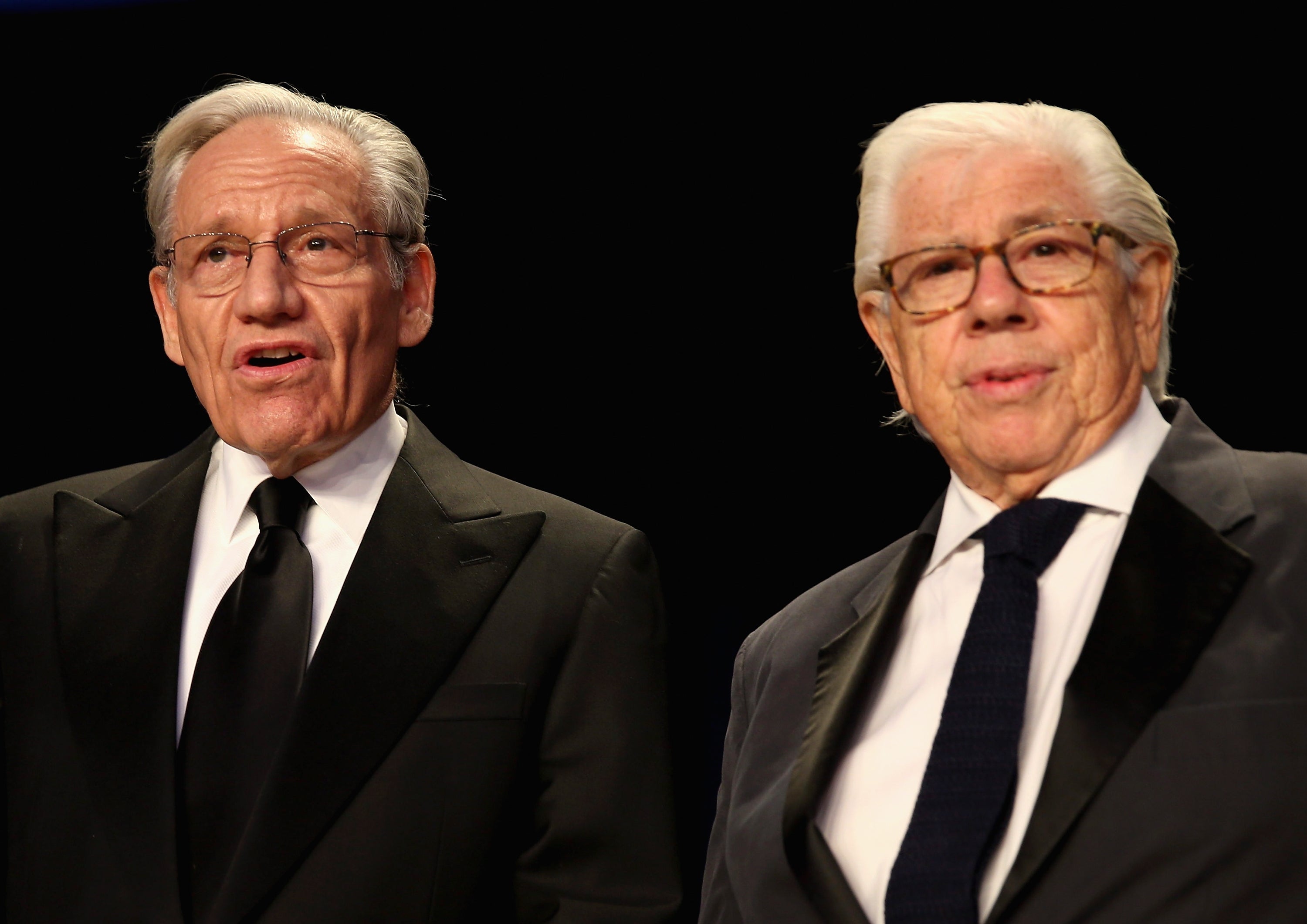
During Bill Clinton’s administration, Woodward spoke with the president’s aides as well as Hillary Clinton. His 1994 book, “The Agenda: Inside the Clinton White House,” depicted an administration beset by turmoil, though he told NPR that he now considers Clinton’s presidency a success.
During Donald Trump’s presidency, Woodward talked repeatedly with Lindsey Graham, who died in July of an aortic dissection.
Woodward wrote that he interviewed Graham “at least 74 times” and that the senator helped coax Trump into being interviewed for his 2020 book, “Rage.” Trump later denounced the book as “just another political hit job.”
The identity of Woodward’s most famous source, however, has long been known.
For decades, speculation swirled around “Deep Throat,” the anonymous source who helped guide Woodward’s reporting on the Watergate scandal. In 2005, former FBI Deputy Director Mark Felt revealed that he was the man behind the moniker.
Over the years, critics have accused Woodward of allowing his sources to shape his reporting to serve their own interests.
Defending his work in The New Yorker this year, Woodward wrote: “I knew I was being used sometimes, but that did not mean that the information I gleaned was not accurate.”