US voters to decide on fate of data centers as AI boom sparks backlash


Concerns about heavy electricity and water demands are driving opposition to data centres
Voters in 10 U.S. states will decide on Election Day whether to curb data center development in their communities, as the rapid expansion required to power the artificial intelligence boom sparks widespread local resistance.
Opposition is especially pronounced in Ohio, one of the country's fastest-growing markets for the sector. Data from non-partisan research group Ballotpedia shows no state has more ballot initiatives, with residents in over a dozen jurisdictions considering 21 distinct proposals alongside Tuesday's midterm elections.
Across 38 local jurisdictions, voters will consider at least 41 measures intended to delay, prohibit, or restrict data centers—the sprawling facilities supplying the computing power required to run AI applications. Because most states demand petition drives before initiatives reach the ballot, their presence reflects growing pushback across the political spectrum.
Support for prohibiting construction of certain facilities comes from both Democrats and Republicans, according to local campaigner Jessica Baker. "We all want the same thing."
Baker, of advocacy group Conserve Ohio, said concerns about heavy electricity and water demands are driving opposition. Even if developers generate power via gas turbines or nuclear reactors, residents remain opposed to having facilities built nearby because of fears about potential health risks to their children, such as asthma, she added.
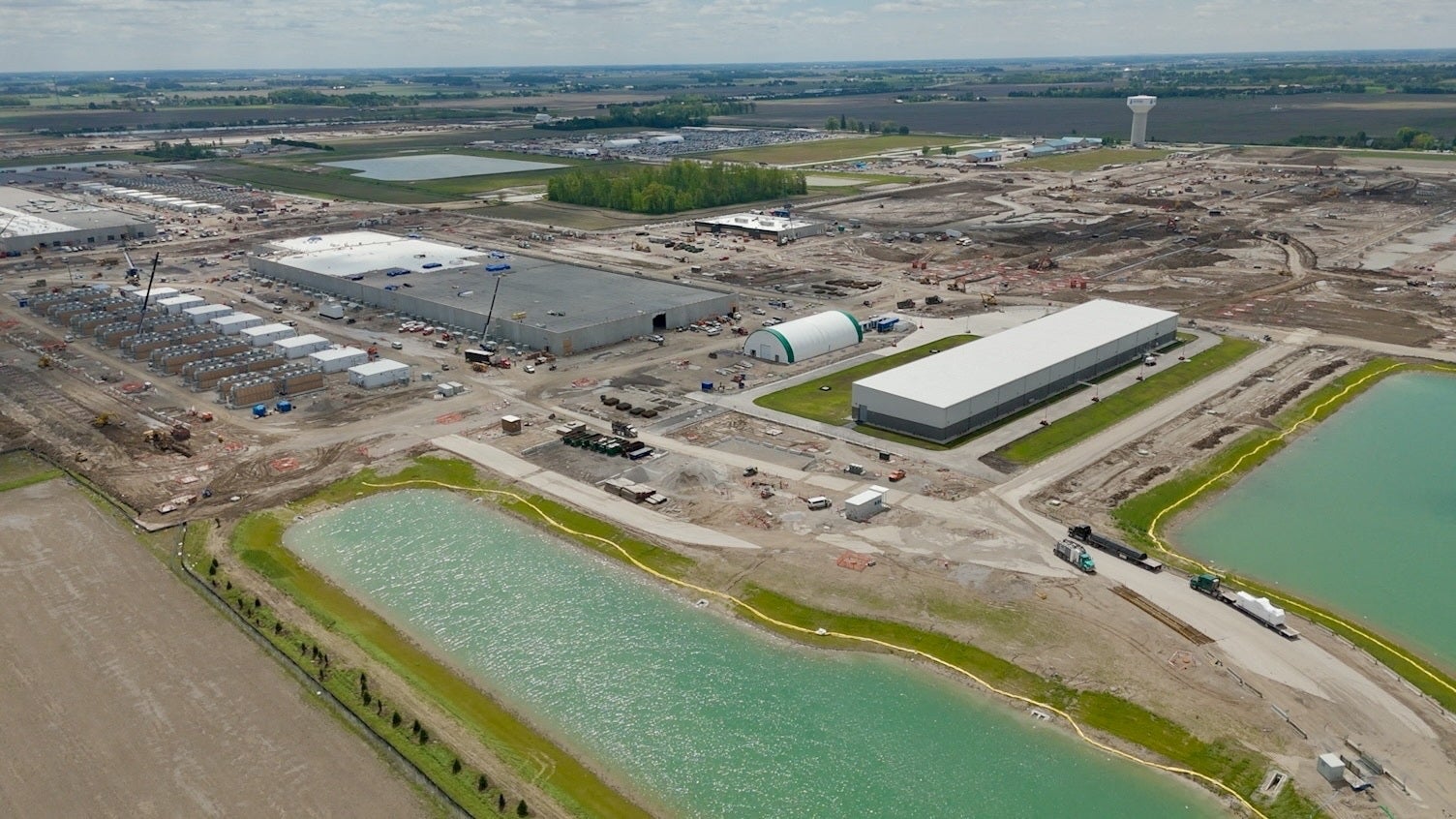
Should Ohio voters approve restrictions, developers are expected to redirect investments elsewhere rather than abandon projects entirely, said Baron Fung, who oversees IT infrastructure research at market research firm Dell'Oro Group. The industry already grapples with major hurdles, including years-long waits for grid connections and rising construction costs.
"If there’s a cancellation or delay in certain sites, (developers) can potentially shift some of that demand to another site," Fung said.
Despite rising friction, recent figures indicate local pushback has not significantly dampened expansion. U.S. data center capacity under construction grew by 48 percent between December 2025 and June 2026, measured in gigawatts, according to John McWilliams, head of data center insights at real estate firm Cushman & Wakefield.
"Even though there are areas or jurisdictions around the country where there is some friction between developers, there’s still areas where projects are moving forward," McWilliams said.
The ballot measures have drawn attention from major industry players. In Sunbury, near Columbus, a proposal banning data centers using over 25 megawatts of electricity could derail a planned $2bn development by Amazon. Shannon Kellogg, Amazon's public policy lead, appeared on local television in October to answer questions ahead of the vote.
An Amazon spokesperson declined to clarify whether ballot initiatives nationwide would affect the firm's broader expansion plans.
"We're focused on working with local residents and officials to build data centers that support jobs, strengthen local economies through millions in tax payments and power the technologies customers rely on," the spokesperson said. "Regardless of the outcome of any single measure, our commitment to the communities where we operate remains the same."
Related Articles
- Stock Markets News
AI data center boom faces backlash at US ballot box
- Business News
Data centre backlash grows ahead of US midterms - here's what you need to know
- Business News
The datacentre next door: on the frontline of tech’s latest David v Goliath battle
- World News
Data center group jumps into the Kansas governor’s race to boost Republicans
- Business News
UK government met 137 businesses over AI datacentres – but no environmental groups