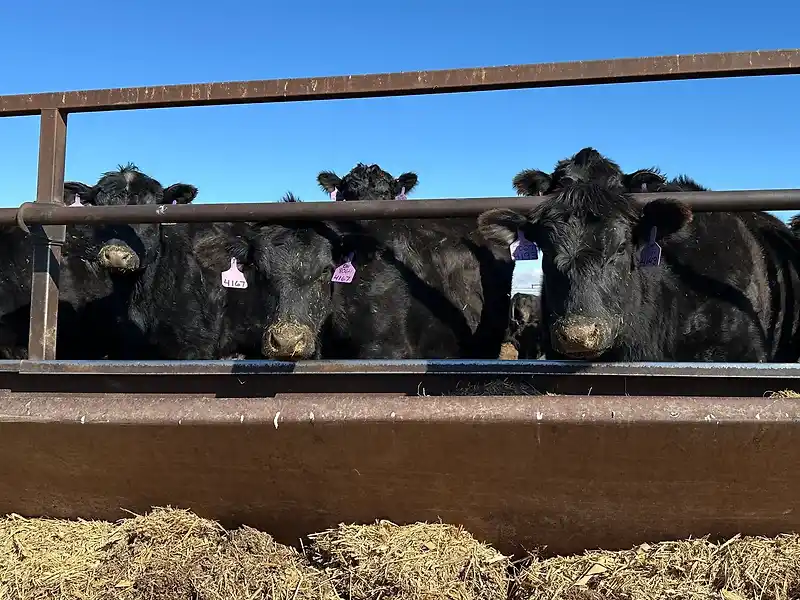
US reopens vital cattle trade route with Mexico despite ongoing parasite outbreak


Stockyards in New Mexico that had closed due to the New World screwworm outbreak are bustling again
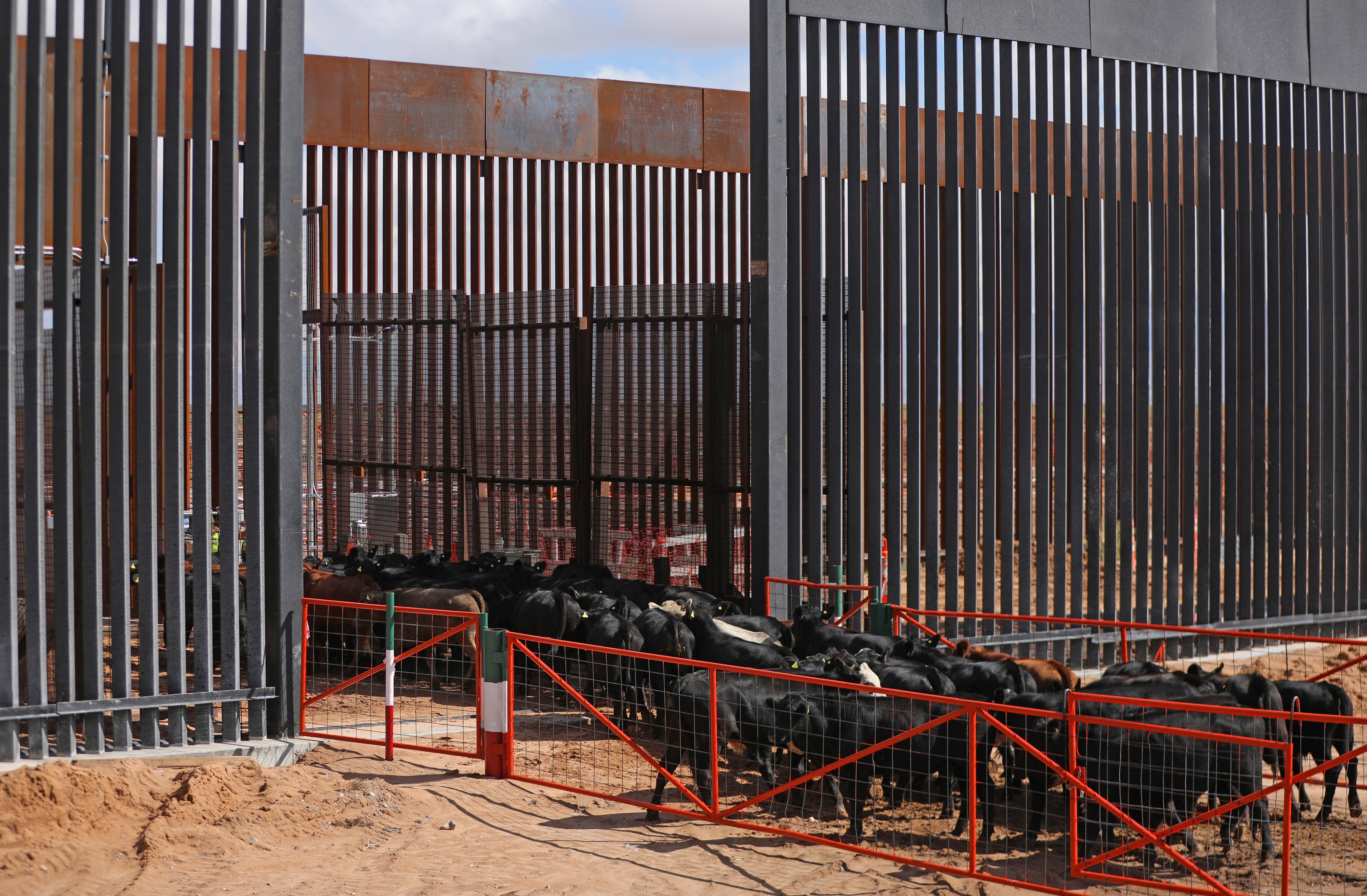
A border crossing in New Mexico that had been shut for nearly two years began moving Mexican cattle again on Monday, after U.S. agriculture inspectors gave the all-clear.
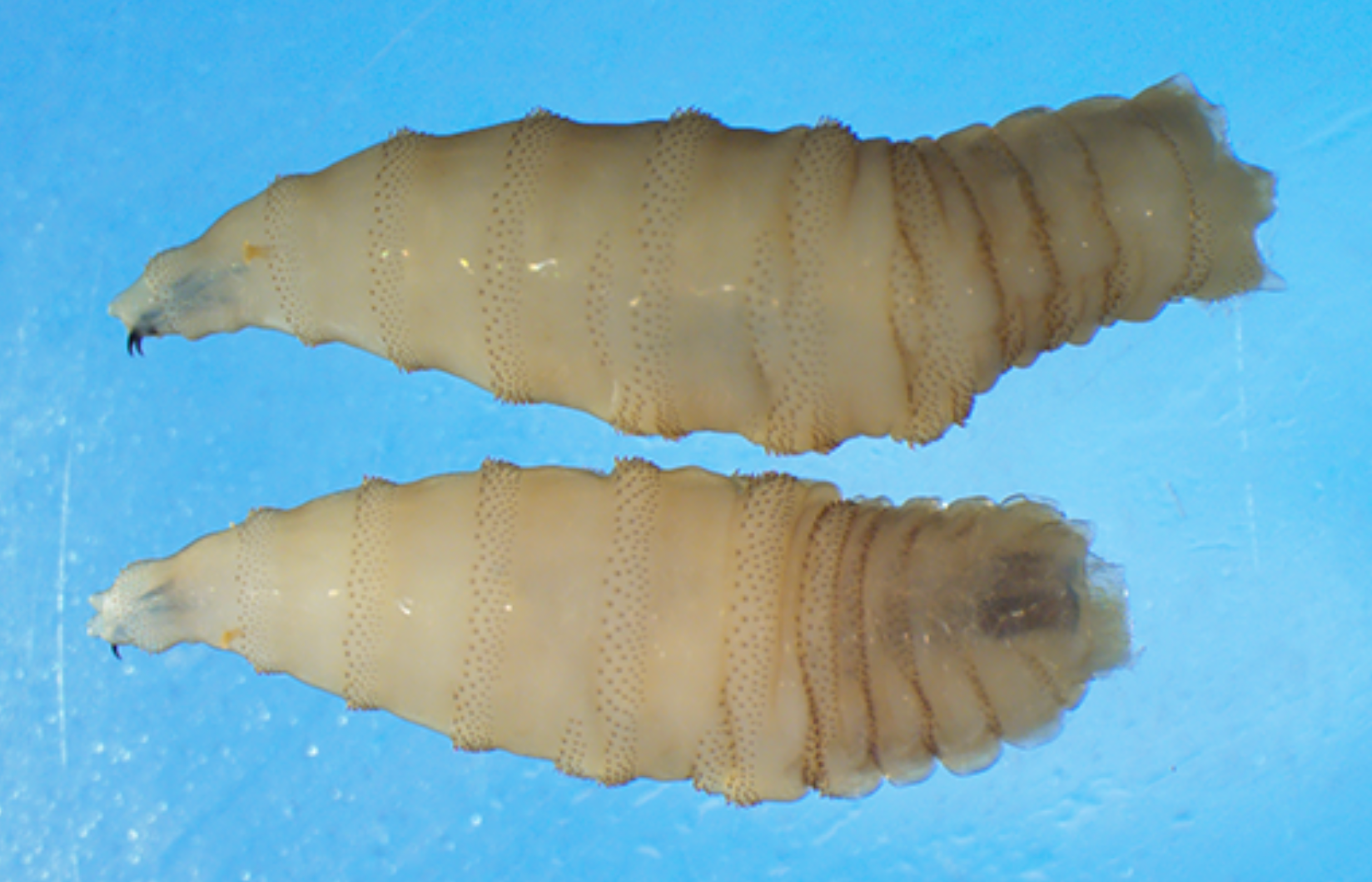
The reopening is part of efforts by both nations to stop the spread of the flesh-eating New World screwworm.
The parasite, actually a fly larva that burrows into the flesh of livestock, pets, and even humans, has threatened the $113 billion U.S. cattle industry.
Containment efforts have cost jobs and trade in border communities.
The closure also cut off a source of cattle as the U.S. struggles to rebuild drought-depleted herds.
Reopening crossings could help ease that squeeze, although experts caution that shoppers shouldn't expect quick relief on beef prices.
The port at Columbus, New Mexico, is the third to resume Mexican cattle imports under new safeguards.
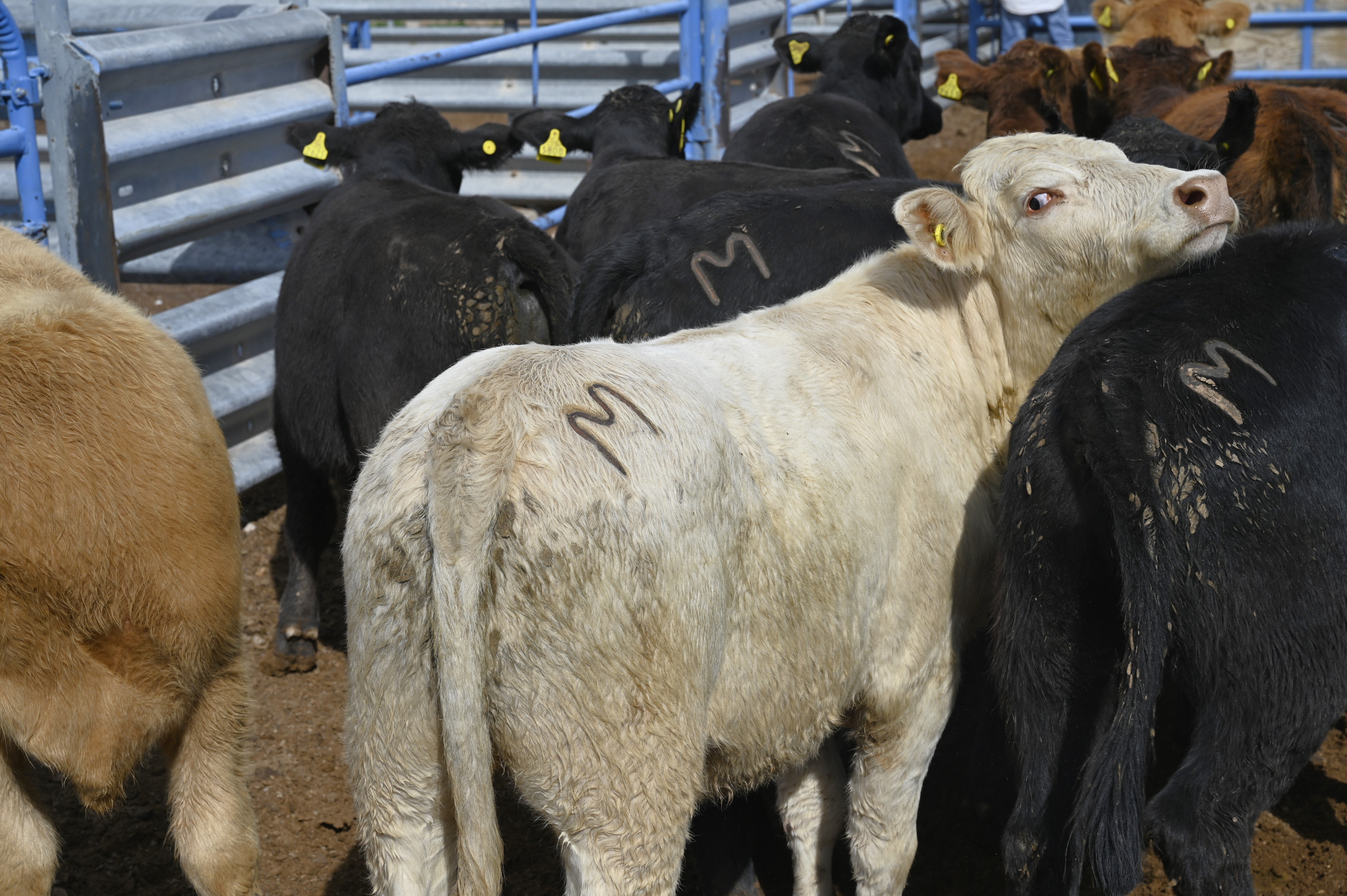
Those safeguards include tests, shots and inspections that happen before an animal even gets close to the border.
Officials and ranchers in the two countries say layers of treatment and inspection give them confidence that imported livestock won't carry screwworm through the ports.
But flies can buzz across the border on their own, meaning ranchers, hunters and pet owners should remain vigilant.
Before the current outbreak, the U.S. was importing about 1 million head of cattle per year.
It will take time to get back to that number while keeping a sharp eye on the risks to animal health, said Dudley Hoskins, undersecretary for the Department of Agriculture.
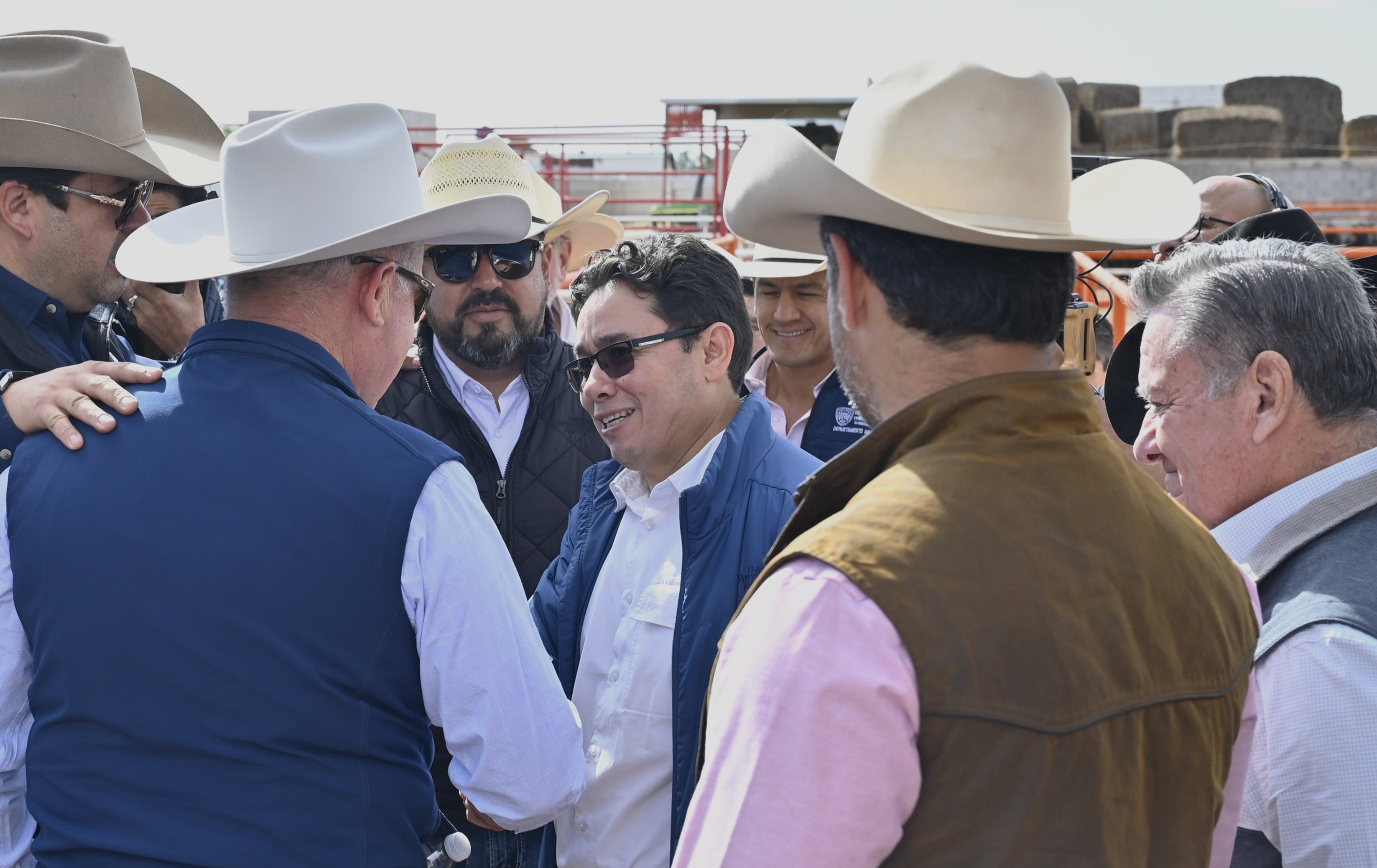
“As long as we can manage and mitigate that risk at an acceptable level, we will continue to process the safe and legal movement of cattle through these ports,” he said, watching as cattle lined up in the chutes at Columbus.
The parasite was an annual livestock scourge before being largely eradicated in the U.S. in the 1960s.
It reappeared in Mexico in 2024, and the first confirmed U.S. case was in Texas in June.
More than 60 cases have been confirmed in Texas and New Mexico, with infestations of cattle, sheep, goats, horses and dogs.
Last week, the first case in U.S. wildlife was confirmed after a hunter found screwworm in an elk.
Another border crossing for cattle in Arizona is due to open in late November.
New Mexico is key for cattle imports.
About a third of all Mexican cattle imported to the U.S. each year pass through Columbus and the Santa Teresa port near El Paso, Texas.
Gerardo Fierro, executive director of the New Mexico Border Authority, pegged the area's cattle trade at $1 billion.
Fierro said the community watched as jobs, cattle sales, and even tax revenue from the diesel fuel used to transport the animals evaporated because of the closures.
Ranchers were no longer crossing into New Mexico and spending money on supplies, lodging and food.
Farmers had no customers for their alfalfa and grain.
“This means a lot,” he said of the reopening.
Layers of safeguards ensure cows are clean.
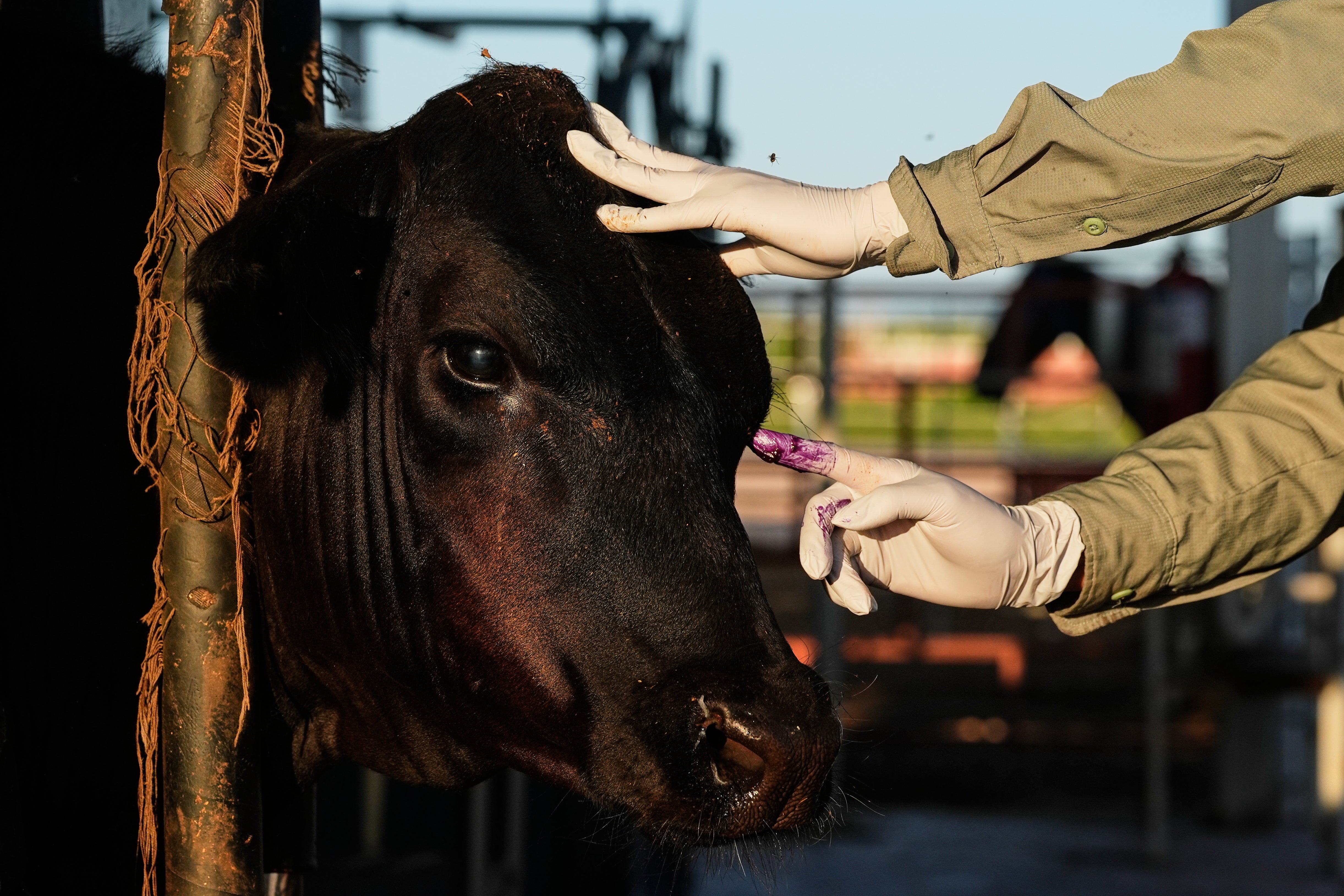
New Mexico state veterinarian Samantha Holeck said the rigorous process for getting cattle ready starts at their home ranches, where private veterinarians check for tuberculosis and other diseases and deliver medications that prevent screwworm.
At the next stop, veterinarians accredited by the Mexican government look for open wounds, signs of illness or other injuries.
Then the USDA conducts a head-to-tail inspection while the cattle are still in Mexico.
The last hurdle is dipping, as it's commonly known, which involves immersing the cows in vats of insecticide to eliminate any missed parasites.
Holeck said the protocols developed over recent years helped to buy more time.
The USDA is using fly traps and drones to survey areas.
The government has a longstanding program to breed sterile male flies and drop swarms of them from planes to mate with wild females, causing the flies to die out.

The government is building a $610 million factory in Texas that can produce 300 million sterile flies per week.
That will augment production at facilities in Mexico and Panama.
“That’s our sharpest tool,” Hoskins said.
Beef prices are a bigger problem.
Mexican ranchers once again have a market for their feeder cattle.
But experts say it will take time for U.S. ranchers to rebuild herds that have dwindled to record lows due to years of persistent drought.
Constrained supplies have pushed prices higher.
Related Articles
- World News
Trump’s beef tariff pause sparks anger among US ranchers
- General News
California couple trafficked lion teeth, rhino horn in illegal wildlife trading ring
- Stock Markets News
Exclusive-Chevron uses Permian playbook to breathe life into Argentina’s ‘Dead Cow’ oil region
- World News
Nearly 1 million chickens killed as bird flu outbreak grows
- General News
Adorable runaway cow sparks police chase through NY town