Ukraine peace talks little more than a mafia-style shakedown by the US and Russia
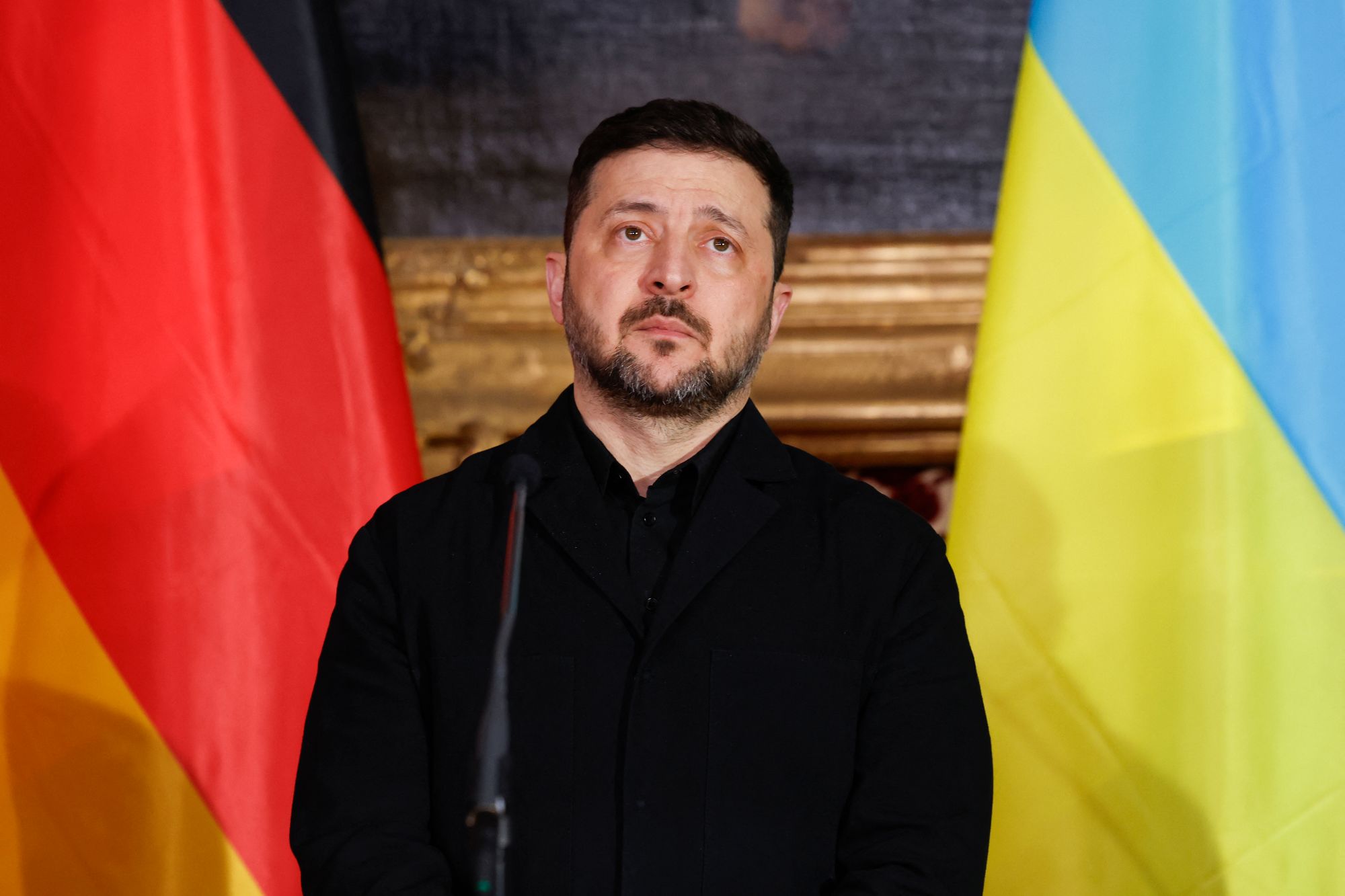
The collapse of “peace talks” between Russia and Ukraine in Geneva is a moment to be celebrated. But Europe’s politicians may need a stiff drink to fortify them for what is to come after Volodymyr Zelensky described what America deal-brokers were doing as “unfair”.
The entire process has been a mafia-style shakedown of Ukraine and her allies by the US and Russia, who have weaponised lies about the whole bloody process - from the causes of the war to the prescriptions for ending it.
In Pavlohrad, the Big Lie for internal refugees from Russia’s “meat grinder” operations in the east of Ukraine, which dates back to 2014, is that he sent forces to rescue them from Ukrainian nationalists. That he sent Russian soldiers to save Russian speakers from oblivion under Kyiv.
Nikolai Klymenko, 56, sits wheezing on the edge of a bed in the government-run relief coordination centre in the city, an hour’s drive from the front lines.
A former soldier in the Soviet army, he fought in Kandahar, Jalalabad and elsewhere during Moscow’s efforts to prop up a communist regime in Kabul in the 1980s. He says he was decorated for bravery and blown up by a booby-trap in Kandahar and has the scars to prove it.
“I had a hole in my head you could put your finger in,” he says of his service to the Kremlin.
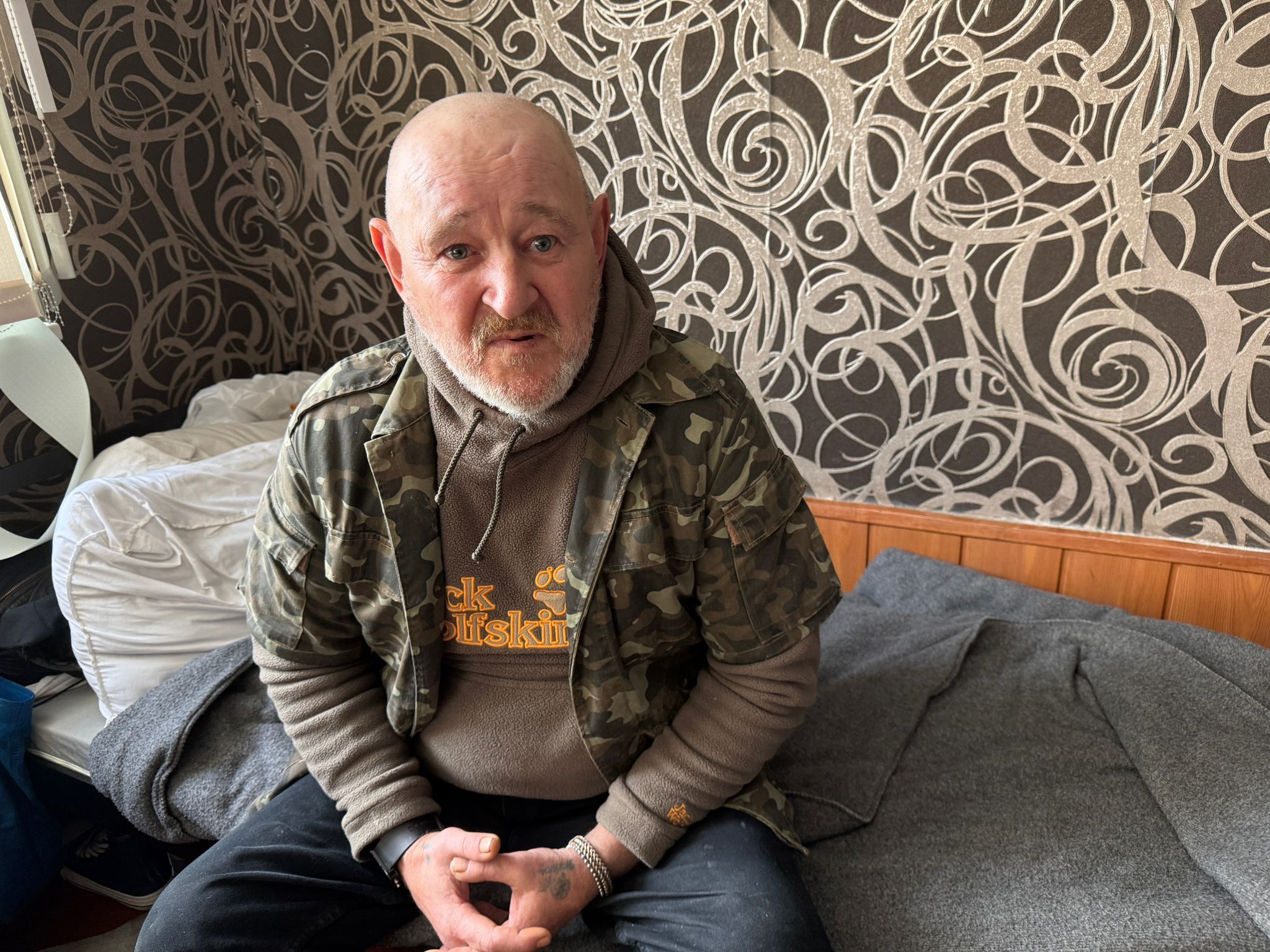
Nikolai speaks Russian as a mother tongue. He fled Moscow’s invaders from Dobropilla in the summer then found himself in Druzkhivka, south of Kramatorsk, as Russian missiles and drones expanded their attacks on civilians.
“I ended up begging for cigarettes outside the hospital. So I came here,” he says.
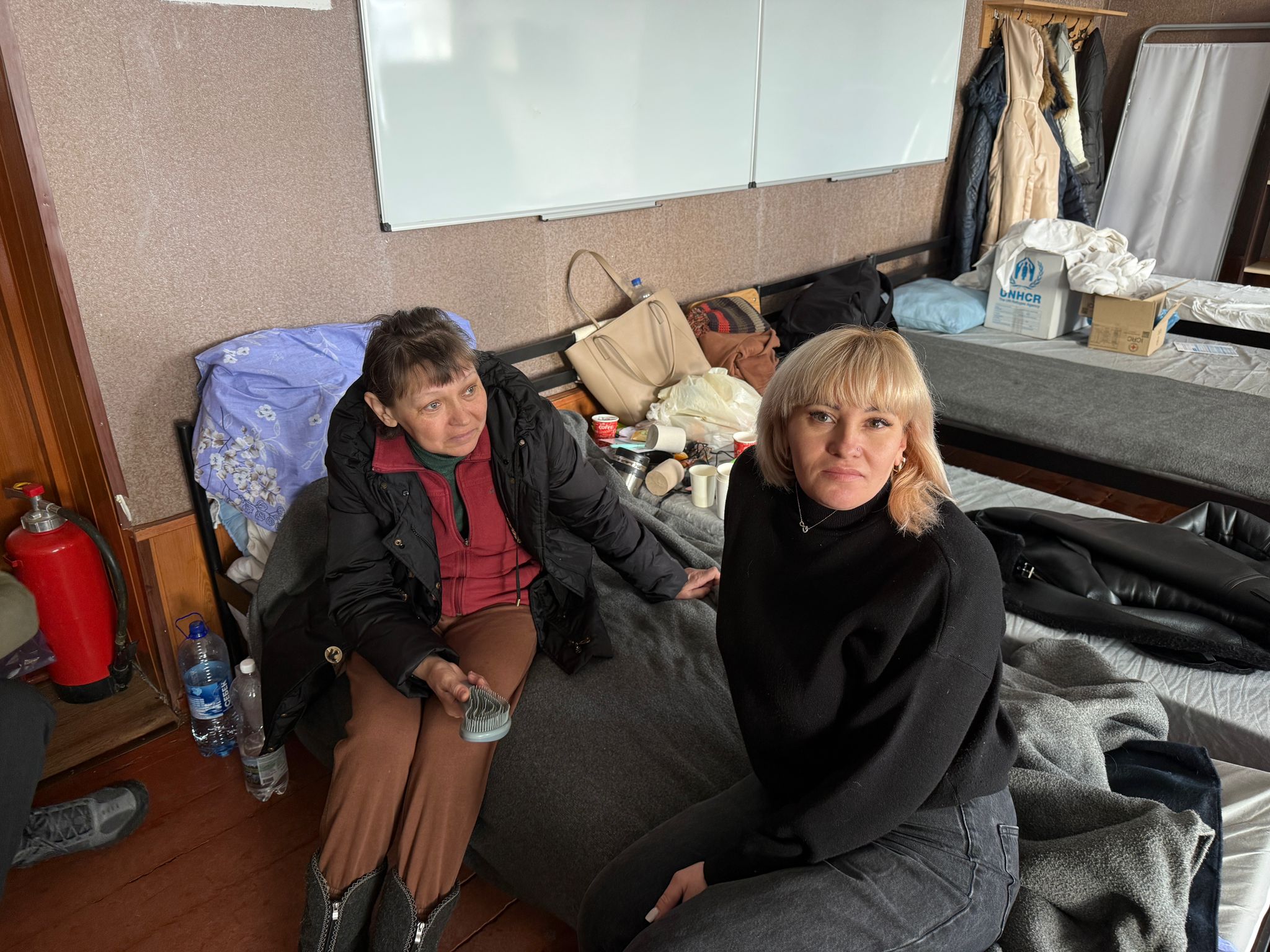
Lilia Zemliana, a refugee from Donetsk province which Putin has already illegally annexed even though about a third of it isn’t in Russian hands, runs the relief centre.
Since it opened in 2024, two years after Putin ordered a full scale invasion of Ukraine, 44,000 people have come through its doors. They’re helped with food, documents, psychological support and accommodation locally or deep into the west of the country.
Almost all of them would have been Russian speakers - the people Putin said he was trying to save.
Oleh Nemchenko, a miner from Dobropillia, is not among the refugees. His body is in a hole in the ground near the coal mining pit head. He hung on as Russian forces bombarded the town with his wife Iryna.
“I was lighting a fire in our stove and he went out for a cigarette. I don’t know what happened next and cannot remember - the next thing I found myself outside looking at his dead body in the street,” she says - and rolled her eyes when asked about Putin coming to the rescue of Ukraine’s Russian speakers.
Donald Trump has often repeated the Putin claim that Ukraine would not have suffered an invasion if it had not looked to joining Nato. Russia invaded in 2014. Ukraine has formally pursued Nato membership only since 2019 and as a result of Moscow’s invasion.
But giving an excuse to Russia for its attacks on its neighbour, which Putin has said is a ‘fake country” and must be brought back into the Russian imperium as a province with no national sovereignty, has encouraged Trump to end military support for Kyiv.
And it has enabled his first shakedown of the country - when he used the cut in aid and other threats to undermine Kyiv’s defence to force Ukraine into signing a mineral deal under duress last year.
Trump has been keen to get a peace deal in Ukraine. But he has parroted Russia’s demands. Recently he insisted that time was running out for Ukraine and Zelensky to agree a deal or lose the offer of vague “security guarantees” to protect Ukraine in the future from Russian attack.
Ukraine's president has shown a talent for telling the White House “yes, but no.” Now he has finally said “no”.
No to the constant requirement that Ukraine continue to make concessions to its invaders which he described this week and at the Munich Security Conference, as “unfair”.
Security guarantees from the US, a nation that has not ruled out invading Greenland (part of Denmark) and wants to annex Canada are worth nothing.
The US is part of the Nato and has signed treaties to that effect. Its armed forces are the leading part of Nato, its intelligence organisations bound into a security alliance with, among others, Canada - and yet Donald Trump is happy to ignore these pre-existing guarantees.
The US is an unreliable ally of Europe. And the Trump administration has seen Russia’s invasion of Ukraine as a business opportunity.
It has been happy to undermine Kyiv’s defences with a total cut in military aid and may sever intelligence sharing links. These actions have favoured the Kremlin’s brutally slow advance in the east of Ukraine and blunted any chance of a serious counter offensive.
US cuts in military aid came after Washington had given, or pledged, about $115 billion. Europe has pledged about double that.
But there have been no Europeans at the talks between Ukraine and Russia. So far the UK, Canada, the EU and other allies of Ukraine have left mediation to the US.
They all recognise that this is dangerous, is a proposal for Ukrainian capitulation, and a danger to Europe. They do this because of another lie, or myth. It is that only the US can give Ukraine the security guarantees it needs to protect itself (and the rest of the West).
British generals and top brass trot this out as fact. Ukraine is fortunate that it did not listen to their western military experts who said it would take days for Putin to capture Kyiv.
Four years later, Russia has lost 1.2 million killed and injured, Nato has expanded to include Finland and Sweden, and Russia’s economy is contracting.
Speaking before the latest round of Russian-Ukrainian US sponsored talks - but speaking about them - Kaja Kallas, the EU vice president, said: “The greatest threat Russia presents right now is that it gains more at the negotiating table that it has achieved on the battlefield.”
“Europe is rearming and doing so together with our friends,” she added - and called for action.
Europe can already muster (along with Ukraine) a far bigger army, more aircraft, ships, tanks artillery and sheer military power than Russia.
But there is no sign that its leaders are prepared to elbow the US out of negotiations or put their soldiers to the hard task of explaining to voters that they’ll have to pay a lot more for a safe future that America will no longer guarantee or fund.
They'll need a nip of Ukrainian firewater for that.