Tuk-tuks stall as global oil crisis prices out passengers
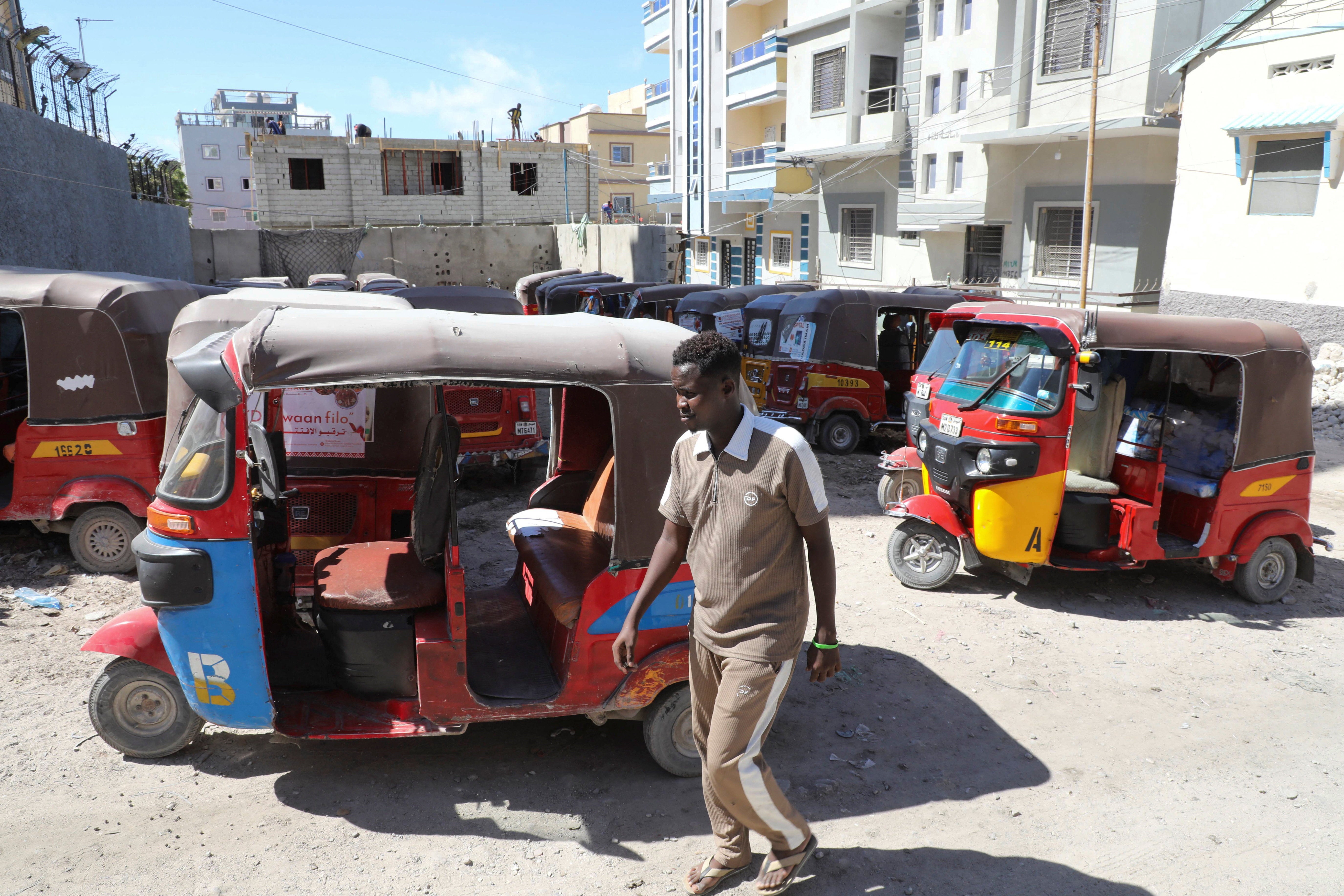
Tuk-tuk drivers across Somalia’s capital are abandoning their livelihoods as soaring fuel prices, driven by disruptions to global oil shipments linked to the Iran conflict, render their businesses unsustainable.
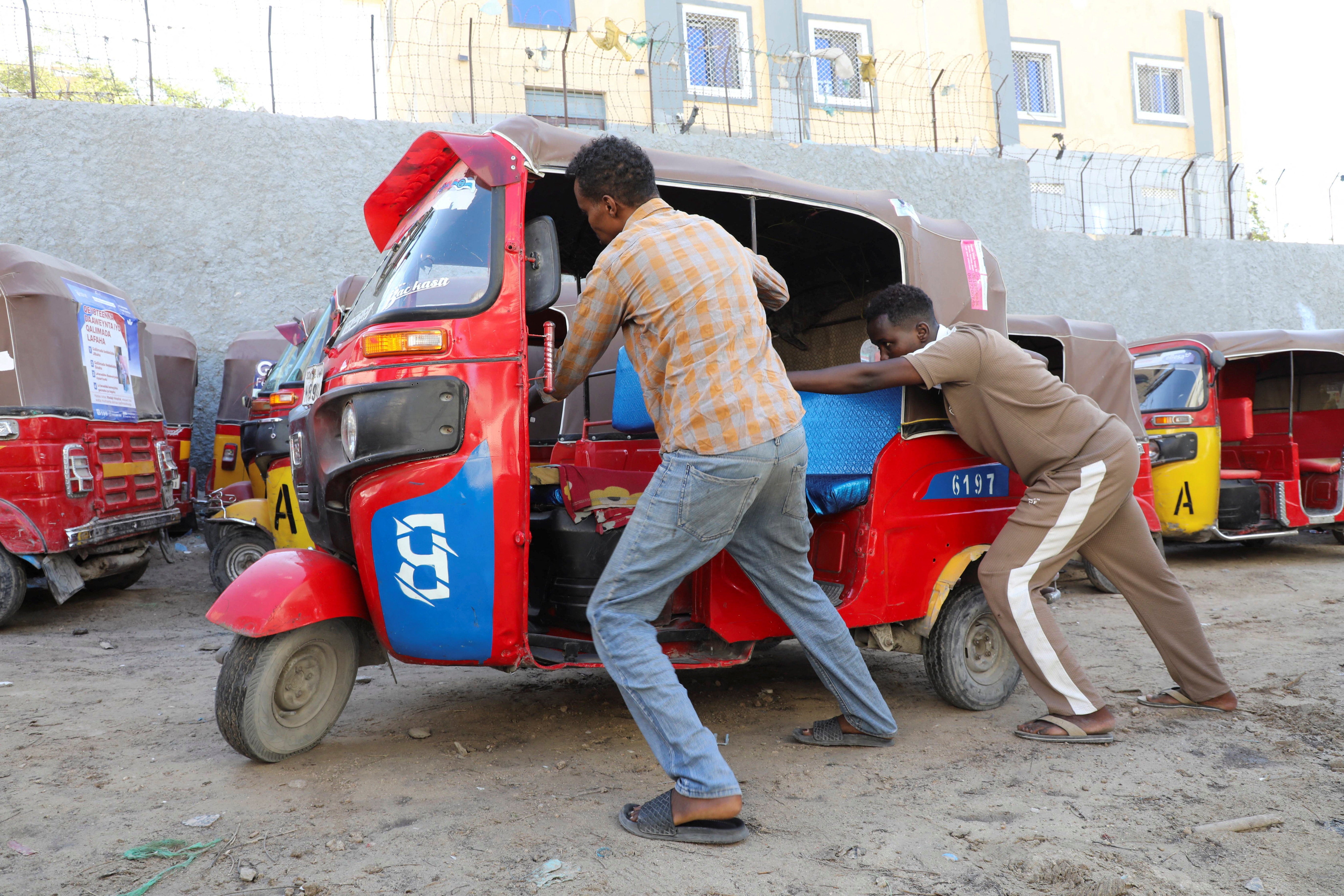
With increased fares, passenger numbers have plummeted, forcing many three-wheeler operators to park their vehicles in Mogadishu.
The ongoing conflict has severely impacted the passage of approximately one-fifth of the world's oil and liquefied natural gas through the critical Strait of Hormuz.
This has left African nations particularly vulnerable to the resulting spikes in fuel and food costs.
"There are no passengers. People stay home or walk on foot. We raised fares because fuel prices went up," Hasan Suleiman, a 21-year-old tuk-tuk driver, told Reuters in Mogadishu.
"The city has few passengers and they won't pay the higher fares. We have inevitably parked the tuk-tuks," he said.
Fuel prices in some parts of Somalia have more than doubled, raising transportation costs for passengers and businesses.
Already 6.5 million people, roughly a third of the Horn of Africa country's total population, face severe hunger amid drought.
"The tuk-tuk needs fuel, and I need to provide for my family from what it earns. We are in a very bad condition," said Jamal Omar, a 55-year-old tuk-tuk driver.
Oil prices were up again on Thursday after an earlier dip. Brent crude, the international standard, rose 1.3 per cent to $98.51 per barrel. It was below $95 on Wednesday. Benchmark US crude was 1.6 per cent higher at $91.75 a barrel.
The rise in oil prices came as Iran on Wednesday dismissed a ceasefire plan by the US.
Washington had offered a 15-point proposal to Iran and president Donald Trump had delayed a self-imposed deadline to “obliterate” its power plants in order to force Tehran to reopen the Strait of Hormuz.
Iran also conducted more attacks on Israel and Gulf Arab countries after Israel launched airstrikes on Tehran and the US prepared to deploy more troops to the region.
As the Strait of Hormuz, a crucial waterway between Iran and Oman through which a fifth of the world’s oil typically passes, remains shut, oil prices continue to fluctuate, climbing around 40 per cent since the beginning of the war, which is now in its fourth week.