Trump’s regulations have seen 5 million people leave the food stamp program


Some 22 percent of Americans worry daily about being able to afford food for themselves or their families, a new poll found
The number of Americans receiving food assistance through the Supplemental Nutrition Assistance Program has fallen by more than five million over the past year, following restrictions imposed by President Donald Trump’s “Big Beautiful Bill.”
SNAP enrollment dropped from 41.6 million in July 2025 to 36 million this July, according to new data from the Department of Agriculture.
The “Big Beautiful Bill,” a sweeping tax-and-spending law enacted in July 2025, expanded work requirements and shifted more of the program’s costs to states. The Congressional Budget Office estimated that the legislation would reduce federal SNAP spending by about $187 billion through 2034.
The changes affect a decades-old program that helps low-income households buy groceries, including families with children, older adults and people with disabilities.Nearly three-quarters of 48 of the largest food banks saw an increase in demand over the past year, according to an NBC News analysis.
Republicans have defended the restrictions as a way to curb waste, strengthen oversight and encourage recipients to work. Democrats have countered that the cuts take food assistance from vulnerable Americans to help finance tax breaks for the wealthy.
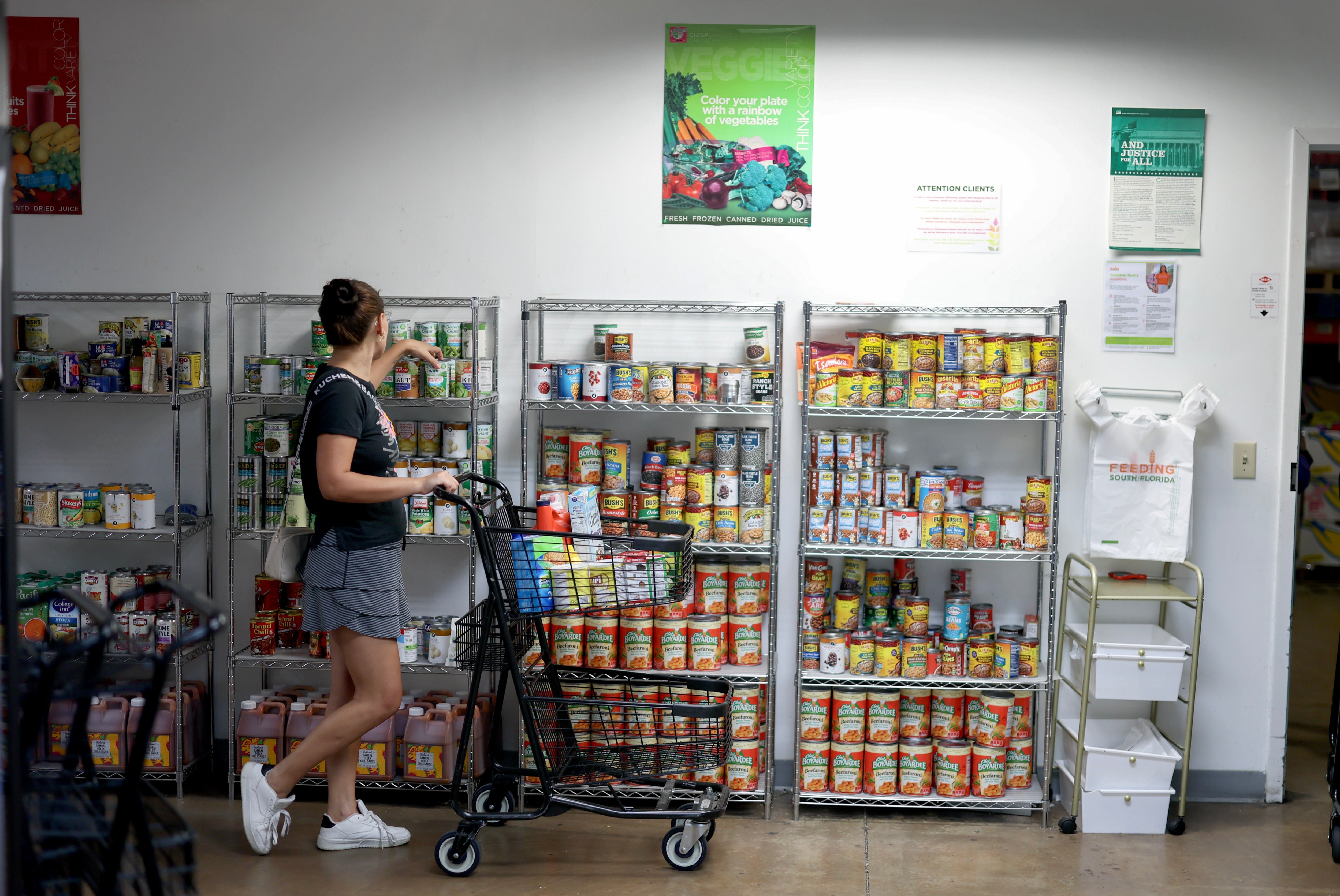
The share of people that lost SNAP benefits varied widely based on the state. In Arizona, for instance, the number of enrollees fell from about 882,000 to roughly 433,000, marking a 50 percent reduction. In Florida, it fell from 2.8 million to 2.2 million — a 22 percent decline. In Alaska, it only fell 3.5 percent.
The 2025 law expanded existing work requirements to cover adults ages 18 to 64, up from 18 to 54, and adults whose households include children ages 14 to 17 but no younger children.
Unless they qualify for an exemption, those recipients must work or participate in qualifying activities, such as approved volunteer work or training, for at least 80 hours a month to receive benefits.
The law also scrapped automatic exemptions for veterans and people who are homelessness.
“For far too long, the SNAP program has drifted from a bridge to support American households in need to a permanent destination riddled with bureaucratic inefficiencies, misplaced incentives, and limited accountability,” Rep. Glenn Thompson, a Pennsylvania Republican, said last year. “This portion of the One Big, Beautiful Bill restores the program’s original intent, offering a temporary helping hand while encouraging work…”
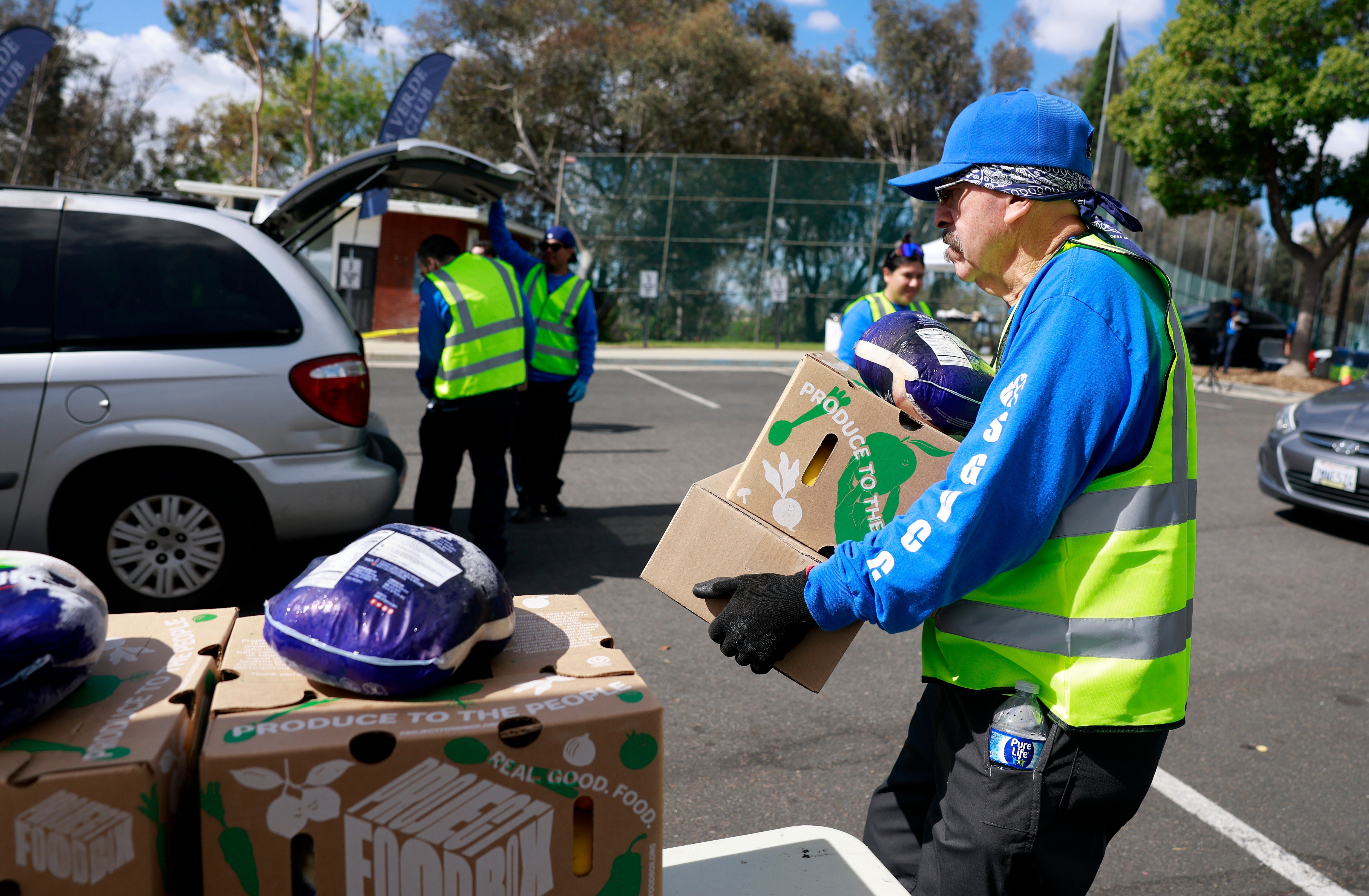
Democrats have struck a markedly different tone, emphasizing that the changes come as Americans face a rising cost of living.
“Instead of working to lower grocery costs as they promised the American people they would, House Republicans are pulling the rug out from under millions of families by taking away federal assistance to put food on the table,” Senator Amy Klobuchar, a Minnesota Democrat, said last year.
“They’re doing that even as President Trump’s tariff taxes raise food prices by more than $200 for the average family, all to fund more tax breaks for the wealthy. That’s so very wrong.”
Some 22 percent of Americans worry daily about being able to afford food for themselves or their families, according to a new Pew Research Center survey.