Trump could send 1,100 Afghans who helped US in war to African nation: report

Thousands of Afghans who helped the United States’ war effort between 2001 and 2021 could be forced to choose between going back to a Taliban-run Afghanistan or resettling in the Democratic Republic of the Congo, which is facing one of “the most complex humanitarian crises” worldwide.
The group of Afghans, some of whom worked as interpreters for the U.S. military or are former members of the Afghan Special Operations forces, and their families have been living in Qatar while trying to obtain U.S. visas after the Fall of Kabul in 2021.
Initially, the U.S. government had promised to help resettle Afghans who had aided the U.S. and now face dire threats to their lives in Afghanistan.
But after President Donald Trump halted the program in January, following the deadly shooting of a National Guard member, thousands of Afghans, more than 400 of whom are children, have been left waiting, the New York Times reported.
Advocates say the ongoing discussion between the president and the DRC appears to be a way for the U.S. to “wash their hands” of Afghans who helped the U.S. and that returning them to Afghanistan would mean “certain death.”
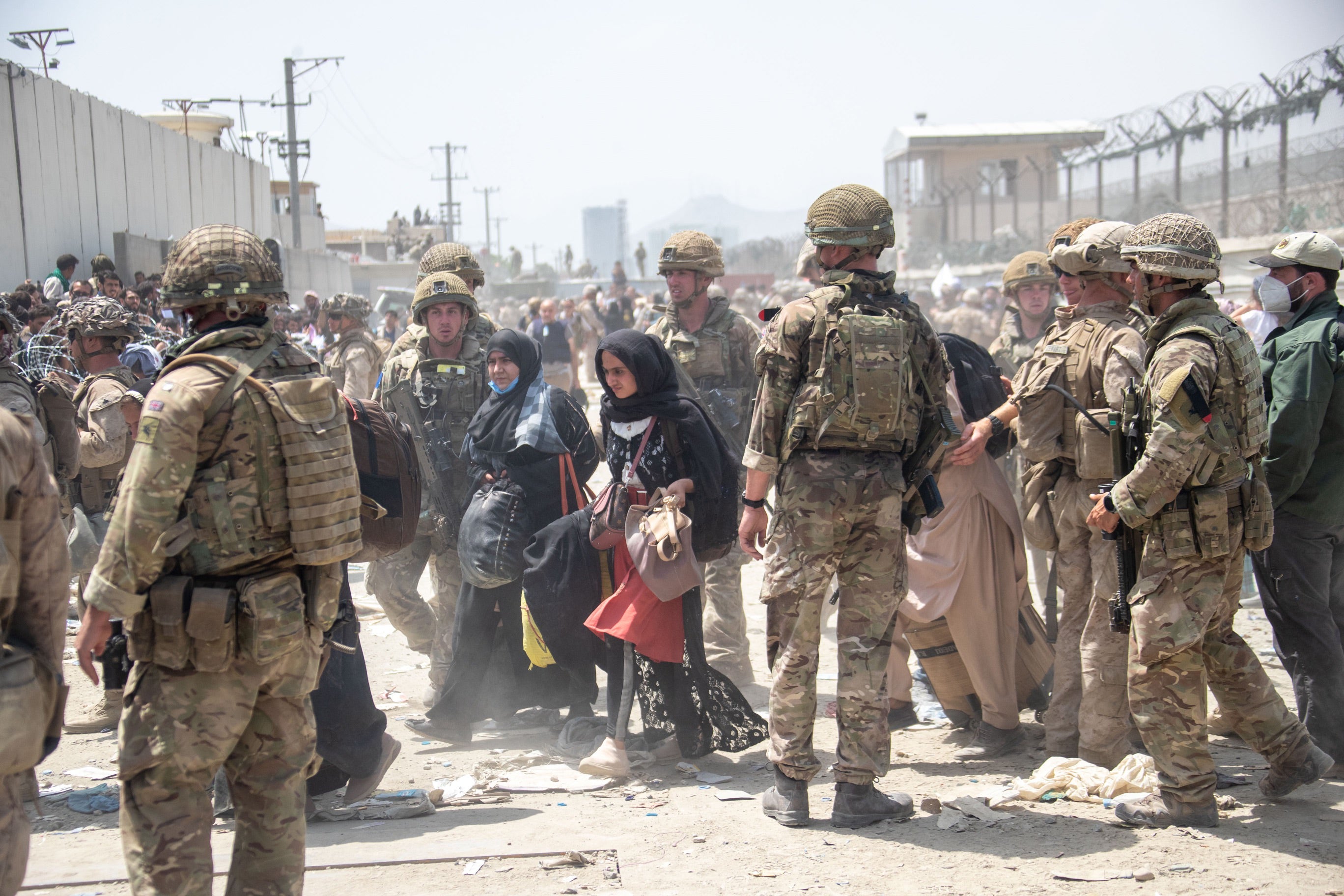
Details about the plan, such as how many Afghans would go to the DRC and when it could begin, are unclear at this time.
Shawn VanDiver, the president of #AfghanEvac, a nonprofit that provides resources for Afghan allies and ensures cooperation between the U.S. government and volunteer groups, told the New York Times and Reuters that U.S. officials had briefed him on the DRC plan.
"I worry that this is just a way for State to wash their hands of these folks, many of whom are women, children, and family of U.S. military, that will ultimately result in them becoming stateless or having to go back to certain death in Afghanistan," VanDiver told Reuters.
A State Department spokesperson told The Independent it was still working to find voluntary resettlement options for residents of Camp As-Sayliyah, the former U.S. military base in Qatar where Afghan allies are residing – and that the U.S. was in communication with residents on those options.
Between 2021 and 2025, the U.S. helped nearly 200,000 Afghans, according to documents seen by CBS News.
The State Department spokesperson added that moving Afghans to a third country would provide people with a chance to start a new life outside of Afghanistan while maintaining the safety and security of the United States.
However, VanDiver disagreed.
“They know that Afghans are not going to accept the DRC Why would you go from the world’s No. 1 refugee crisis to the world’s No. 2 refugee crisis?” VanDiver said to the New York Times.
For many Afghans who aided the U.S. during the Afghanistan War, going back to their home country would mean deadly consequences.
Taiba Nawabi, a 27-year-old Afghan woman temporarily living in Pakistan, was physically attacked by members of the Taliban in her own home after it reclaimed power in 2021.
Nawabi told WBUR the Taliban attempted to behead her husband because she worked for a non-governmental organization that focused on women's issues and collaborated with the U.S. government during the war.
But resettling in the DRC, with an ongoing humanitarian crisis, may not be a reliable option for a new life.
Nearly 7 million people have been internally displaced due to the severe crisis, the United Nations Refugee Agency estimates. That’s on top of the more than 500,000 refugees and asylum seekers who are living in the DRC to escape violence in neighboring countries.
Human rights activists told the New York Times the country is not equipped to take on more refugees.