New US weapons for Taiwan set to be approved amid China’s disapproval
A substantial US arms package for Taiwan, featuring advanced interceptor missiles, awaits President Donald Trump's final approval and could be signed following his upcoming visit to China, according to sources briefed on the discussions.
Valued at approximately $14 billion, this proposed deal would represent the largest ever for the self-governing island, which is under increasing military pressure from Beijing.
Sources within the administration indicated that the agreement has been kept confidential ahead of Mr Trump's scheduled trip to Beijing from 31 March to 2 April, where he is set to meet President Xi Jinping.
An announcement is anticipated after his return. President Xi had previously cautioned Mr Trump in February that arms sales to Taiwan, which China considers its own territory, demand "prudence."
Concerns have been voiced by some China observers that Mr Trump's pursuit of a favourable trade deal with Beijing might lead him to reduce US military backing for Taiwan.
However, the readiness of this arms package for approval suggests the administration intends to uphold, or even bolster, its support, thereby assuaging anxieties in Taipei. The consignment primarily comprises PAC-3 and NASAMS air defence missiles, one source confirmed.
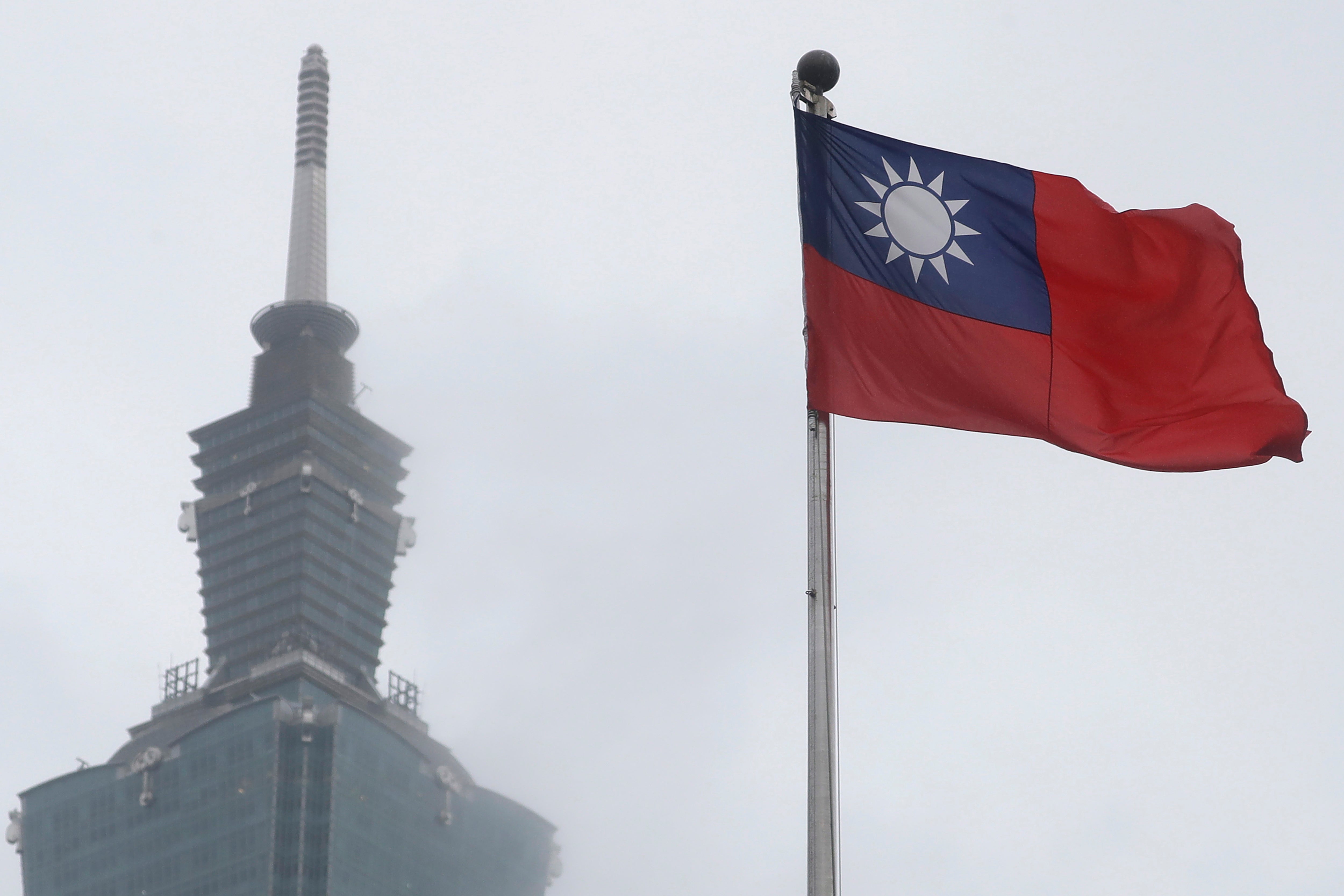
"As soon as the president gives the thumbs up, those are ready to be officially announced. Everything is done," said the source, who, like the others, spoke on condition of anonymity, given the sensitivity of the matter.
Another $6 billion in "asymmetric" defense capabilities was also awaiting approval and could be announced in linked or subsequent packages, the source added. The source declined to specify what those capabilities are.
Trump's National Security Strategyissued last year says deterring conflict over Taiwan is a priority for Washington, "ideally by preserving military overmatch."
But Trump's comments, including a February remark to journalists that he was "talking" to Xi about Taiwan arms sales, have stirred speculation that he could scale back the long-standing US practice of providing Taiwan with the means to defend itself, which is written in to US law.
Last month, the New York Times reported the package had been delayed to avoid upsetting Xi ahead of Trump's China visit.
Nonetheless, Trump's arms sales approvals to the island in his second term have already surpassed the amount approved by his Democratic predecessor Joe Biden over four years, including an $11 billion package in December for various missiles, drones, artillery and aircraft parts.
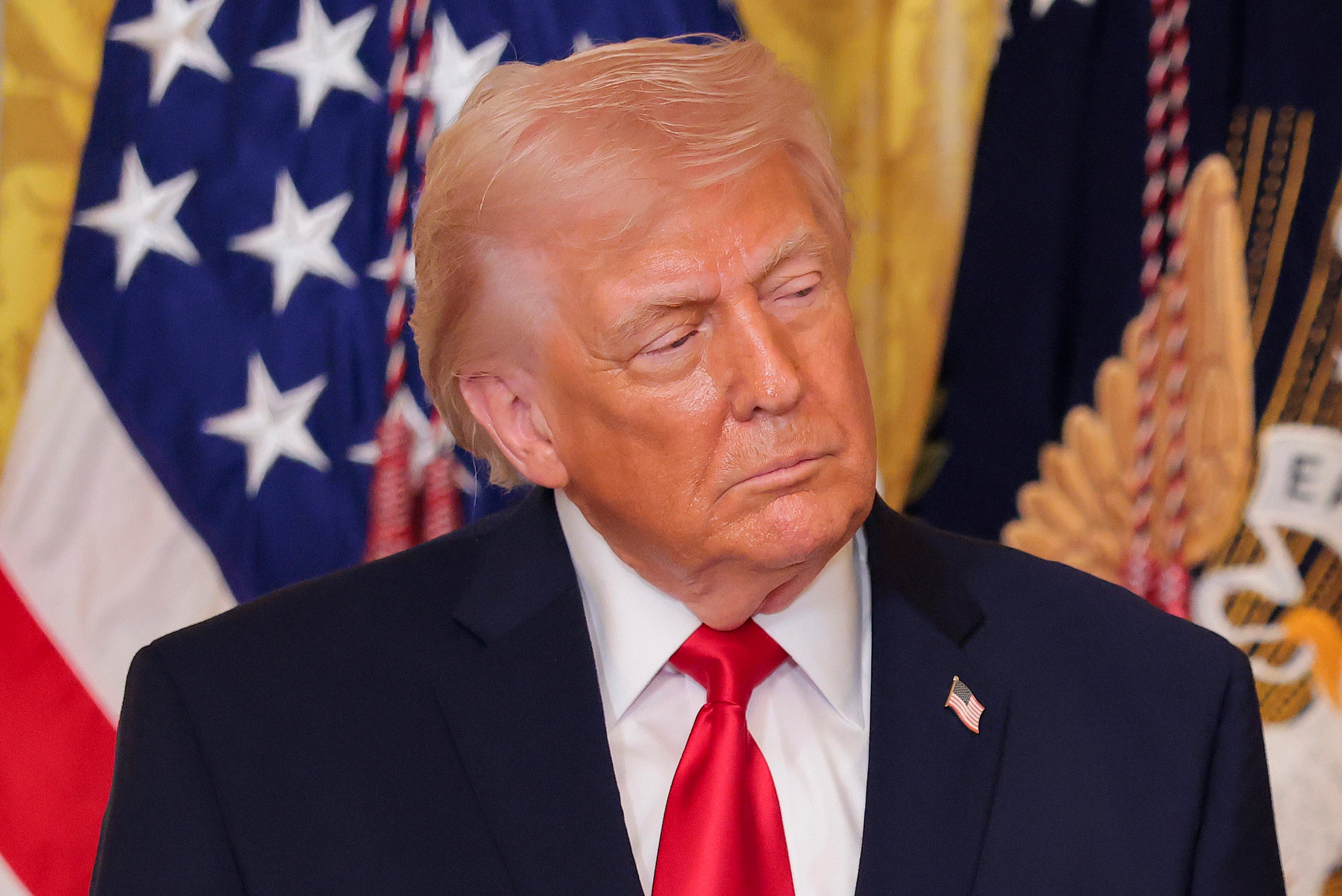
Taiwan's parliament authorised the government on Friday to sign contracts for four weapons systems included in that $11-billion package ahead of lawmakers' formal spending approval, to ensure the deal met a signing deadline.
Analysts say U.S. administrations going back decades have timed weapons approvals for Taiwan around sensitive political engagement with Beijing.
China's foreign ministry said in a statement to Reuters that the government's "opposition to US arms sales to China's Taiwan region is consistent and unequivocal."
China, which considers Taiwan its own territory, regularly demands that the US stop selling it weapons.
In response to questions to the White House, a senior US official confirmed more weapons approvals were in the works.
"Arms sales are working their way through the process. There is no change to our policy with respect to Taiwan," the official said.
Two Taiwan sources familiar with the matter said that Washington has repeatedly assured them of its support.
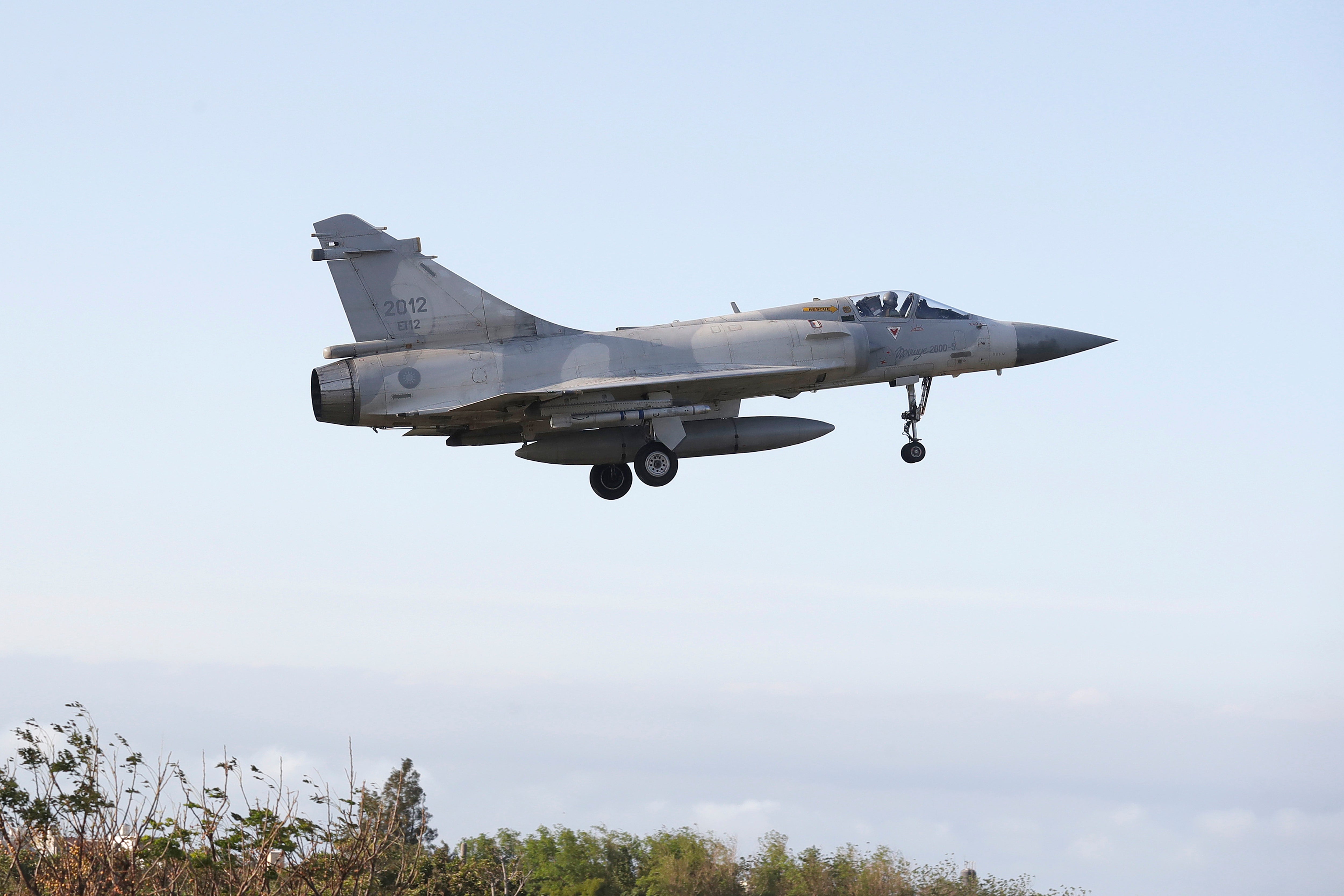
But the upcoming summit has been a source of uncertainty.
Beijing was seeking to delay US arms sales to Taiwan and has been trying to create a better atmosphere ahead of the summit, including by toning down military pressure on the island, another Taiwan source familiar with the matter said.
"We have confidence in Trump, though. Beijing has underestimated the strategic vision of the White House," the source said.
Taiwan's defense ministry told Reuters that its arms procurement projects have completed "preliminary coordination" with the US side, and the US Defense Security Cooperation Agency has provided information on items to be purchased and delivery schedules.
Taiwan's defense ministry said in January that an arms deal with the US covering four items was in the offing, but said it could not give details before they were provided to the US Congress, the usual process for approval of such sales.
The US State Department has said it supports increased defense spending by the island. Raymond Greene, Washington's top diplomat in Taiwan, said in January that the US was "fully committed to delivering critical systems as quickly as possible."