Trump approval rating is historically low for a president heading into the midterms


The last time a sitting president faced approval ratings this low heading into a midterm election was Harry Truman in 1946
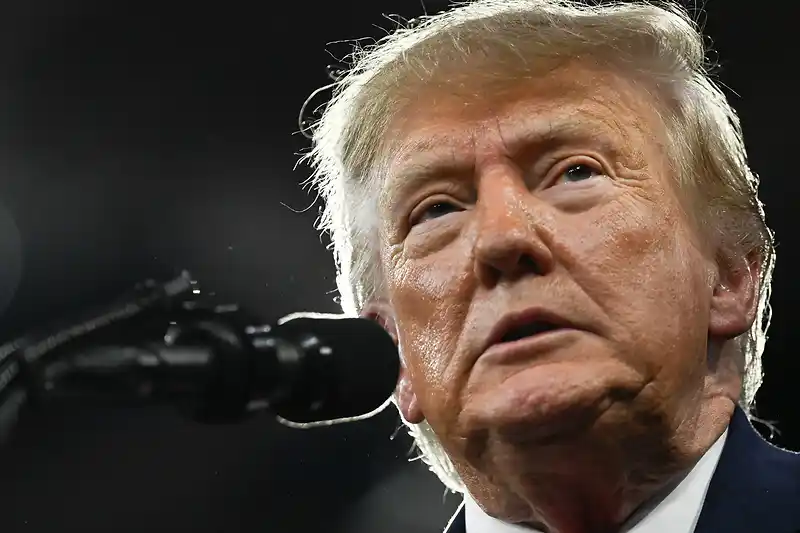
Republicans are facing a difficult political environment ahead of November’s midterm elections, driven in large part by President Donald Trump’s historically low approval ratings.
With the pivotal elections approaching, Trump’s approval rating dropped to 30 percent earlier this month, according to polling from the Pew Research Center. The slump marks the lowest point of his second term and represents the lowest level any sitting president has reached heading into the midterms since Harry Truman in 1946, as reported by TIME.
“This is historically low approval ratings for a president,” Peter Enns, a professor in the department of government at Cornell University and co-founder of the survey research company Verasight, told TIME.
Data indicates that much of the public discontent with the administration stems from economic performance. An Associated Press-NORC Center for Public Affairs Research poll released earlier this month found that only 26 percent of U.S. adults approved of how Trump was tackling the economy, and just 17 percent approved of his handling of the cost of living.
Foreign policy has generated similar pushback. The same AP-NORC poll showed that only 28 percent of respondents expressed support for Trump’s handling of the war in Iran.
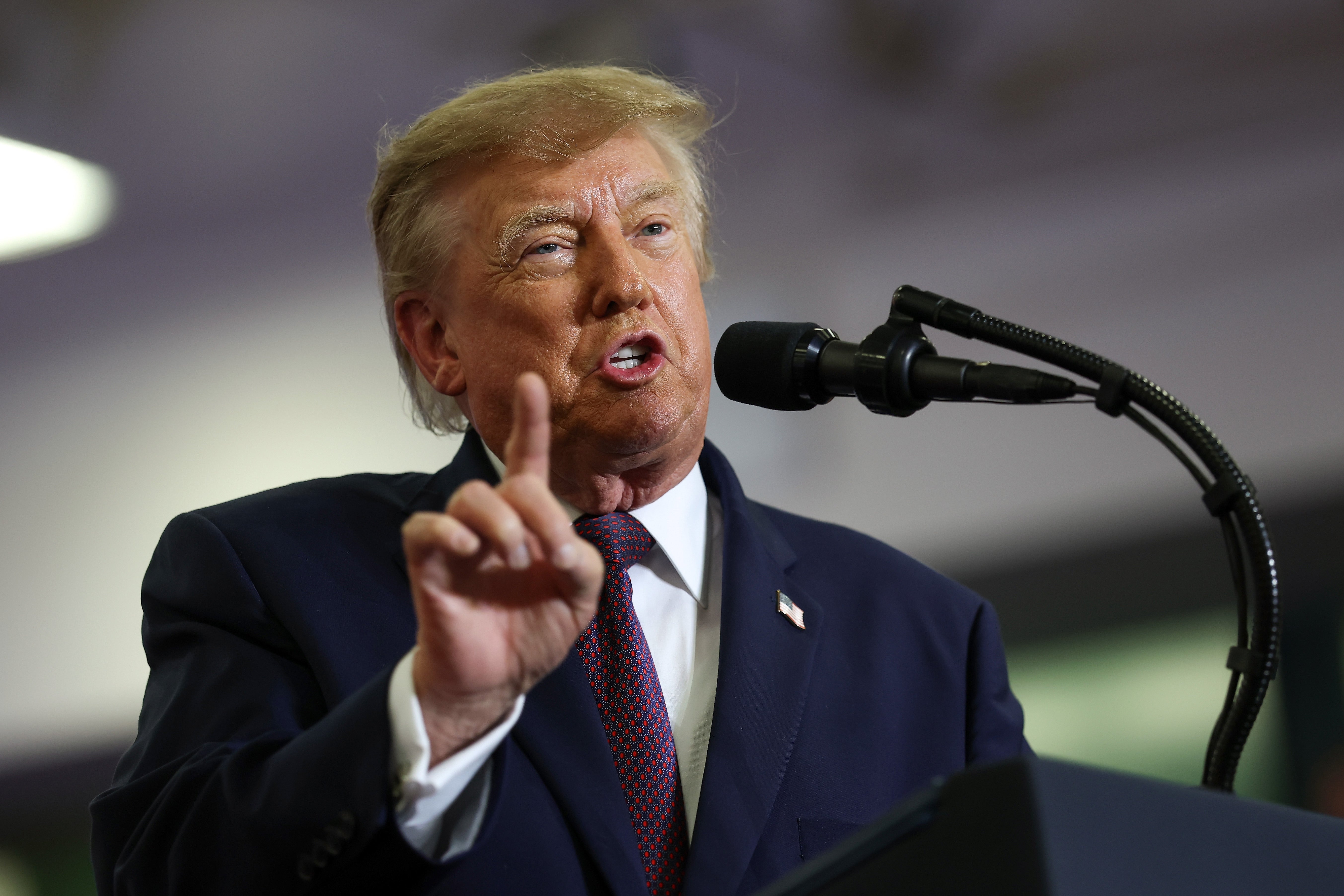
“Part of the reason Trump’s approval ratings are so low is he’s pushing policies and pushing positions that are very unpopular, and so the conflict in Iran is a great example; the public understands that this was Trump’s decision, and they understand this connects to extremely high gas prices,” Enns told TIME. “It’s very unusual for a President to position himself on the side of so many unpopular positions.”
These voter priorities could prove decisive at the ballot box. Pew Research data shows that 84 percent of registered voters rank the economy as a “very important issue” heading into the midterms, while 57 percent say foreign policy is “very important” to their vote.
Midterm elections are routinely difficult for the party controlling the White House, as voters frequently express frustration with the sitting administration. This dynamic is a “well-known phenomenon” resulting from dissatisfaction among both opposition voters and a president's supporters who feel policy progress has lagged, Enns told TIME.
“That doesn’t mean everybody’s changing their vote,” Enns said. “It just means the backlash, the tides, are working against the incumbent president.”
Costas Panagopoulos, a professor of political science at Northeastern University, told the magazine that voters often sought “partisan balance in Washington,” particularly when one party held unified control over the executive and legislative branches.
“There’s simply nobody else to blame for government actions and current policies if voters are unhappy with those besides the Republican Party [right now],” Panagopoulos said. “It’s very easy for [voters] to point the finger to the Republicans if they’re not happy with what they’re seeing.”
Though historical precedents usually favor the opposition party, rare exceptions have occurred. Following the September 11 terrorist attacks, President George W. Bush maintained a 63 percent approval rating, allowing Republicans to gain seats in both the House and Senate during the 2002 midterms.
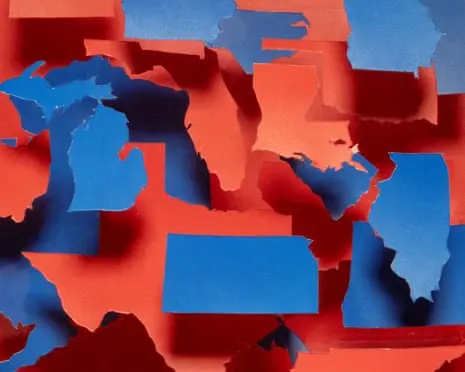
Current polling metrics favor Democrats in voter engagement. A recent PBS News/NPR/Marist poll showed that 91 percent of Democrats expressed enthusiasm about voting in the midterms, compared to 86 percent of Republicans. Democrats have also shown strength in competitive state races, including in Texas, where Democratic Senate candidate James Talarico holds a narrow lead in polls over Republican candidate Ken Paxton.
“I think we can expect Republicans to be facing an uphill battle at the polls,” Panagopoulos said. “We can expect that they will likely lose seats in the House and also the Senate. And the question is, will they lose enough seats to lose the majority in either or both those chambers?”
Related Articles
- World News
Trump dismisses polls, insists his approval rating is 60%
- World News
Trump dismisses polls, insists his approval rating is 60%
- World News
Trump claims US has best healthcare in the world even if it doesn’t cover everyone
- World News
US consumer sentiment nears lowest point since index began
- Politics News
What are the races to watch in the US midterm elections and why do they matter?