The scale of Russia’s war on Ukraine laid bare as leak shows 500,000 dead
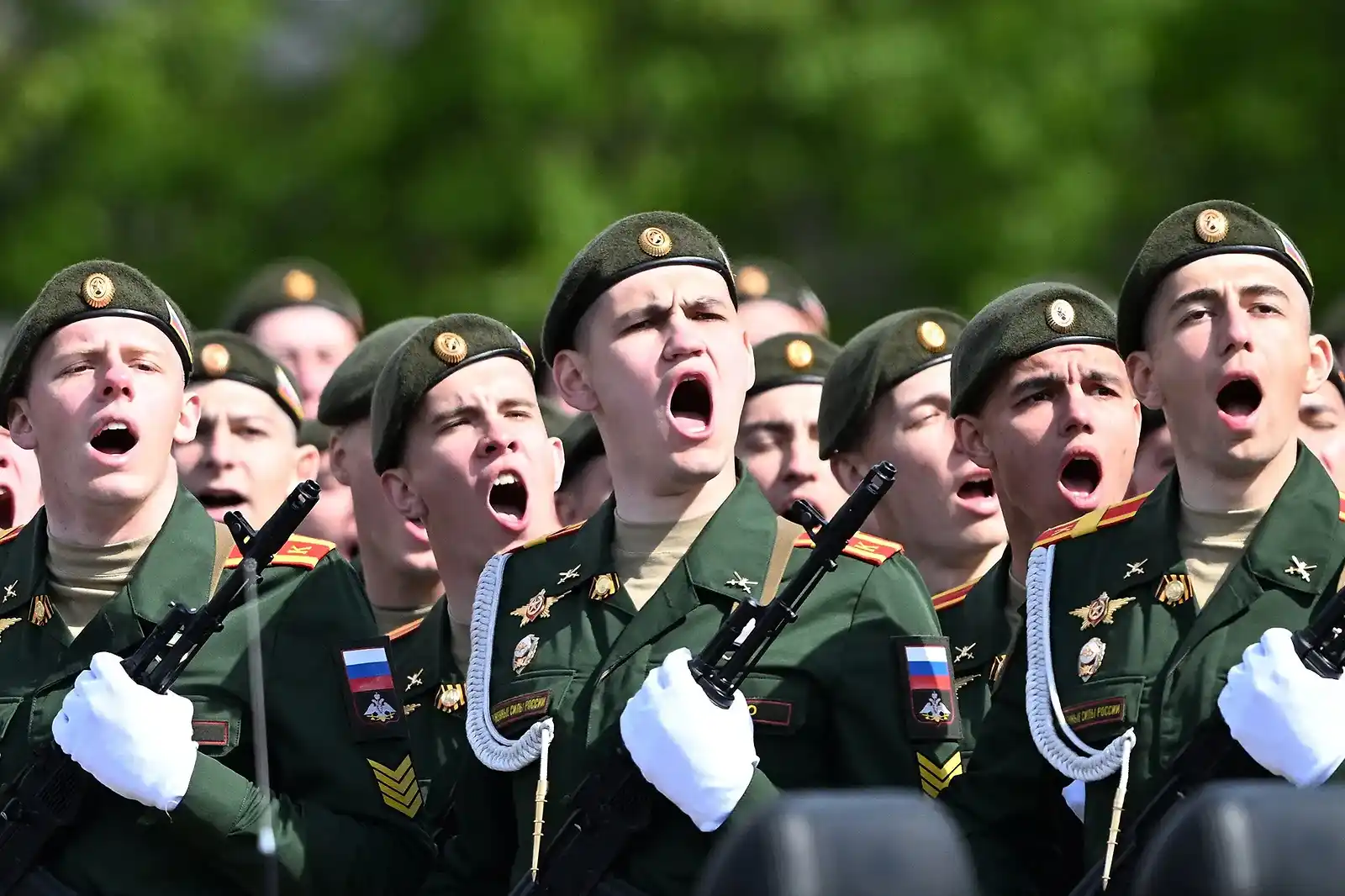
Vladimir Putin still demands huge concessions from Ukraine, but leaked data from his main stats agency suggests the losses are only getting worse with time, writes James C. Reynolds
Nearly 500,000 Russian soldiers have been killed in almost five years of war with Ukraine, according to confidential government figures leaked this week.
Data from the state statistics agency Rosstat shows that at least 490,334 Russian soldiers have been killed in the conflict since February 2022, according to analysis by the BBC.
The figures show how the invasion became the leading cause of death for 18-24 year olds in Russia, with 65% of those who died last year killed in the conflict.
It also sheds light on the monumental losses sustained to make limited advances into Ukraine, with some 20,000 soldiers dying for control of 10 villages with a total pre-war population under 12,000.
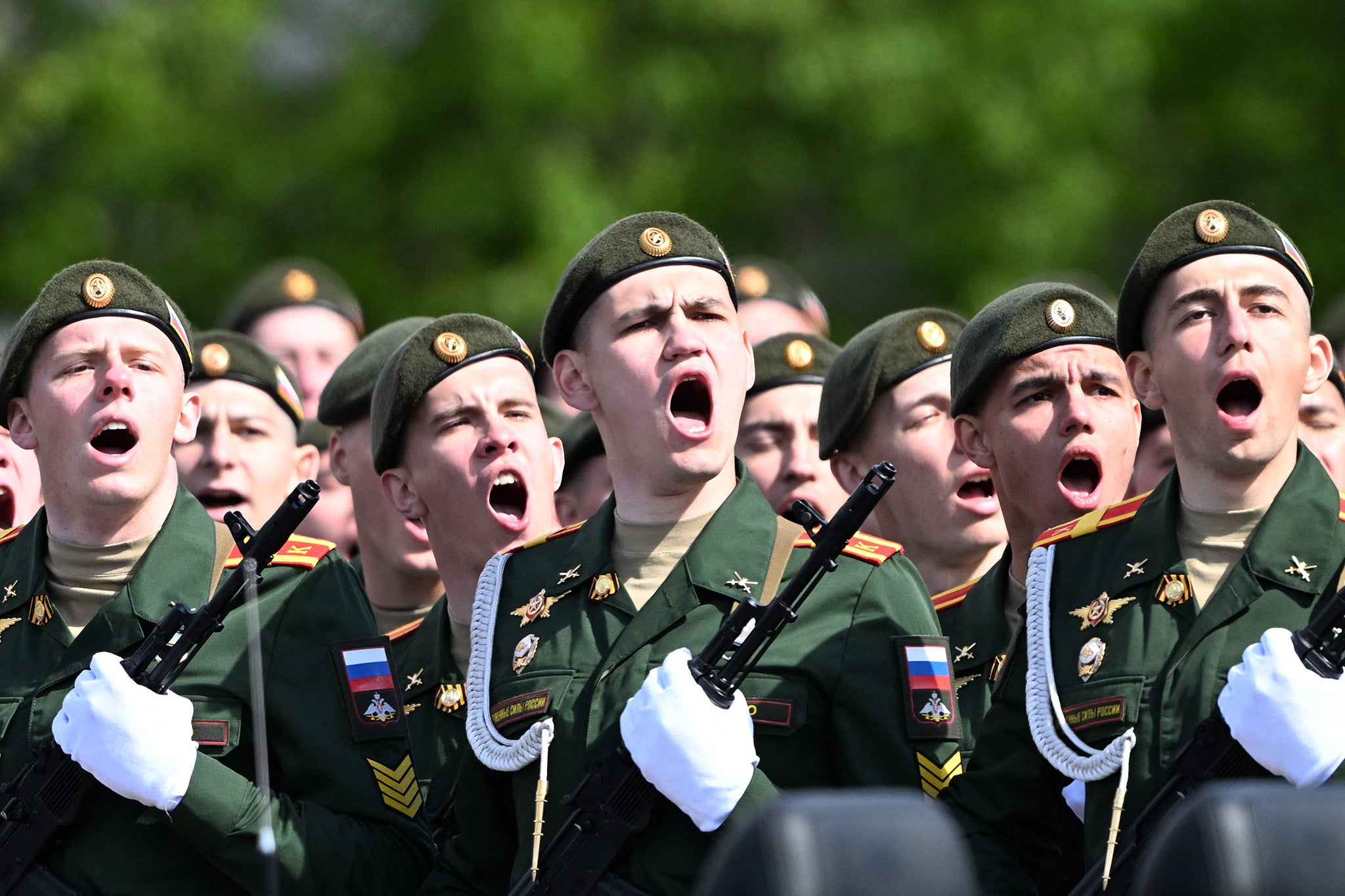
Ukraine reported this summer that 50,000 personnel had been killed since the 2022 invasion, a tenth of the figure recorded by Rosstat.
And the Ukrainian military estimates that Russia has now taken more than 1,643,000 casualties, including dead and wounded - more than three times the figure last reported by Kyiv.
Russian casualty rate climbs as war held to impasse
A corpus of 11 million death certificates collected from February 2022 to September 2026 suggests that casualty rates have steadily increased for Russia over the duration of the war.
The information was initially obtained by the hacking groups Cyber Partisans and Silent Crow, who claimed to have obtained mortality data within dozens of terabytes of information from Rosstat.
The upward casualty rate seems to have peaked at 5,352 deaths per week in March of last year, although the BBC notes delays in the reporting of deaths thereafter and incomplete data for 2026.
Russia currently occupies the majority of a fortified eastern region known as the Donbas, but has struggled to expand its control of Ukraine.
Around 325,000 troops may have been killed in the fiercely contested Donetsk region alone, according to a separate analysis by independent Russian outlet Agentstvo.
The Rosstat leak also suggests that more than 1,000 Russian soldiers have taken their own lives since the invasion of Ukraine, according to further analysis by The Guardian.
The figures rise significantly when including soldiers reported missing; analysis by exiled Russian outlets Meduza and Mediazona tallied 490,000 losses up to September 2026, rising past 700,000 when accounting for those missing in action.
Ukraine, like Russia, does not publicly report on its own casualties, citing operational secrecy. But Ukrainian president Volodymyr Zelensky said late in July that Kyiv had suffered around 450,000 casualties, including 50,000 deaths and 400,000 wounded.
Over 430,000 casualties recorded this year
Ukraine’s general staff reported on November 25 that Russia had taken 2,091 casualties in the past day alone, reflecting a steady upward trend since 2022.
By comparison, Moscow was taking a mean average 415 casualties each day in October 2022; 709 in October 2023; 1,354 in October 2024; and 1,008 in October 2025, based on estimates from the Center for Strategic and International Studies (CSIS).
Ukraine assessed in September that Russia had taken 300,000 casualties so far this year - 18% of the casualties in 16% of the time since the invasion. On Tuesday, 24 November, the figure had risen to 432,519 casualties.
Western officials believe the toll is becoming unmanageable for Russia and in August estimated that the Kremlin was losing six thousand more troops per month than it was able to enlist.
The trend has only worsened, with October 2026 becoming the deadliest month for Russian combat losses since 2022, according to Ukraine’s general staff.
The American CSIS estimated in January that Russia was then taking casualties at a ratio of around 2:1, or “2.5:1”. Modern militaries hold as a rule of thumb that an attacking ground force should outnumber defenders by around 3:1 to have a good chance of overwhelming a prepared opponent.
Putin can still draw on a much larger population to prosecute his war, even five years in. In September, he authorised another expansion of the military - the fourth this year - allowing Moscow to stand 2,441,630 units, including 1,550,500 active duty military personnel. Up to 640,000 Russian troops are currently deployed against Ukraine, the European Parliament estimated in February.
Ukraine had a comparative force of around 677,000 active duty personnel available last year, up from 209,000 in 2021, although estimates vary.
‘More than 113,000’ civilian casualties since 2022
The growing exchanges this year has seen a “dramatically” higher toll of civilian casualties in Ukraine than in any year since the full-scale invasion in 2022, according to the UN.
New data shows that in October 2026, the number of civilians killed (372) and injured (1981) - was 95 per cent higher than in October last year, according to the UN Human Rights Monitoring Mission in Ukraine (HRMMU).
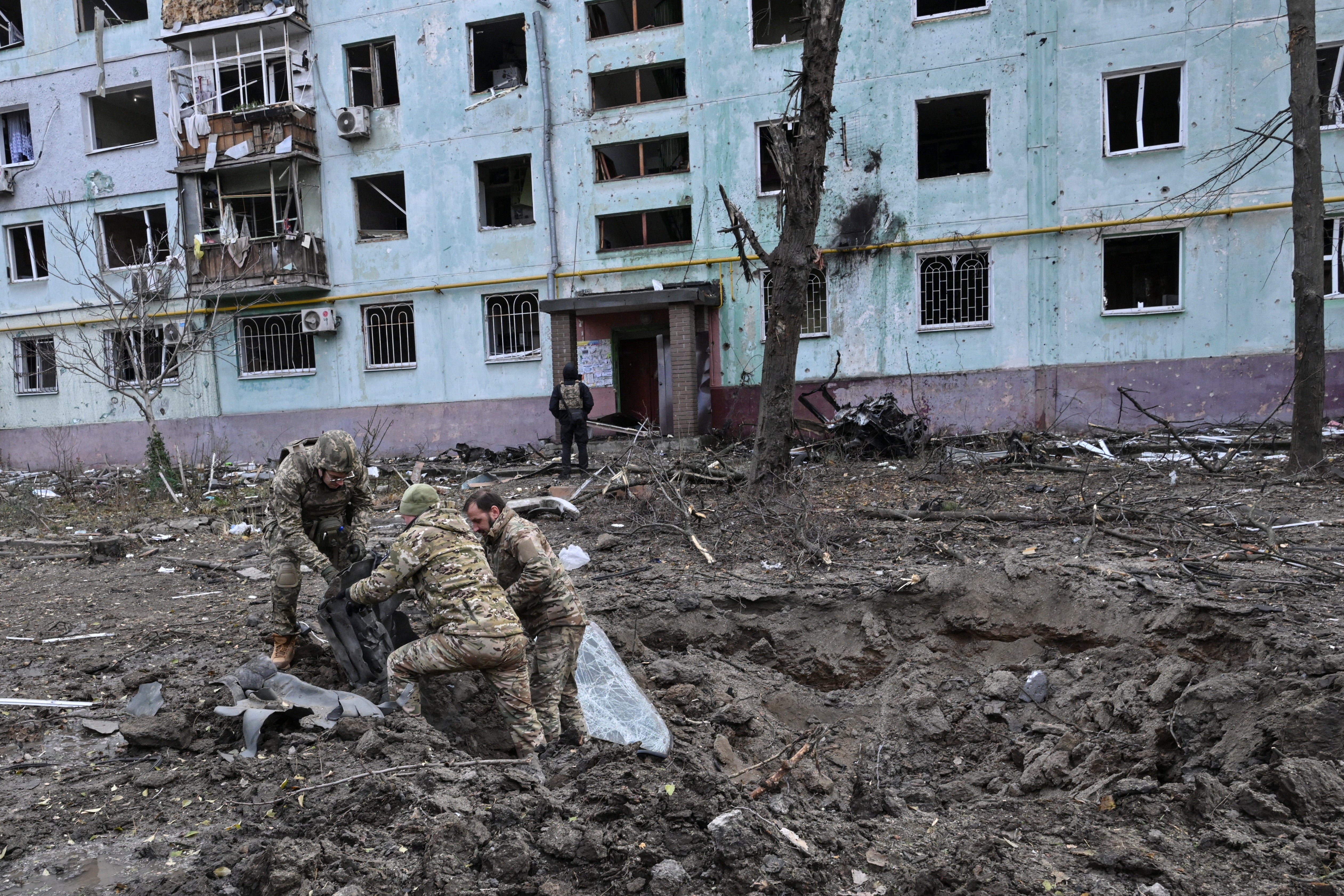
Almost 18,000 civilians have been killed and almost 58,000 have been injured in Ukraine alone since the invasion, the UN said. And the figure continues to climb as Russia ramps up its attacks on areas housing civilians.
On November 2, a school in Komyshuvakha, southeastern Ukraine, was hit by several bombs, killing at least 72 people and leaving four missing, according to local authorities.
The UNHCR said Russian long-range drone and missile strikes remain the leading cause of all civilian casualties in Ukraine, accounting for 55 per cent of the tally for October. Moscow has denied deliberately targeting civilian targets in Ukraine.
There is no comprehensive, verified figure for the number of Russian civilians killed during the war in Ukraine. But Russia’s permanent representative to the UN, Vassily Nebenzia, claimed this month that Ukrainian attacks had caused “about 37,000 civilian casualties” including 9,200 deaths and nearly 28,000 injured between February 2022 and late September 2026.
“The third quarter of 2026 was particularly bloody,” he acknowledged. “Almost 102,000 munitions were recorded to have been fired at civilian facilities in Russia, an increase of 85 per cent compared to the previous period.”
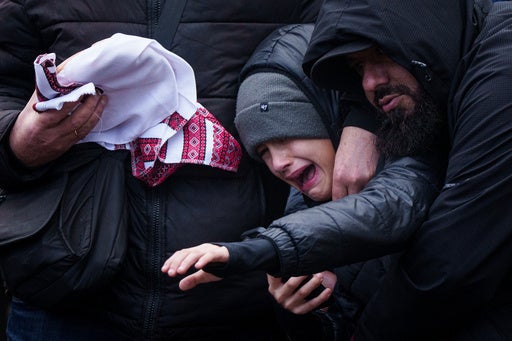
Between July and September, Nebenzia said, 631 people were killed and another 4,400 were injured, averaging 54 casualties every day.
Nebenzia did not provide evidence for his claims and it was unclear whether he was referring to Russian territory or territory in occupied Ukraine. Ukraine also denies deliberately targeting civilian targets.
Russia and Ukraine last month finally agreed to a humanitarian ceasefire to evacuate the devastated Ukrainian town of Oleshky, where some 6,000 residents had been trapped without regular access to food, water or electricity. Many were said to have resorted to cooking garden weeds and pigeons to survive.
No end in sight as war approaches five-year anniversary
Talks aimed at ending the conflict restarted in Abu Dhabi this month but diplomats came away without a clear breakthrough.
Russian forces have been subjecting Kyiv and other Ukrainian cities to near-constant attacks since September, hoping continued pressure will hand them leverage in future talks.
But Ukraine has pushed back in recent weeks with debilitating attacks on the bridge connecting Russia to occupied Crimea and wider strikes on targets in Libya and the Gulf of Finland.
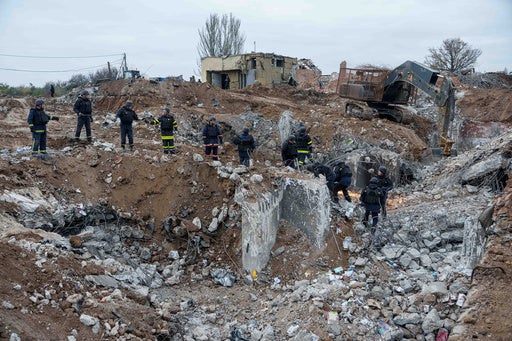
Kyiv has also piled pressure on to Moscow to end the war with growing strikes on energy infrastructure and big businesses in Russia, squeezing the economy behind its war machine.
But Zelensky says Ukraine will still need to find a further $25bn in external support just to keep it in the fight next year.
And Russia appears to retain its maximalist demands of Ukraine, urging Kyiv to give up huge swathes of its territory in exchange for peace as US president Donald Trump accuses Zelensky of prolonging the war.