Police investigate California man after fake AI snake photo triggers emergency hunt
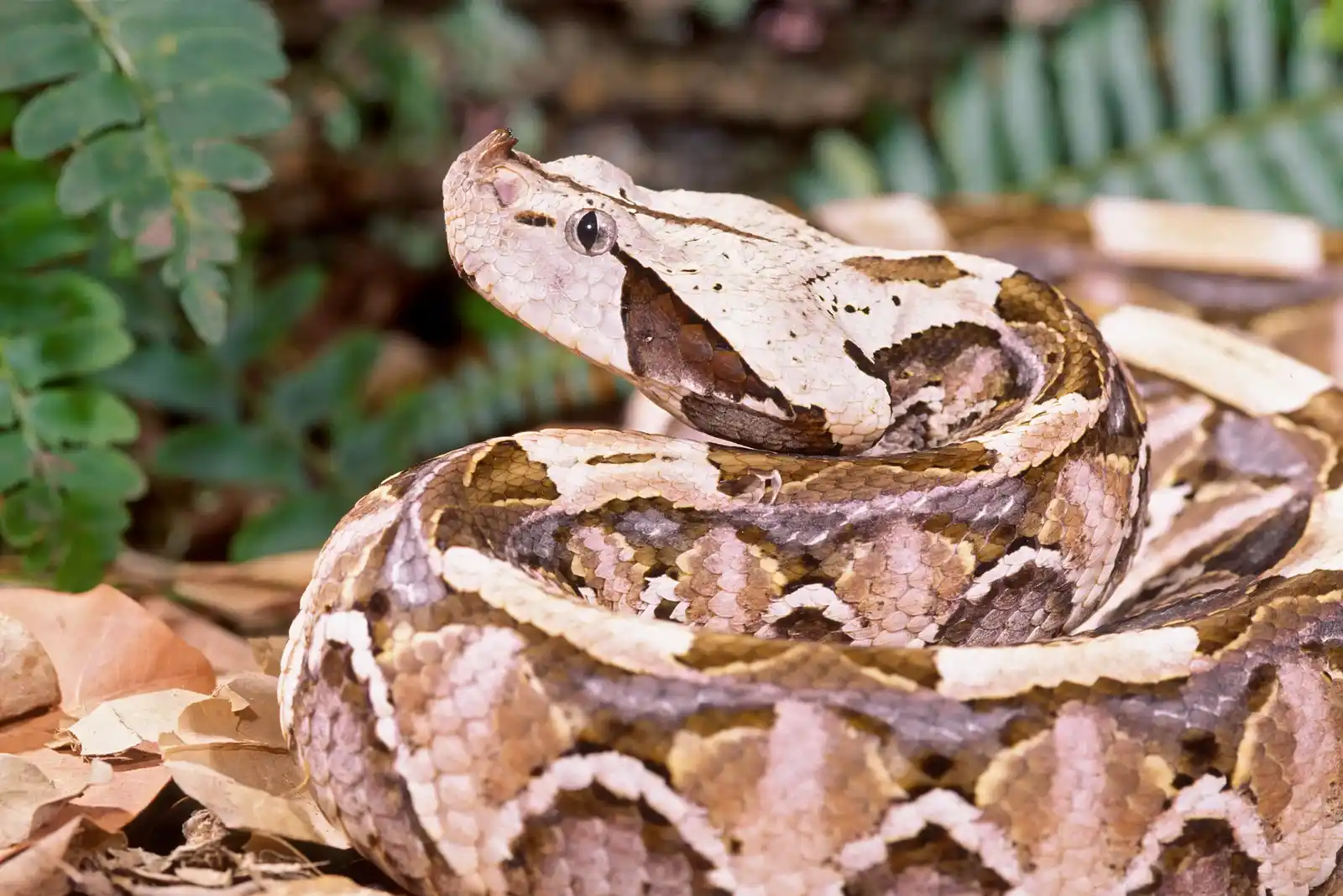
Authorities in Santa Ana are continuing their inquiry into a false report regarding a deadly African snake today after the person who claimed to have photographed the reptile acknowledged the image was created using artificial intelligence.
The Santa Ana Police Department said the Gaboon viper, measuring four to five feet long, was initially reported to have been seen on Monday inside a tree in a residential neighborhood near Main Street and Edinger Avenue.
Santa Ana resident Joel Ciprian had told CBS News on Monday that he saw the snake inside a neighbor's residence, insisting the photograph was not generated by AI before later admitting that it was fake.

While police have not taken Ciprian into custody, an SAPD spokesperson said police are continuing to investigate the incident. No arrests have been made because no police reports have been filed yet, SAPD Officer Natalie Garcia told CBS News.
Knowingly submitting a false police report is illegal in California, an offense that can carry penalties including jail time.
The alert led police officers and expert snake wranglers to launch an effort to corral the dangerous reptile.
However, detectives spoke again on Tuesday with the person who submitted the initial snake report and provided the image.
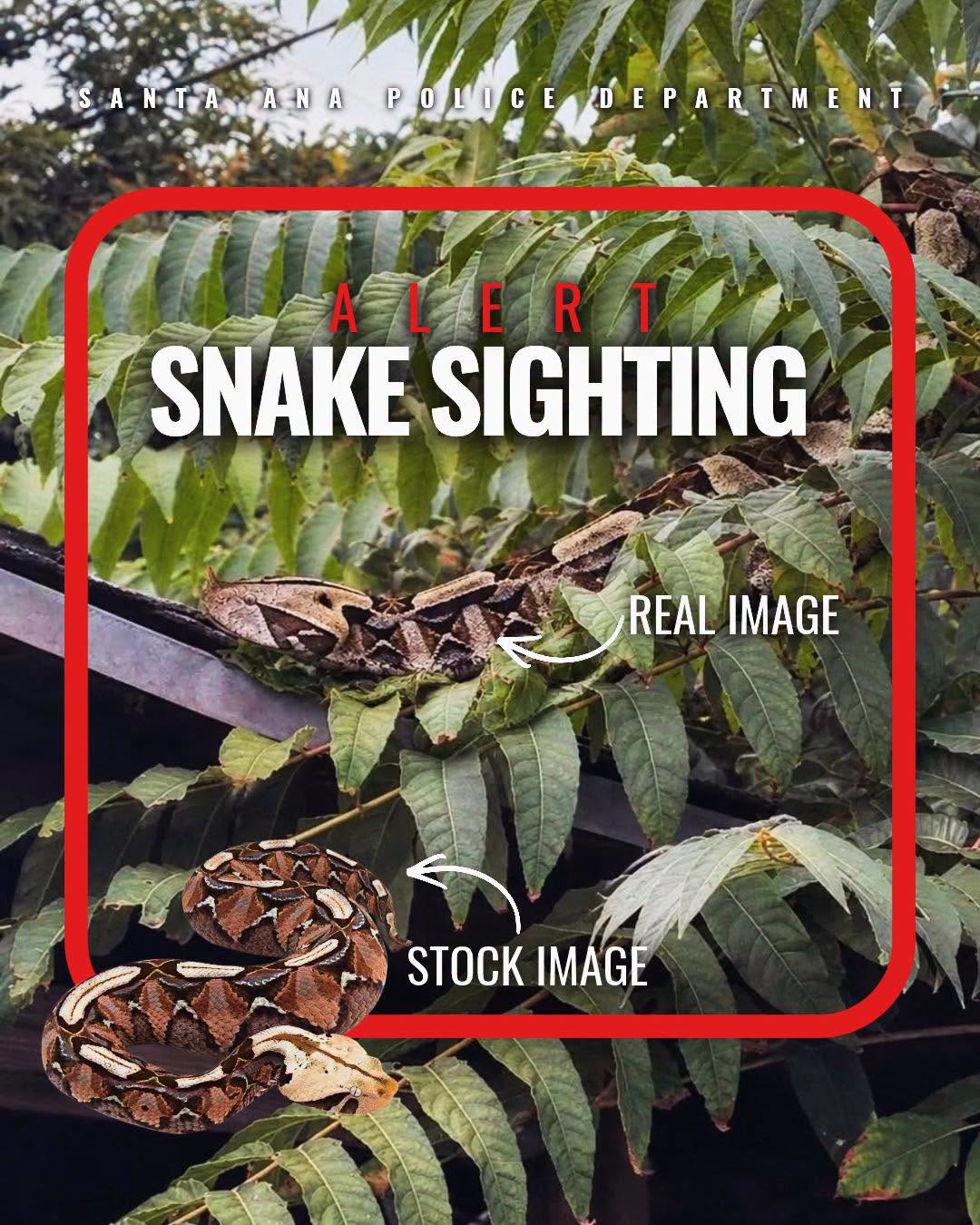
During the follow-up investigation, he admitted the photo was AI-generated and that the report was false,'' police said in a statement posted on social media. While there was speculation from the beginning that the photo may have been AI-generated, SAPD had to investigate and follow up to confirm what actually happened.
``AI-generated images can look very real, and when false information is shared as fact, it can quickly create unnecessary fear, confusion, and concern in our community.''
It remains unclear whether the individual responsible for making the false report will face any criminal charges.
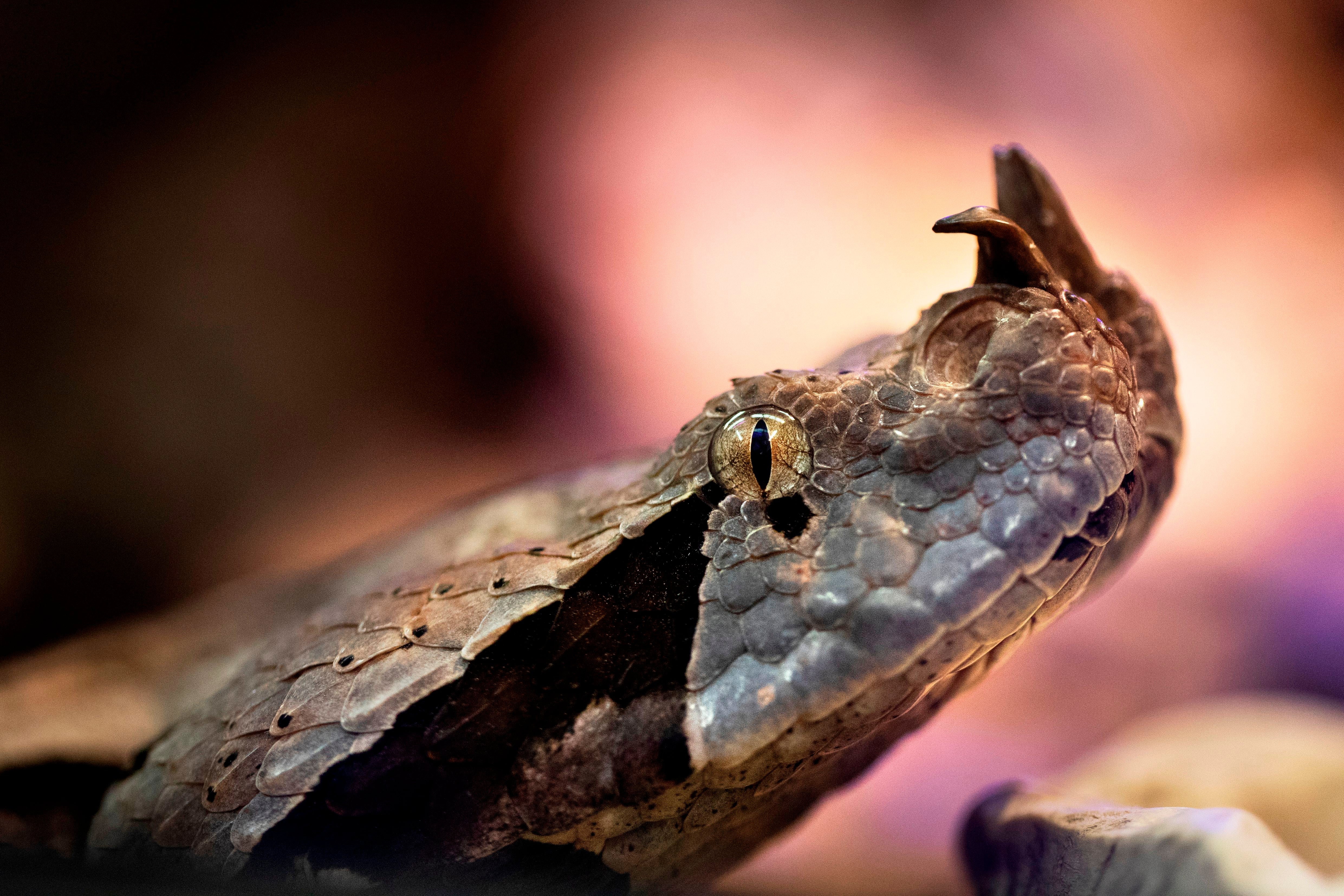
According to the Smithsonian's National Zoo and Conservation Biology Institute, Gaboon vipers display geometric patterns featuring light and dark brown, pink, and purple shades, along with back stripes and diamond shapes. Native to rainforests across Central, West, and East Africa, owning or transporting these snakes in California requires a special permit.
Although Gaboon vipers seldom bite humans, a bite can be fatal, according to the institute. Information from the Smithsonian's National Zoo and Conservation Biology Institute describes Gaboon vipers as featuring geometric patterns in shades of light and dark brown, pink, and purple, complete with back stripes and diamond markings. Native to rainforests in Central, West, and East Africa, the species cannot be lawfully possessed or transported in California without holding a special permit.
"Its coloration and broad head, which mimics a fallen leaf, camouflages it among leaf litter on the forest floor. Though venomous, this snake has a calm nature and rarely bites humans." The institute noted that female vipers generally give birth to between 50 and 60 live offspring.
According to the Los Angeles Zoo, the Western Gaboon viper is recognized as "one of the world’s largest and heaviest vipers" and possesses the highest venom yield among all venomous snakes.
"When threatened, they initially hold very still and hiss loudly as a warning. While Western Gaboon viper bites are rare for humans, when they do bite, it is often fatal," the zoo’s website states.
Although bites to humans are rare, the Smithsonian Institution stressed that a single Gaboon viper bite can be fatal. The snake generally bites when someone accidentally steps on it.
In 2022, a North Carolina resident survived a Gaboon viper bite, with a doctor telling WBTW at the time, "Patients that are bitten by these snakes often don’t survive."