Spain heads to the polls as far right eyes government for first time since Franco
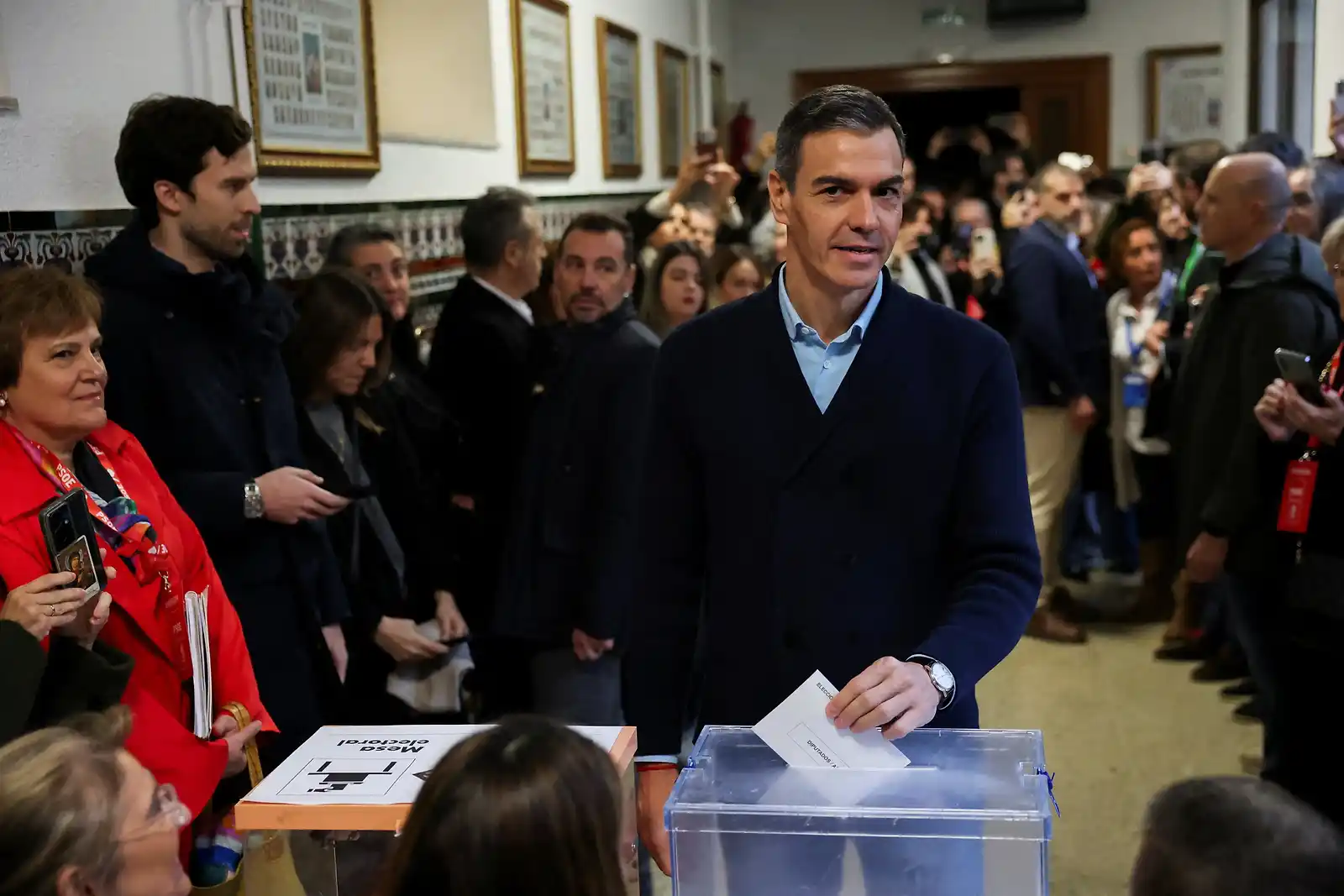
Spaniards turned out on Sunday to vote in a snap national election forecast to oust Socialist prime minister Pedro Sanchez and pave the way for the return of the far right to government for the first time since Franco.
Voter turnout had reached 45.75 per cent by 2pm local time, a marked jump from the 40.5 per cent recorded at the same stage in 2023, as Spain’s beleaguered leader urged left-wing voters to mobilise.
Opinion polls foresaw victory for the centre-right People’s Party (PP), but suggest it would likely need support from the far-right Vox to secure a governing majority in the 350-seat parliament.
Sanchez, who has governed with fragile minority coalitions since 2018, called the early election last month after the opposition shot down decrees he proposed to address a mounting housing crisis.
Millions of people have turned out in major cities to air their frustrations in recent weeks, while Mr Sanchez’s image has been tarnished by corruption scandals, deadly train crashes, a migrant crisis and a nationwide power outage.
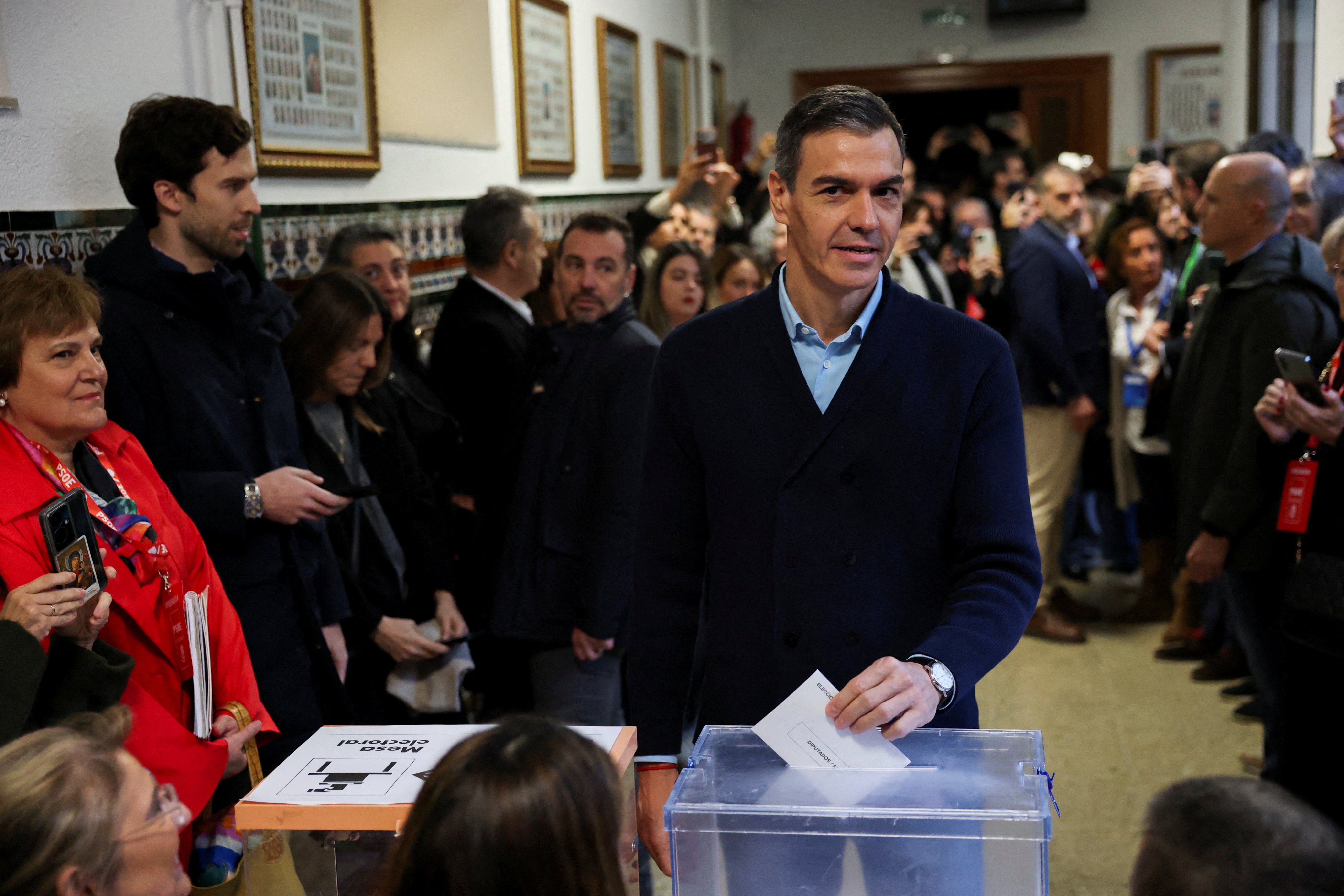
Still, some polls suggested the Socialist Party (PSOE) could garner enough backing to close the gap with the PP, but at the expense of a disillusioned far left, who Sanchez would rely on to form a government.
Carmen Sanchez, 27, predicted that Mr Sanchez could pull off another victory as she cast her vote in the same Madrid polling station as the Spanish premier.
“I think they're going to manage again – with more votes for the Socialists,” she told Reuters. “As a young person, that makes me a little afraid of the future. They haven't solved much.”
In campaigning to stay on, Mr Sanchez has pointed to his record of overseeing the country’s rapid growth – up to 2.6 per cent this year – while securing a rise in the minimum wage and bringing down unemployment.
But some Spaniards say they are not feeling the effects of those headline gains due to rising prices for housing, energy and consumer goods.
Thousands were moved to protest last month as an 87-year-old woman was evicted from her home in Madrid, forced out after an investment firm bought her apartment of 70 years with a view to raise the rent by 230 per cent.
The story of Maricarmen, who died suddenly two weeks after her eviction, captured the nation’s attention as a symbol of some of the problems blighting Spain even as it grows.
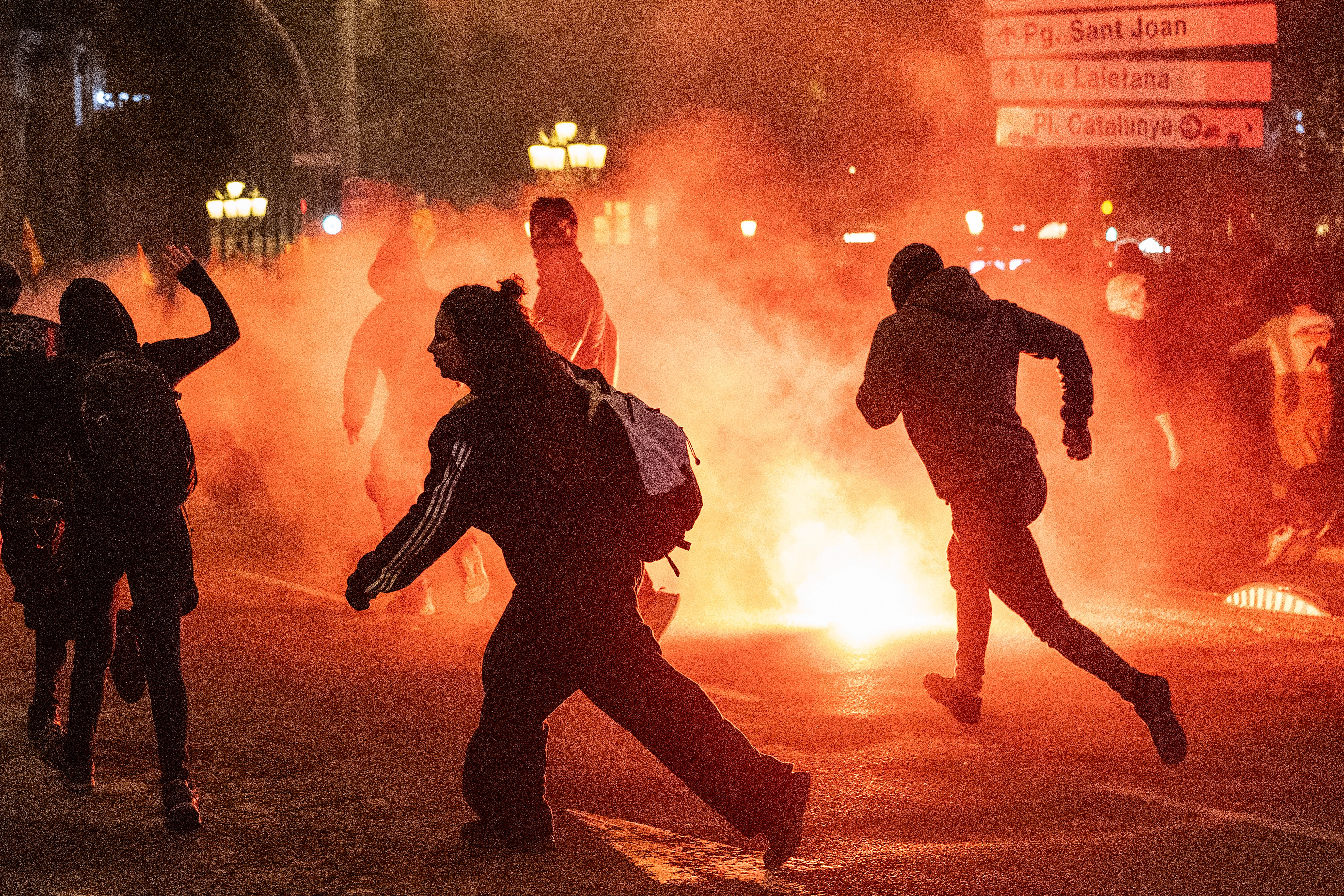
Protesters have also rallied against perceived overtourism, decrying the country’s reliance on low-paying seasonal work, which offers little room for growth, as well as the abundance of holiday apartments that comes with it, raising rental costs for locals.
Are you voting in the election? Share your thoughts: james.reynolds@independent.co.uk
The centre-right PP under Alberto Nunez Feijoo has vowed to ease the pressure by building one million homes – for a population of almost 50 million – and to repeal the recently approved Housing Law, which regulates rental prices.
Mr Feijoo would also move to tackle immigration by tightening rules on asylum and deportations, while setting annual visa quotas to aid sectors with labour shortages.
Mr Sanchez has vowed to build 100,000 homes, provide loans for first-time buyers, and to accelerate the adoption of renewable energy sources while phasing out nuclear power by 2035.
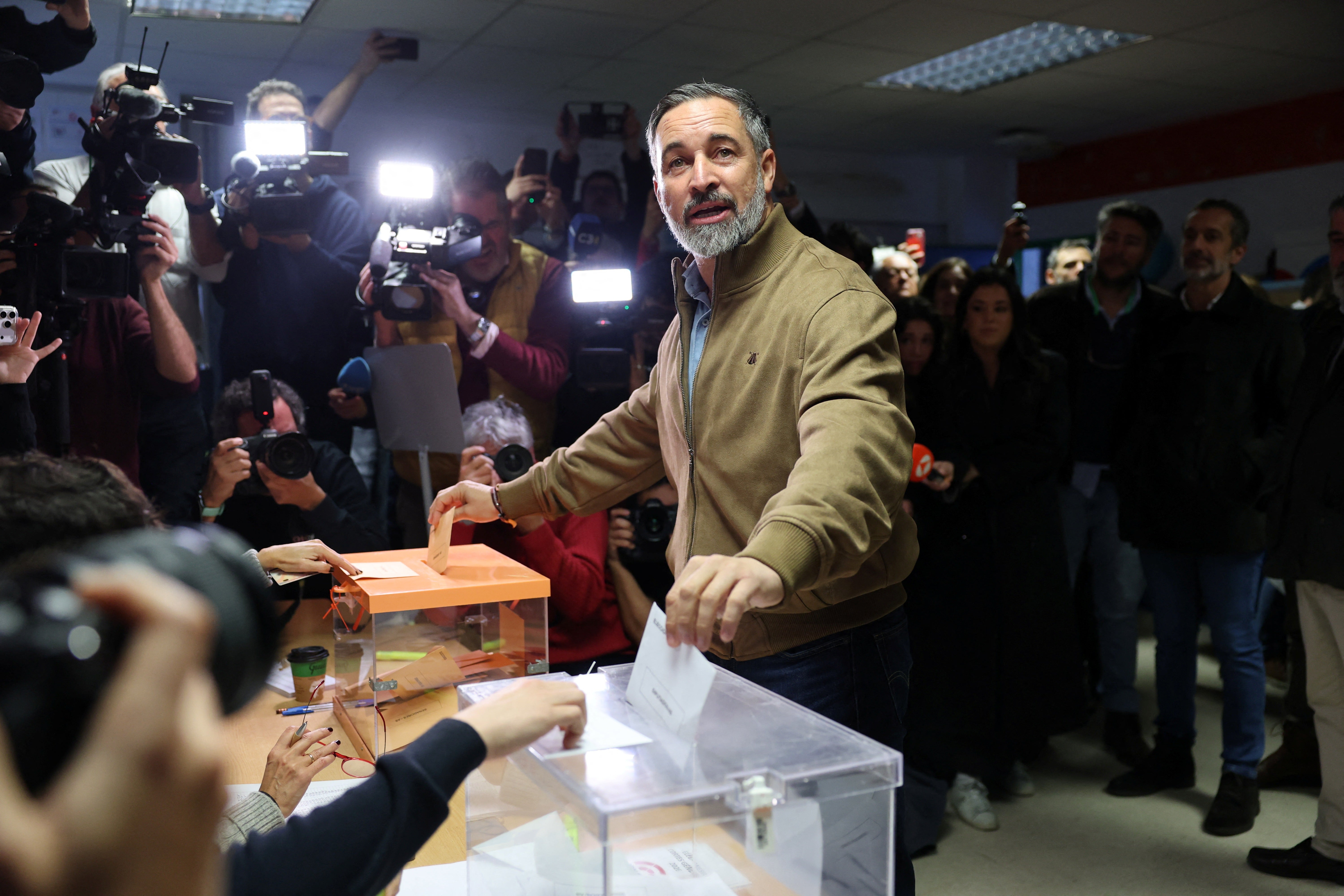
But the state’s policies could lurch violently to the right if Vox closes in on government, with Santiago Abascal’s party backing tougher immigration controls and lower taxes while opposing climate policies and expanded LGBTQ+ rights.
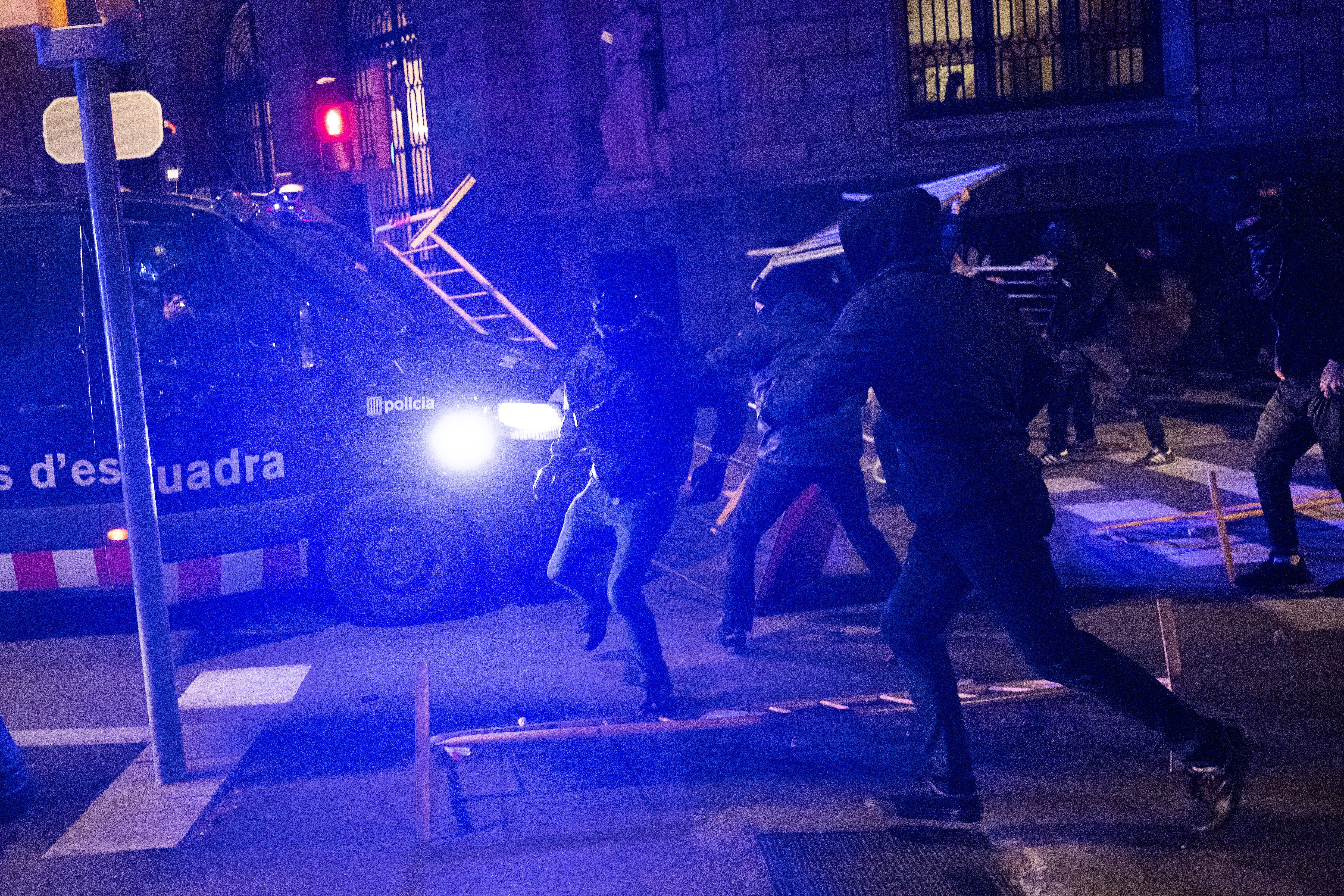
Vox would also seek to deport convicted foreigners and to give priority to Spaniards in the queue for housing.
In recent years, Spain has taken in millions of people from Latin America and Africa, and Mr Sanchez has defended his government's stance by citing the economic and social benefits that those who come to Spain legally bring.
Spain also legalised the status of nearly 1.2 million immigrants earlier this year who were already living in the country without proper documentation.
The stance has made Spain an outlier in Europe, although voters still list immigration among their top concerns, alongside the affordability issues and working conditions.
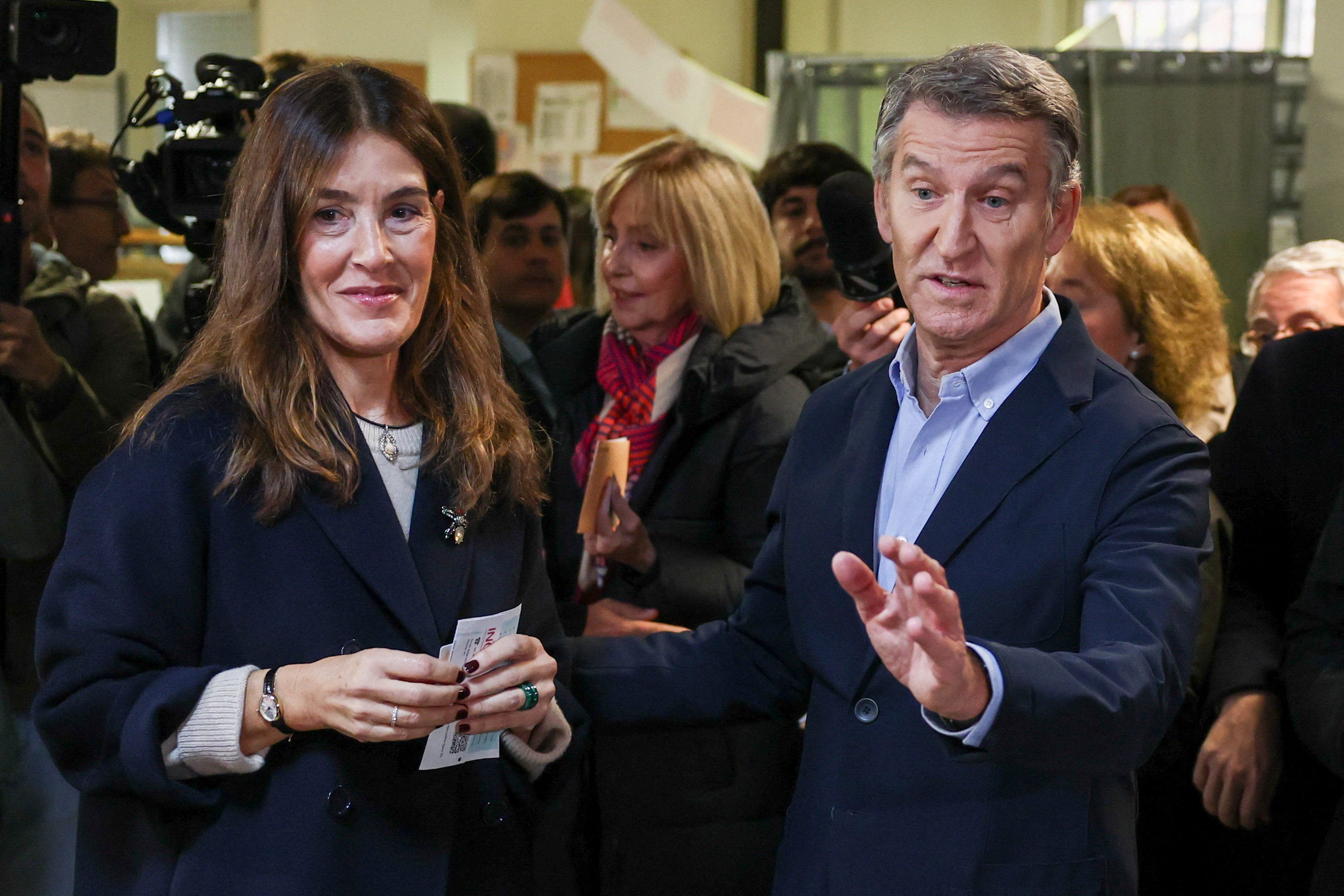
Voting in Barcelona, Pena Loren, 77, voiced concerns about a possible shift to the right: “We risk being thrown back a few decades, and I think it’s important that we all vote.”
Others headed to the polls hoping for change. “I can see quite a turnout, and I hope that the change we all need will come about,” said Monica Chastel, a voter in Madrid.
Voting closes at 8pm (7pm GMT), when a poll taken in the final week of the campaign will be released. The first official results are expected around an hour later.
The election kicks off a ‘mega cycle’ of elections across Europe, with the far right poised to make gains in many. France, Italy, Poland, Slovakia and Greece are set to vote in key elections next year.