Reeves urges EU to ‘act now’ and seize £175bn of Russian assets to protect Ukraine


The former chancellor said Brussels must act now in her first major intervention since leaving government
Rachel Reeves has urged the European Union to seize €210bn (£175bn) of frozen Russian assets to help Ukraine defend itself against Kremlin aggression, warning that failing to act now would risk the continent’s security.
In her first significant intervention since she left government earlier this year, the former chancellor told Brussels that “the time to act is now” as Kyiv faces “a desperate winter”. She warned Kyiv is confronting a funding blackhole as Donald Trump seeks to pressure the nation “to cut a deal with Moscow”.
The MP for Leeds West and Pudsey warned that Ukraine’s “capacity to sustain its defence will be gravely impaired” without the funding, which in turn would “undermine Europe’s security”.
It comes after Zelensky hailed an additional £10bn support package from the UK to Ukraine after discussions with Andy Burnham. The funding was announced in Wednesday’s Budget by Ms Reeves’s successor John Healey.
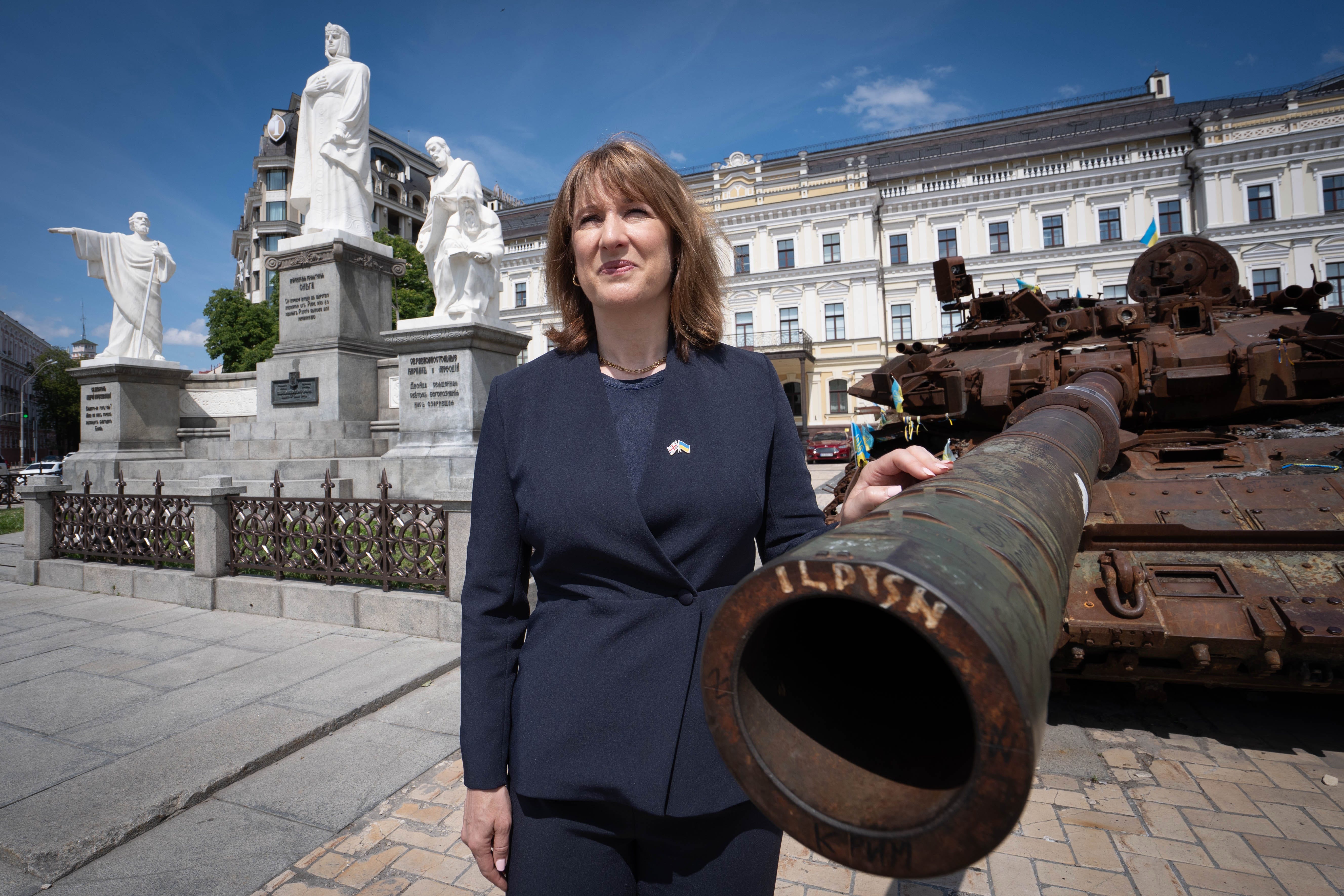
Ms Reeves, who was sacked as chancellor by Mr Burnham when he replaced Sir Keir Starmer as prime minister, wrote the rallying call in The Times alongside three fellow senior politicians - the former German defence minister Annegret Kramp-Karrenbauer, the former French minister for Europe Nathalie Loiseau and the former Canadian deputy prime minister and finance minister Chrystia Freeland.
The article said: “We are coming together to say we need to stand by Ukraine in its time of need.
“A critical next step should be for the EU to take custody of the 210 billion euros of sovereign Russian assets it immobilised in 2022 so it can use them to help Kyiv in its defence.”
The quartet pointed out the funding would be enough to bankroll Ukraine’s defence into 2029. Ms Reeves’ article said: “This eliminates the risk that elections in key EU member states next year may halt financial support for Kyiv.
“The assets would also fund Ukraine’s defence until after the next US presidential election, at which point Washington may be more supportive than it is today.”
Relations between the US and Ukraine have been strained after Mr Trump struck a diesel deal with Russia in the face of rising fuel prices and waived fresh sanctions against the Kremlin.
The US president also recently declined to blame Russia’s leader Vladimir Putin for starting the conflict and sought to portray Ukraine’s president Mr Zelensky as an obstacle to peace.
The public row was followed by disruption to Kyiv’s access to the vital Starlink satellite communications system, leaving the country exposed to attack.
In the article, Ms Reeves and her co-authors said: “Moscow has an obligation under international law to pay compensation for its illegal invasion.
“Using these funds to help Ukraine defend itself would not only be just, it would also be more acceptable to our fellow citizens than using more European taxpayers’ money or further borrowing.”
A previous attempt to tap into the funds last year to help Ukraine failed over concerns the liability would fall on the Belgian bank which held most of the assets and so “expose it to unacceptable risks”.
To counter this, Ms Reeves and others proposed to “transfer custody” of the frozen accounts to the EU itself, along with the associated liabilities.
The bloc would also provide cover to mitigate the risks in the event Moscow “considers acts of retaliation”.
The articles comes as Putin said that Russia is prepared for a potential war with Europe in his latest threat, though he added Moscow does not want one.
The Russian president said his country supports any steps aimed at restoring relations with European countries, as he commented on his phone call with the leaders of Norway and Finland, which took place on Tuesday.
But in a chilling threat on Thursday, he said that if tensions were to escalate too far, there would be no winners.

Ms Reeves pointed out there was precedent for this following the fall of former Iraqi leader Saddam Hussein, which saw the EU transfer Iraqi assets to an account at the Federal Reserve Bank of New York.
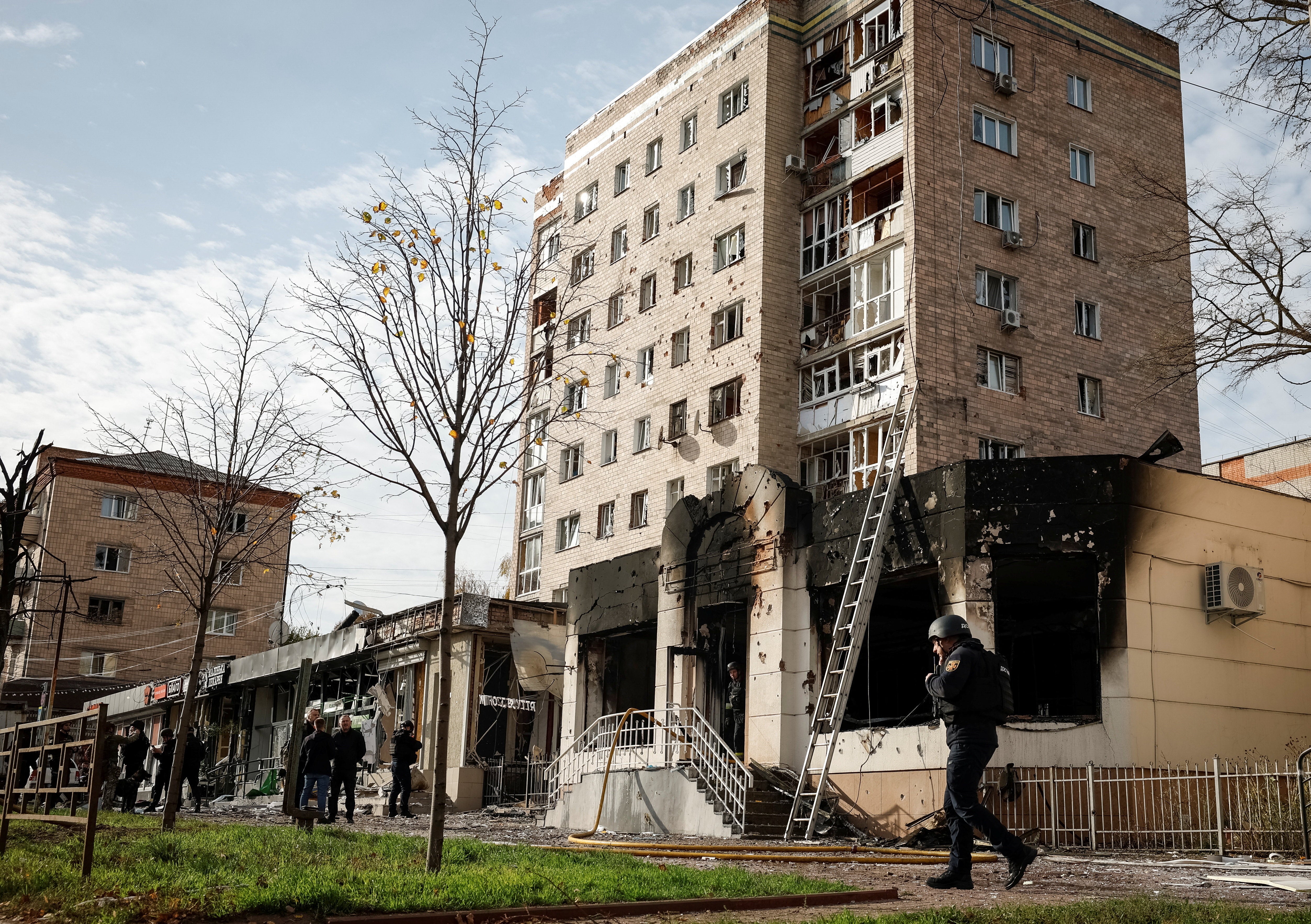
Stressing the need for action, the article said: “Ukraine faces a desperate winter as Russia pummels its almost defenceless people from the air.
“It also faces a 70 billion-euro financial hole next year. Without new funding, Kyiv’s capacity to sustain its defence will be gravely impaired.
“This will undermine Europe’s security because Ukraine is our first line of defence against Russian aggression.
“Although other allies, including Canada and the United Kingdom, must do their bit, the European Union will have to take the lead in filling the funding gap.”
They argued if the bloc moved “others will follow”, although it was acknowledged it was “much less probable that the United States will act”.
They added: “The time to act is now. This is partly because of Ukraine’s financial needs but also because Trump is putting pressure on Kyiv to cut a deal with Moscow.
“Ukraine is ready to engage in peace talks as it has always been. But Russia must feel increased pressure to engage in genuine negotiations. The transfer of its accounts would provide this needed pressure.”