Pope Leo took on Trump after a quiet 10 months in the role. Here’s why

Pope Leo has debuted a notably more assertive speaking style during his four-nation tour of Africa, delivering sharp denunciations of war and global inequality.
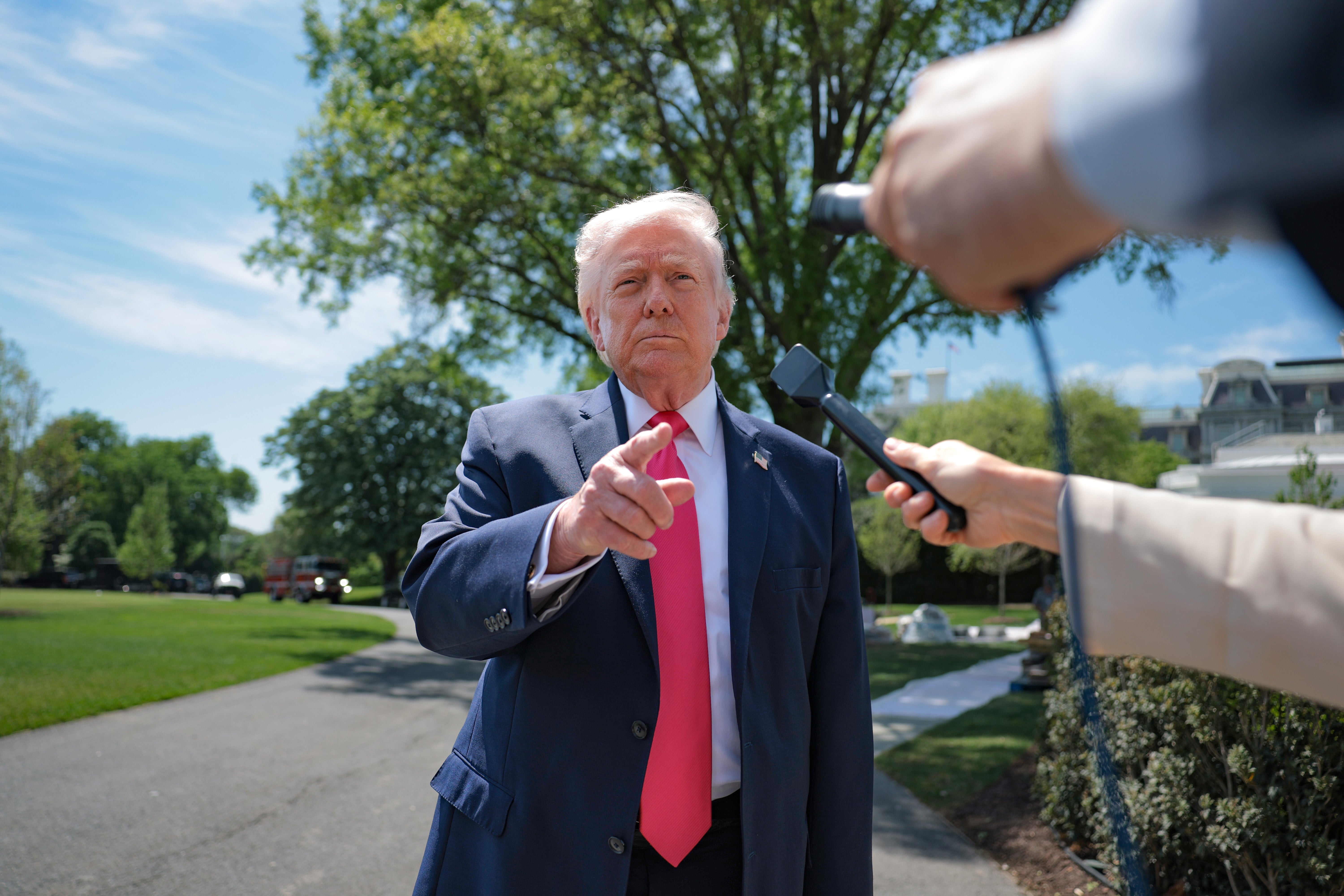
The change in rhetoric has, in turn, provoked repeated criticism from U.S. President Donald Trump.
Experts suggest this change reflects the pontiff's growing concern over the direction of global leadership, particularly after maintaining a relatively low profile during the first ten months of his papacy.
Trump first attacked Leo as "terrible" on Sunday, in an apparent response to the pope's earlier criticisms of the U.S.-Israeli war on Iran.
The president escalated his attacks on Thursday, implying the Pope lacked understanding of foreign policy matters.
Speaking in Cameroon, the first U.S. pope had declared the world was "being ravaged by a handful of tyrants", though he refrained from naming specific individuals.
John Thavis, a retired Vatican correspondent who covered three papacies, said: “Normally, popes and the Vatican are cautious when it comes to international politics, preferring diplomacy to public censure.”
"(Leo) seems convinced that the world needs to hear explicit condemnation of injustice and aggression, and he seems aware that he is one of the very few people who have a global pulpit."
Pope seen as moral leader on global stage
The pope, known for choosing his words carefully, mostly avoided comment about the U.S. until March, when he emerged as an outspoken critic of the Iran war.
He first mentioned Trump by name publicly only at the beginning of April, suggesting that the president find an "off-ramp" to end the war.
In Africa, the pope has been speaking much more firmly. In speeches this week in Algeria and Cameroon, he warned that the whims of the world's richest threaten peace and decried violations of international law by "neocolonial" global powers.
"Pope Leo is establishing himself as a moral leader for the global scale," Bishop John Stowe of Lexington, Kentucky, told Reuters.
Stowe, president of a U.S. Catholic peace organisation, said Leo's recent messages carried more weight by being given during a visit to Africa, "delivered face-to-face with the people who have lived with war, violence, famine and chronic poverty".
Pope doesn’t want to be ‘soft on Trumpism’
Popes have long been a moral voice on the global stage, loudly decrying situations of injustice. But they have also generally striven for the Church to remain neutral in world conflicts, allowing the Vatican to act as a mediator if asked to do so.
It is a balance of roles that is difficult to maintain.
Massimo Faggioli, an expert on the papacy, pointed to the example of Pope Pius XII, who directed a clandestine network to shelter Jews during the Holocaust but is accused by some modern critics of not speaking loudly enough about the ongoing genocide.
"There's always the ghost of Pius XII hanging there," said Faggioli, a professor at Trinity College Dublin, referring to why Leo may be deciding to speak more forcefully now.
"I don't think he wants the Vatican to be accused of being soft on Trumpism because he's an American."
Leo speaks more directly than his predecessor, Francis
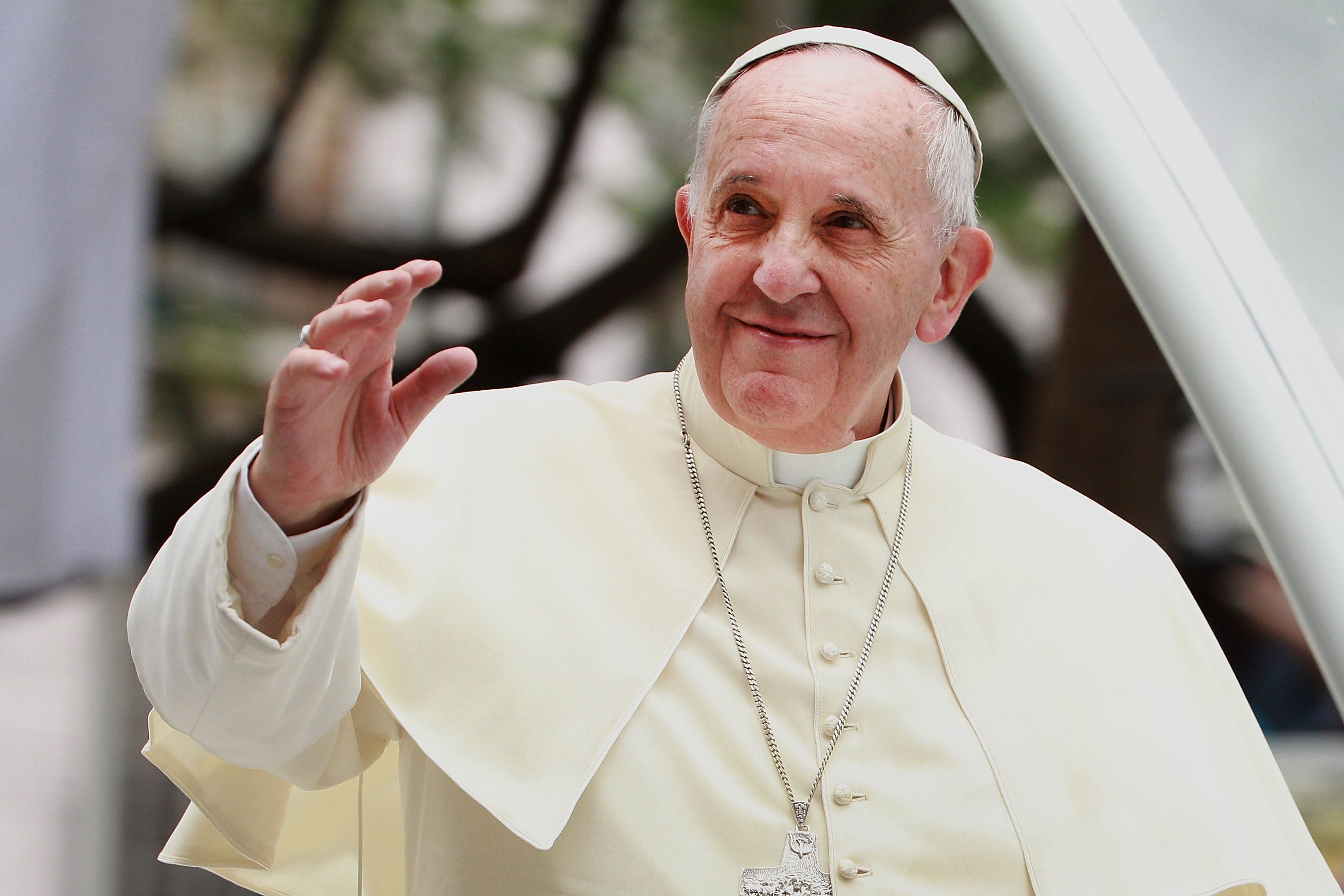
Leo, the former Cardinal Robert Prevost, spent decades as a missionary and bishop in Peru before becoming pope.
He lived there during an intense period of internal conflict between Peru's government and the Maoist guerrilla group Shining Path, when tens of thousands were killed in bloody warfare.
"In rural Peru, Prevost... was immersed in what poverty, corruption, globalisation of indifference, climate catastrophe, (and) governmental violence does to people," said Natalia Imperatori-Lee, an academic at Fordham University.
"He's uniquely qualified to speak about the dangers of... political corruption and violence," she said.
Pope Francis, Leo's predecessor, was from Argentina and was also known for forceful denunciations of conflict. He, too, clashed with Trump, who once called Francis "disgraceful".
With his comments this week, Thavis said, Leo may have spoken more forcefully than Francis or any previous pope.
"Other popes, including John Paul II and Francis, have spoken about the dangers of ideological tyrannies and neocolonialism," said Thavis.
"But when Leo says the world is 'ravaged by a handful of tyrants,' that strikes me as a much more direct challenge to the leaders of powerful nations."