Poland thwarts Russian ‘provocation’ on border, says Tusk


‘Individuals with flashlights’ had been spotted across the border amid rising tensions between both countries
Poland has thwarted a potential Russian “provocation” on its border, according to the country’s prime minister Donald Tusk.
Tensions have been mounting between the countries over a series of issues including airspace violations and diplomatic disagreements as Europe remains concerned about a wider escalation from Moscow.
On Tuesday Polish police units were sent to the country’s border with the Russian enclave of Kaliningrad, Tusk said.
“We managed to prevent attempts at provocation – if that was indeed the intention,” he told reporters, according to France24.
He said that “individuals with flashlights” had been observed in the area, sparking concern.
“Just after midnight, I received information from the border guards that disturbing movement had been observed on the Polish-Russian border,” he said.
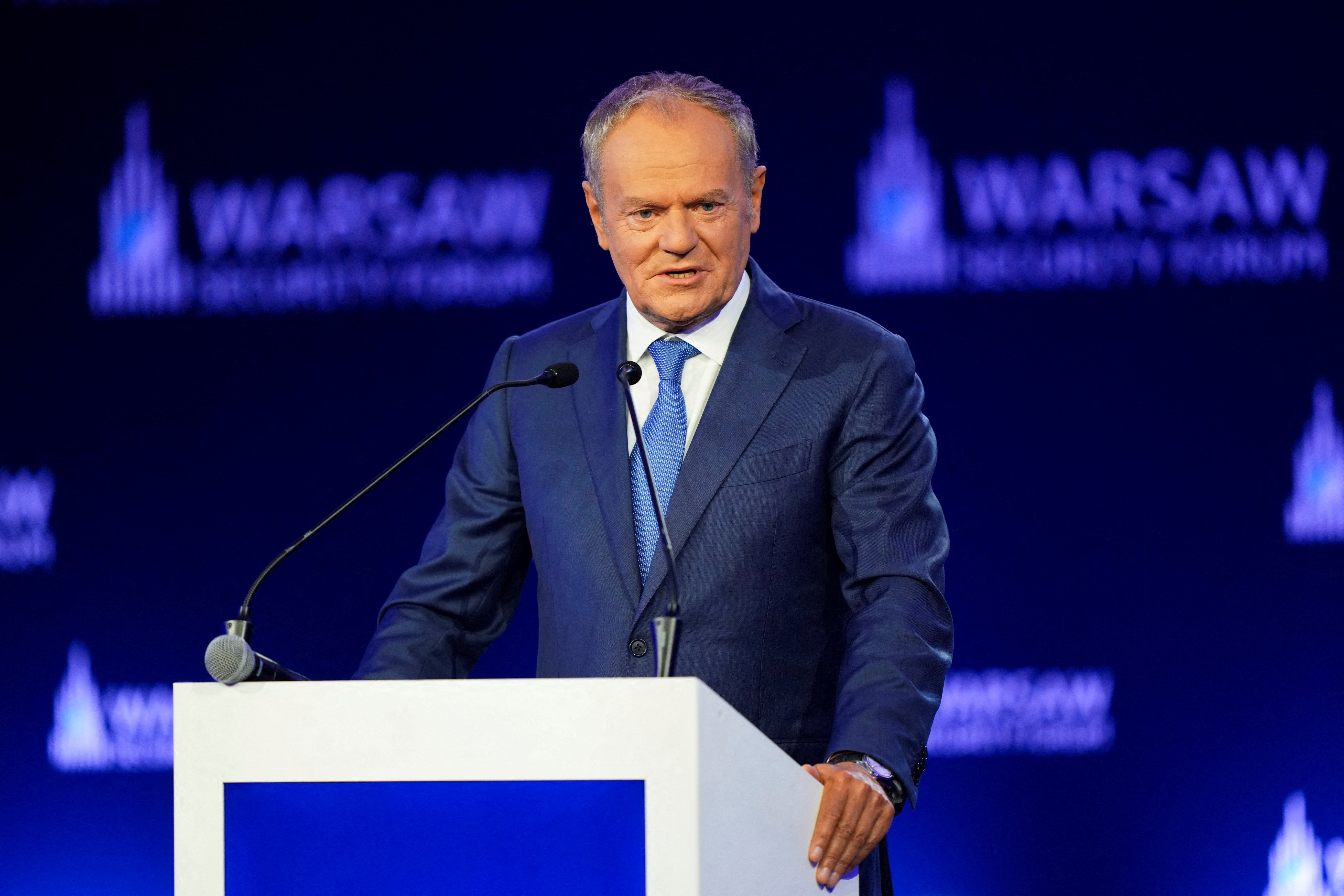
“We very quickly mobilised the appropriate forces and resources there and managed to prevent a provocation.”
The military, border guards and intelligence services had already been carrying out additional activities in the area to strengthen security.
A police spokesperson said that these preventive measures had been conducted in the northeastern regions of Warmia-Masuria and Podlaskie.
When authorities received “more precise” information about acts of sabotage including a potential incursion into Poland by “armed people” in the first half of November, additional police and troops were deployed as part of a special operation along the border regions on Tuesday, Tusk said.
“We have been receiving information for some time from our services and from allies' services that ... acts of diversion or more serious provocations on the border with Russia, or even sabotage acts orchestrated by hostile services, could occur,” he explained.
The Polish leader said he had also received warnings about possible escalations from Nato’s supreme allied commander in Europe during his visit to Warsaw in October.
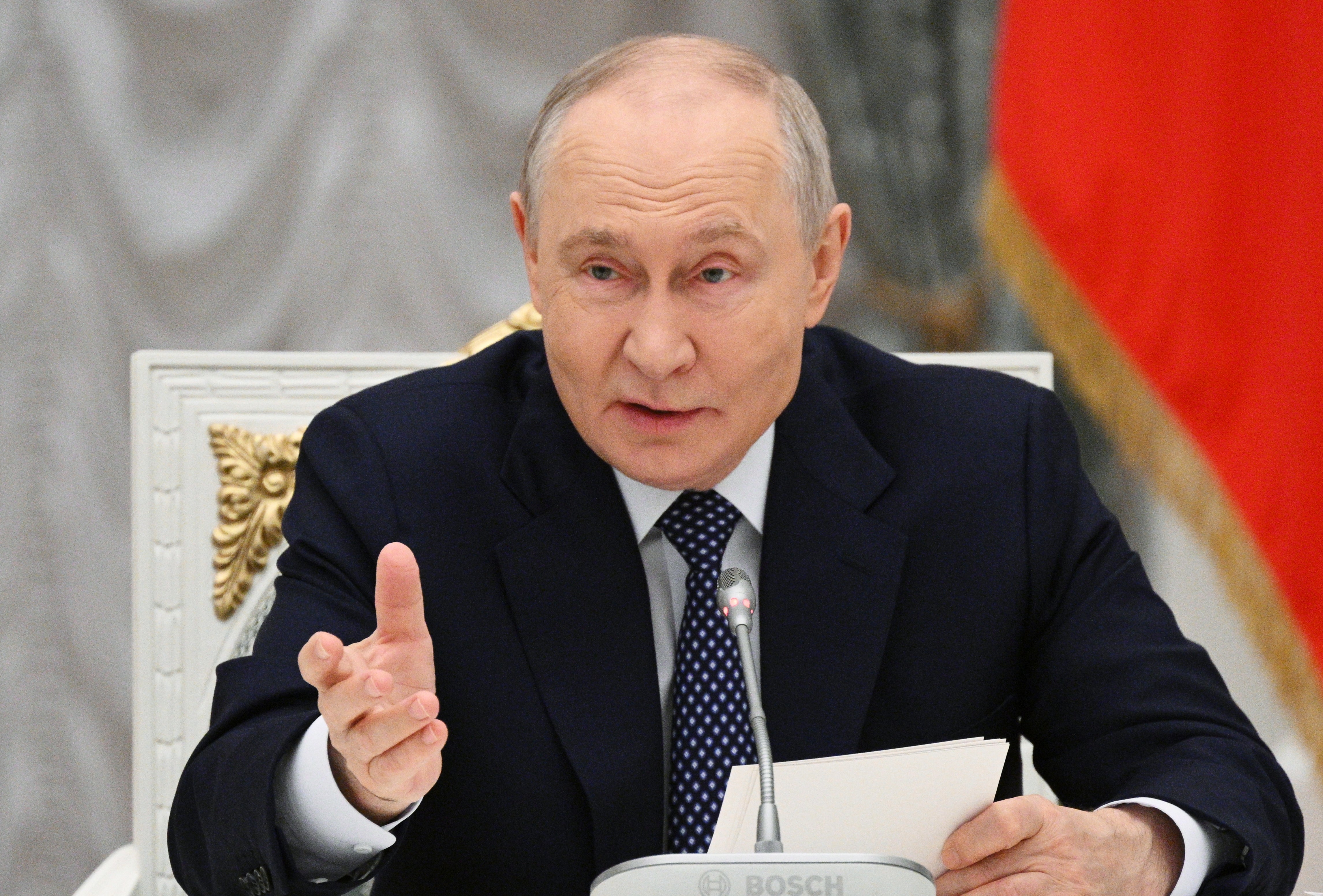
Tusk also accused Russia of trying to foment “instability” in Poland by meddling in a dispute between the government and the president over the Constitutional Tribunal.
President Karol Naworcki and Tusk have butted heads over the Tribunal leading to the suspension of the head of the court last week.
Russian politicians including Dmitry Medvedev, the deputy chairman of Russia's Security Council, described Tusk’s government's moves in the dispute as “a coup”.
“We observe activity by Russia and pro-Russian politicians —both internationally and within the country, centring around our cause, which is defending the Constitutional Tribunal against aggressive behaviour by politicians and the demonstrators they provoke,” he said.
“We are all familiar with the Russian method of becoming involved in internal conflicts. Today, we are witnessing tensions provoked by the Russians, whether in connection with the midterm elections (in the US) or through the fuelling of a sense of instability (in Poland), based on the aggressive behaviour of opposition politicians and the president.”