This one state could soon ban chewing gum


There is currently no scientific evidence that the levels of microplastics found in food pose a risk to human health, according to the FDA
Lawmakers in one state could burst gum lovers’ bubbles with a proposed ban that could pull chewing gum from store shelves.
The proposed Protecting Against Microplastics Act in New Jersey aims to reduce people's exposure to microplastics, tiny plastic particles that can enter the body through everyday activities, including eating with plastic utensils.
The bill would require companies to disclose microplastics in products such as chewing gum, tea bags, coffee grounds, talcum powder and pet food. It defines microplastics as synthetic plastic particles no larger than five millimeters that are added during manufacturing or industrial processes.
But gum loyalists don't need to panic just yet. The proposal is still making its way through the legislative process, and any ban would take years to implement.
Under the proposed timeline, manufacturers would have three years to comply. Companies would have to disclose microplastics on product labels in the first year, followed by more prominent warnings in English and Spanish in the second. By the third year, products containing the targeted materials could no longer be sold in New Jersey.
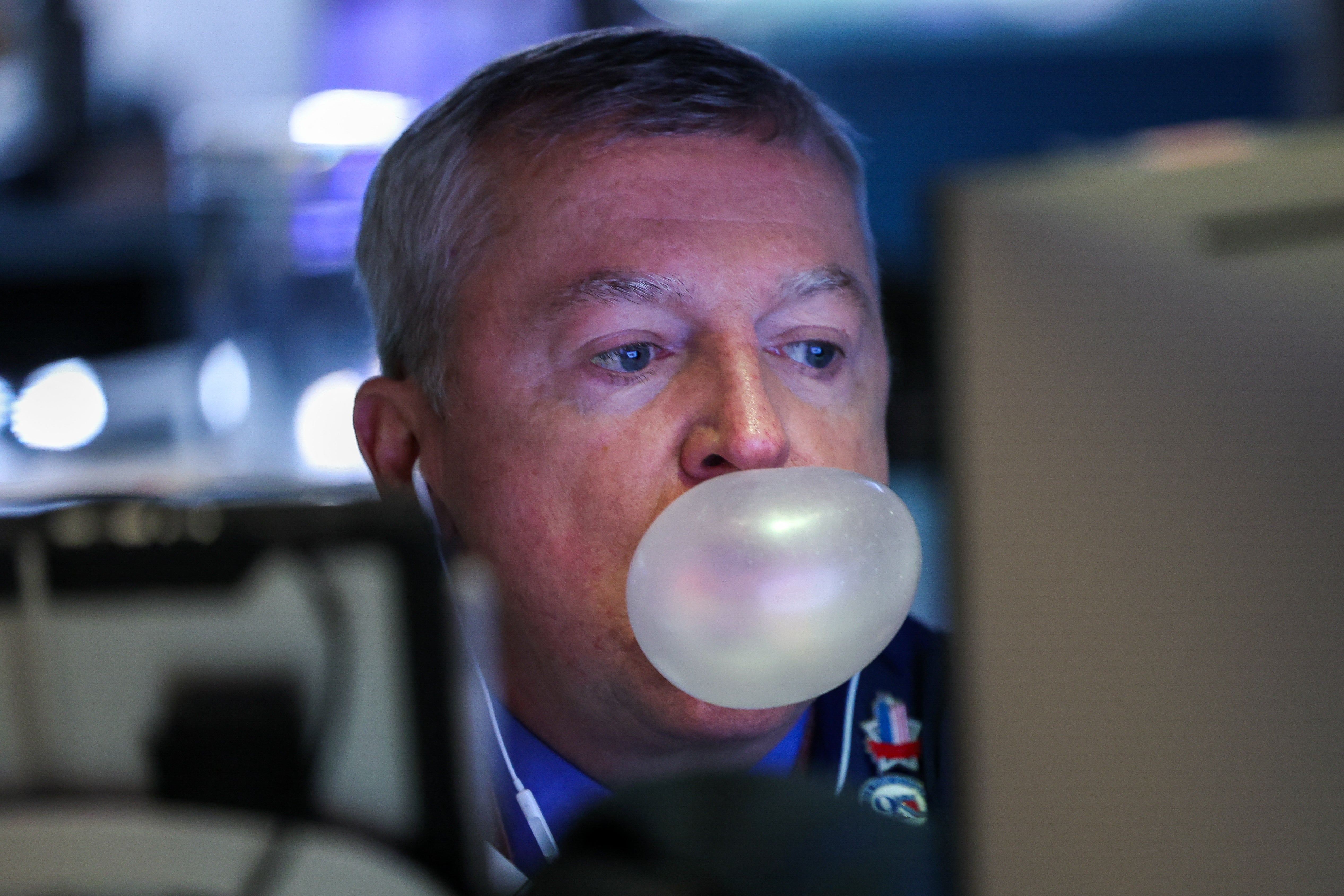
Microplastics are tiny plastic particles found in the environment and a range of everyday products, including food and beverages. Some chewing gum contains synthetic polymers in its base, and research suggests chewing can release microplastics into saliva, potentially allowing people to swallow them, according to the American Chemical Society.
However, there is currently no scientific evidence that the levels of microplastics found in food pose a risk to human health, according to the Food and Drug Administration.
Democratic state Assemblywomen Shama Haider and Margie Donlon introduced the measure in September. Since then, it has generated backlash from people fearing that their beloved chewing gum could be taken away.
“So you can vape but not chew gum WTF,” one commenter wrote on Fox 5 NY’s Facebook post.
“This is what we should focus on. Makes sense,” another said.
A third unpleased user wrote: “Banning gum in Jersey? What an asinine rule for a state already famous for its traffic jams.”
The bill remains under consideration by a state Assembly committee. It would need to pass both chambers of the New Jersey Legislature and be signed by the governor before becoming law.
If approved, the proposal would allocate $3 million for research, pollution reduction and enforcement. Of that amount, $2.5 million would go to the state Department of Environmental Protection to implement the program, conduct microplastics research and test air, water and soil for the particles.
The remaining $500,000 would go to the Department of Law and Public Safety to enforce the labeling requirements and sales ban, according to the bill.