One in four women globally unable to refuse sex within marriage, says UN
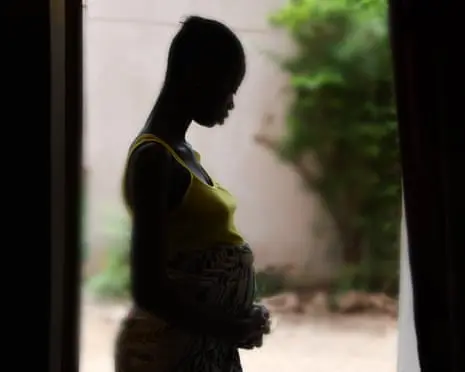
Almost half of women in west and central Africa cannot withhold consent, with girls worst affected, UNFPA finds One in four women around the world has no power of consent if their husband or partner demands sex, according to a UN report. In west and central Africa, almost half of women (45%) are not able to say no in their own marriage, while a third of women (33%) in east and southern Africa and...
One in four women around the world has no power of consent if their husband or partner demands sex, according to a UN report.
In west and central Africa, almost half of women (45%) are not able to say no in their own marriage, while a third of women (33%) in east and southern Africa and in Arab states face the same predicament. In Latin America and the Caribbean, one in 10 women are not able to refuse sex, said the report by the UN Population Fund (UNFPA) published on Thursday.
Younger women and girls aged 15 to 19 had even less power to say no, compared with older women aged 45 to 49, according to analysis in the report of eight countries with comparable data (Angola, the Democratic Republic of the Congo, Kazakhstan, Malawi, Mali, Nigeria, Tajikistan and Zambia). The findings align with research showing adolescent girls endure very high rates of intimate partner violence.
“These are really sad figures,” said Jean-Paul Murunga, a lawyer with the global human rights organisation Equality Now. “Especially given that the continent of Africa as a whole has adopted the Maputo protocol, which sets [binding legal standards for] equality between women and men. We still have a lot of work to do to ensure women and girls benefit from these commitments.”
The Maputo protocol, a landmark treaty adopted by the African Union in 2003, guarantees women’s rights and obliges states to protect women from violence. It affirms that marriage must be based on full consent and guarantees women’s right to health.
“The underlying principle is unambiguous: sexual intercourse without free and voluntary consent constitutes sexual violence, including within marriage,” said Murunga. “Marriage does not create perpetual or implied consent. A woman retains the right to decide whether, when and how she engages in sexual activity”.
He said that as a first step rape laws across the continent needed to change. According to Murunga’s 2024 report, rape within marriage is not criminalised in some African countries. Seven countries expressly exempt husbands from prosecution for marital rape, including Côte d’Ivoire, Ethiopia and South Sudan. Some countries, such as Tanzania and Eritrea, only criminalise marital rape when the couple do not live together.
In countries where child marriage is permitted and marital rape is not criminalised, children are left unprotected. A legal loophole is created for what, outside marriage, would be classed as rape, and young wives have few options when it comes to protecting themselves from sexual violence and exploitation. In Gabon, for example, when a man has married a child he abducted, he can only be prosecuted after the marriage is annulled.
Underpinning these laws is the mistaken belief that marital rape does not exist as a concept because, by marrying, wives are assumed to have permanently consented to sex with their husbands. In many areas, religion plays a key role in affirming these beliefs.
Alimatu Dimonekene, founder of A Girl At A Time, an organisation supporting adolescent girls in Sierra Leone, said a conversation around consent in marriage had yet to begin in Africa. “We’ve not even started the conversation [around marital rape],” she said. “Women will never call it rape; they make excuses for it or even blame themselves.”
She added: “In west Africa, sex is seen as an obligation in marriage. You must do whatever your husband demands.
“Once he has paid your bride price [a traditional marriage custom in which the bride’s family are paid money, livestock or goods by the groom], he owns you and you cannot reject his demands. Whatever he wants, he gets, including in terms of intimacy, finances and raising the children.”