Oil prices rise as IEA boss warns crisis is worse than 1973, 1979 and 2002 combined
The current oil and gas crisis triggered by the blockade of the Strait of Hormuz is "more serious than the ones in 1973, 1979 and 2002 together", Fatih Birol, the head of the International Energy Agency (IEA), told Le Figaro newspaper.
"The world has never experienced a disruption to energy supply of such magnitude," he said in an interview with the French newspaper released in its Tuesday edition.
Global stocks wavered on Tuesday, while oil prices were perched above $110 per barrel as the prospect of escalation in the war in the Middle East and the looming deadline for a deal to be reached kept nervy investors on the sidelines.
Mr Birol said the European countries, as well Japan, Australia and others will suffer, but the countries most at risk were developing nations which will suffer from higher oil and gas prices, higher food prices and a general acceleration of inflation.
The IEA member countries agreed last month to release part of their strategic reserves. Some of this had already been released and the process continues, said Birol.
In reaction to the strikes by Israel and the U.S., Iran has almost entirely blocked the traffic in the Strait of Hormuz, through which about 20% of world oil and gas regularly flows, creating a surge in energy prices.
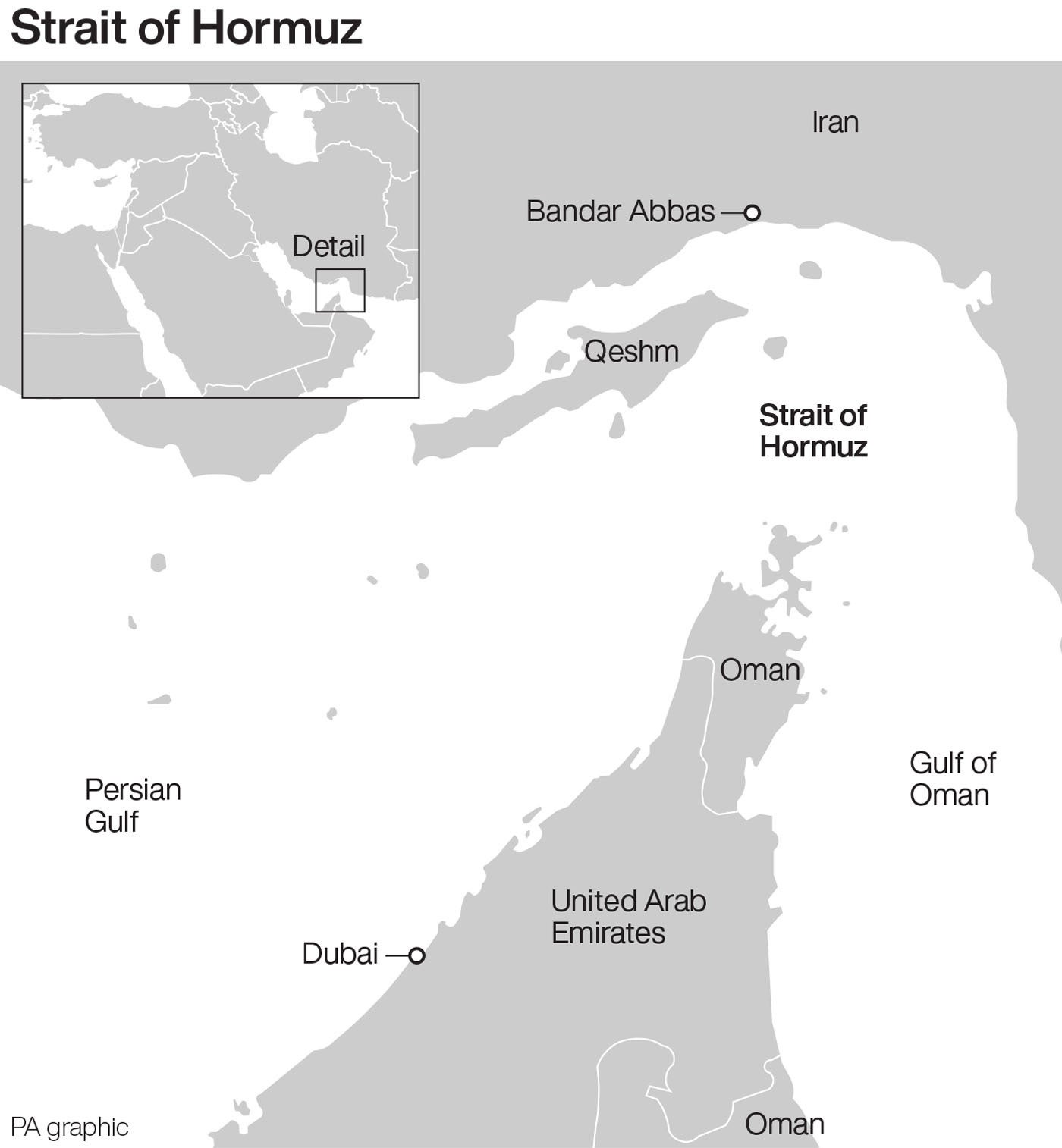
Markets have been rattled since the U.S.-Israel war on Iran broke out at the end of February, with Tehran effectively closing the Strait of Hormuz, a key global oil transit chokepoint that has spurred inflation worries.
While investors have pinned their hopes on a resolution to the war, the talks so far have yielded no progress, with U.S. President Donald Trump imposing a deadline of Tuesday 8 p.m. Eastern Time (0000 GMT Wednesday) for a deal to be reached.
That has triggered a risk-off and cautious mood with the U.S. dollar holding onto its gains and oil prices surging.
Brent crude futures rose 1% to $111.53 a barrel having risen over 50% since the war started.
A record-breaking quarterly profit forecast from chipmaker Samsung Electronics helped lift investor mood a bit in Asian hours before the reality of the energy shock from the six-week long war set in.
Japan's Nikkei was choppy as it erased early gains to trade flat. South Korean stocks were up 0.2% having surged over 2.5% earlier in the session.
U.S. stock futures fell 0.35%, while European futures pointed to a slightly higher open after being closed for holidays on Friday and Monday.
"We are back on a Trump imposed countdown clock and there's no way to predict with any confidence what will happen," said Kyle Rodda, senior markets analyst at Capital.com.
"The more intrepid traders might make a bet one way or the other. Others will look to hedge risk or stay out entirely. But there's not much market participants can really do but wait and see."