Marco Rubio publicly contradicts JD Vance on election blame


The unpopularity of the Iran war, along with its impact on gasoline prices and other parts of the economy, helped the Democrats to victory
Democrats seized control of Congress in Tuesday's elections, which delivered a resounding rebuke to Trump.
The unpopularity of the Iran war, along with its impact on gasoline prices and other parts of the economy, helped the party to victory.
Secretary of State Marco Rubio said Sunday that President Donald Trump launched the war against Iran even if it was not “necessarily popular” to safeguard the world from the country's nuclear ambitions.
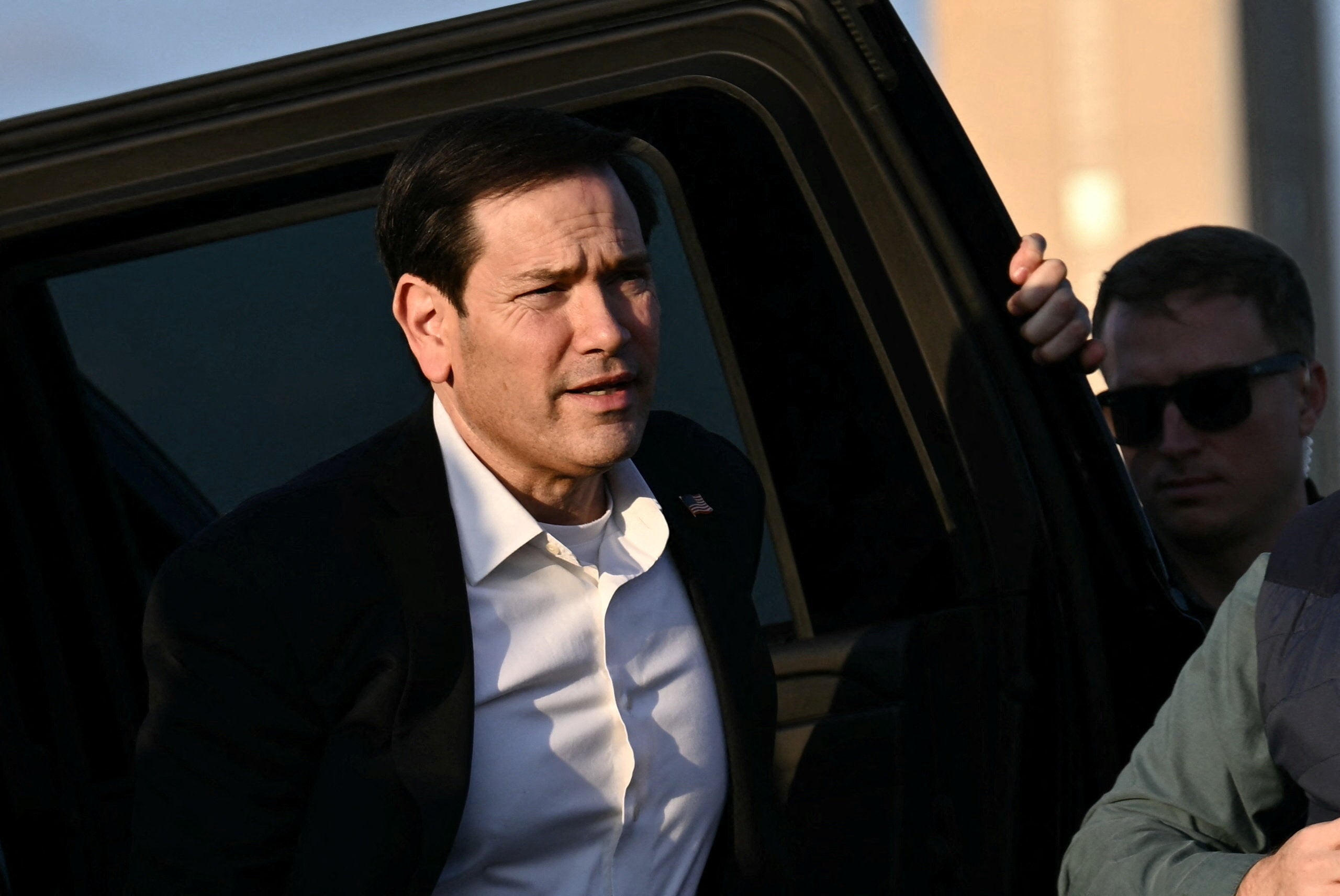
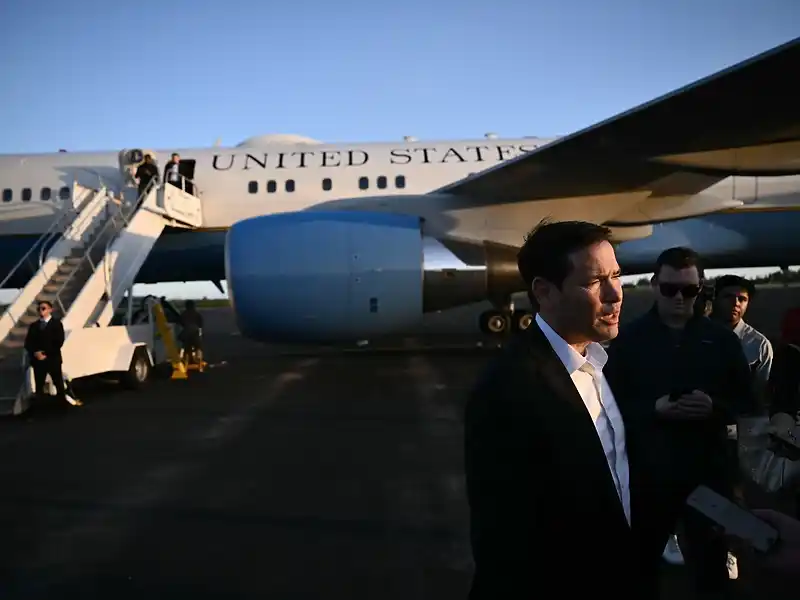
Rubio declined to comment directly on the Republican wipeout. He was asked about Vice President JD Vance's social media post last week that largely blamed the war for the Republican losses. Rubio told reporters that Trump “identified a very real threat” in Iran and worked to stop the Islamic Republic from pursuing a nuclear weapon.
“He addressed it even though oftentimes the right thing to do for the country — confronting difficult challenges for the security of our country — doing it isn’t necessarily popular, but necessary,” Rubio said in Florida before heading to a Group of 7 foreign ministers meeting in Paris. America's top diplomat offered a robust defense of the more than eight-month-old war.
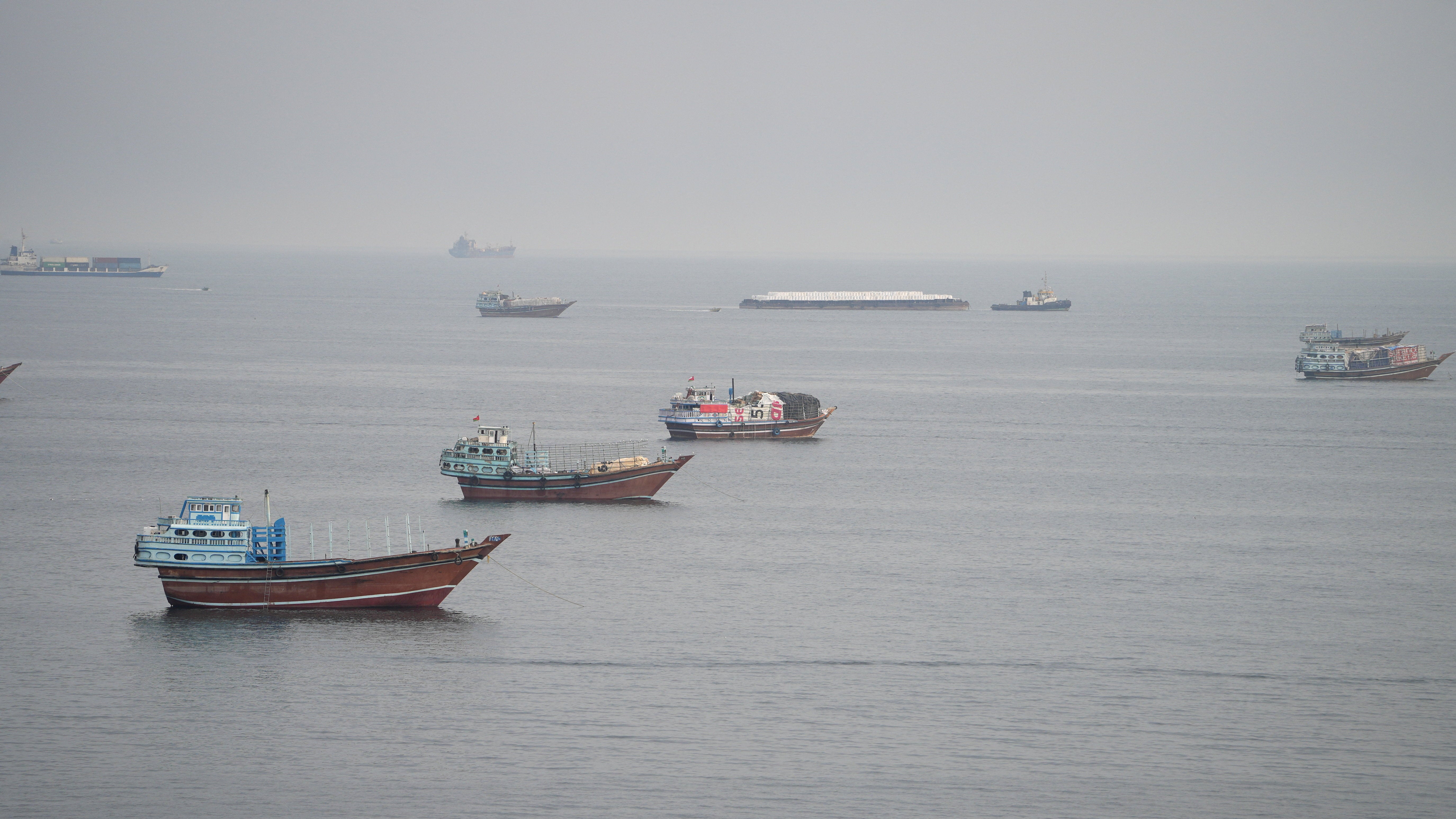
Voters have blamed Trump's policies for hits to their pocketbooks, including higher energy prices stemming from disruptions to shipments in the Strait of Hormuz. The strait is a crucial waterway where one-fifth of the world's oil transited before the war.
Rubio and Vance offer differing comments on the war
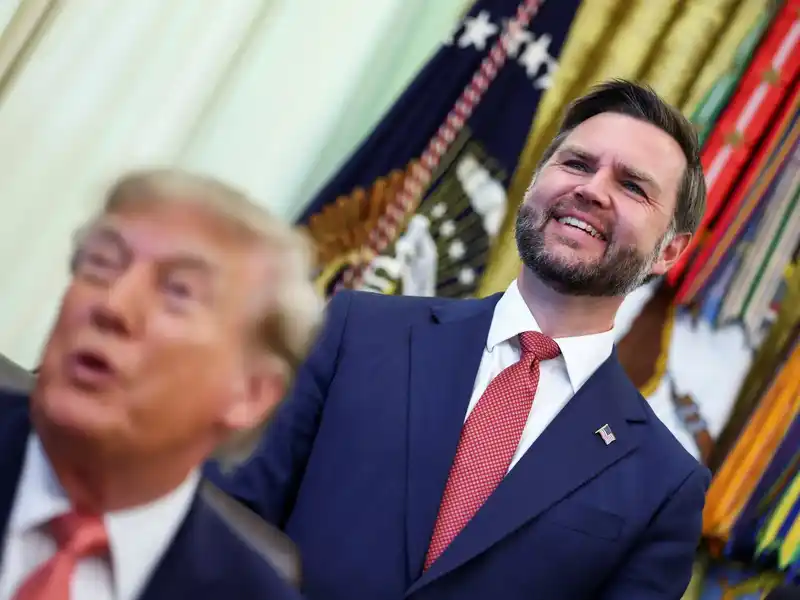
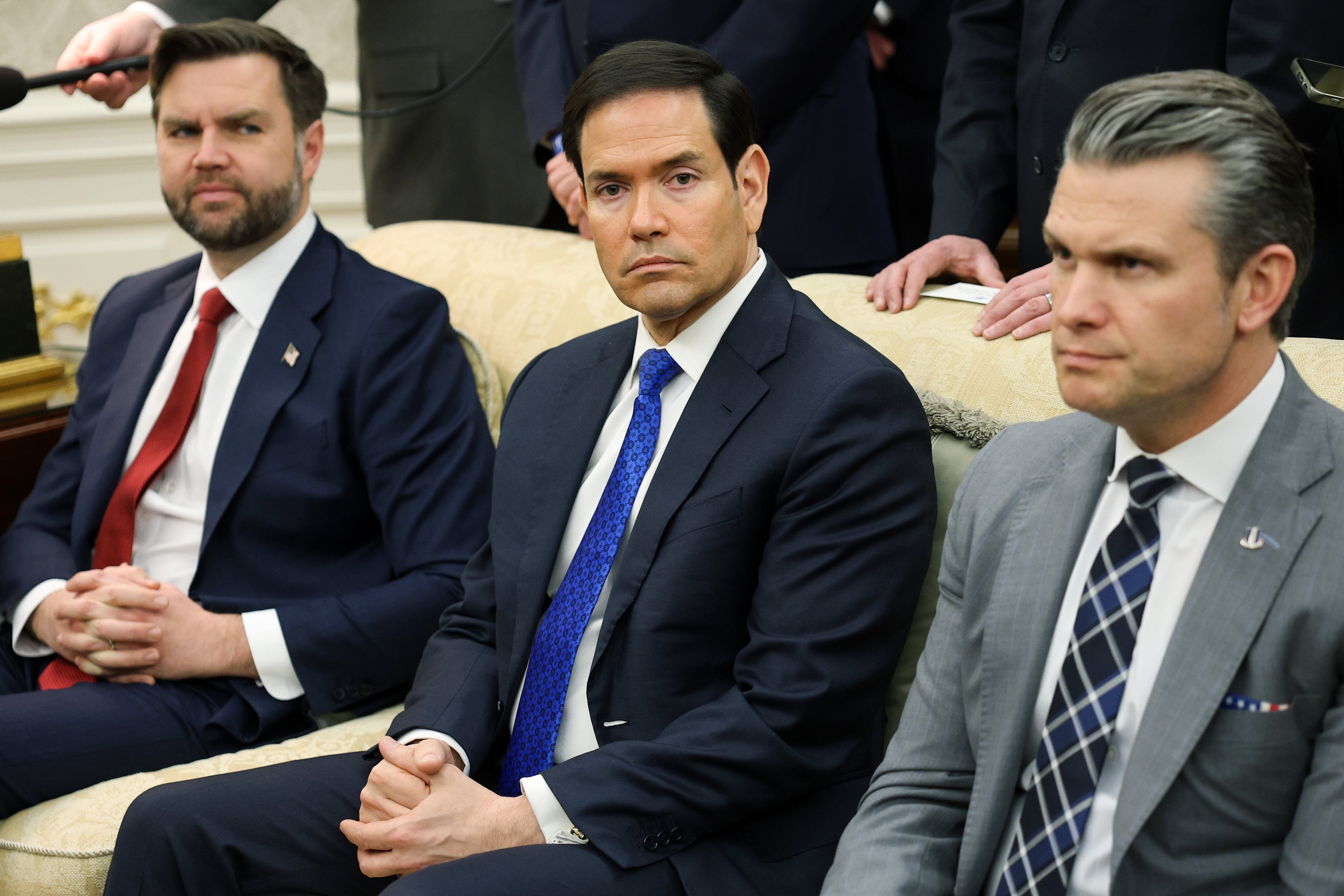
Rubio's comments also put him at odds with Vance, and both are considered possible 2028 contenders. Trump was asked in a “60 Minutes” interview that aired Sunday about potential candidates other than Vance.
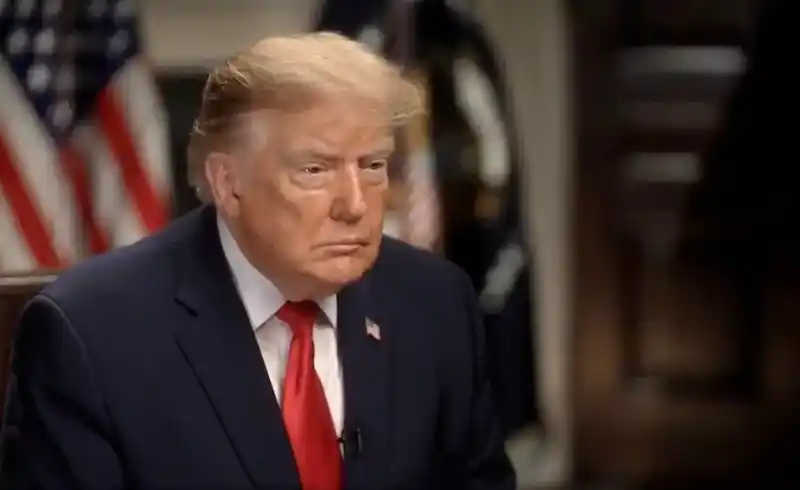
He named Rubio, saying that “I think Marco’s great" but noting there was a “tremendous bench” in his Republican Party and that “maybe I’m better off not getting involved.” Trump told reporters Sunday that Vance was right about the war's impact on the election. Other than that, the president said, his vice president should have also insisted it was the correct choice to go to war.
“I can tell you if I had it to do again, this historically — for history — will go down as one of the best things we ever did," Trump said. "Because if they ever had a nuclear weapon, they would blow up the world."
Iran has long maintained that its nuclear program is peaceful. According to the International Atomic Energy Agency, Iran has 440.9 kilograms (972 pounds) of uranium that is enriched up to 60% purity. That level is a short, technical step from weapons-grade levels of 90%. Asked on “60 Minutes” whether he would escalate the war following the elections, Trump said, "Well I’m not looking to. I don’t think there’s any reason to.”
Rubio says Iran talks aren't on the ‘verge of a breakthrough’
The administration has no clear strategy to wind down the conflict. The Middle East is on edge over the possibility of a return to major hostilities. Mediators are trying to revive talks between the sides.
Rubio said, “I wouldn’t say we’re at the verge of a breakthrough.” He reiterated that Trump prefers a diplomatic solution, but “right now, it hasn’t been very productive because the Iranian demands are simply not just unacceptable, but in some cases outrageous and ridiculous and really not realistic.”
Trump is set to meet Qatari Prime Minister Sheik Mohammed bin Abdulrahman Al Thani at the White House on Monday, according to his official schedule. The Associated Press has reported that Iran was reviewing proposals presented by chief mediator Qatar aimed at addressing differences with the United States about Tehran's nuclear program.
But Iran was seen as unwilling to negotiate with the Trump administration over their atomic activities until the U.S. agrees to several core conditions that Tehran has been demanding be part of any ceasefire agreement, officials have said.
Those conditions include ending the U.S. blockade on Iran's ports, lifting sanctions, unfreezing its assets, issuing compensation for war damage and ending hostilities throughout the region, including Israeli operations in Lebanon.
While Rubio said no diplomatic breakthrough was in sight, Trump told CNN in a phone interview Sunday that as long as the U.S. sees progress in negotiations with Tehran and they sign a “strong agreement,” it's “highly unlikely it’s going to be necessary” to resume strikes. Trump said, however, that the U.S. had identified infrastructure targets, including 38 bridges, that it would strike if military action resumes.
The U.S. military, meanwhile, still has carried out limited strikes on Iran, including against its air defenses, at least twice over the past week. It also fired on and disabled a commercial ship Saturday that the U.S. says was trying to breach its naval blockade on Iranian ports. Rubio acknowledged that the U.S. will take defensive actions if needed.
“If there’s a clear and present threat to shipping or to our forces in the region, we have a right to defend ourselves,” Rubio said.
Related Articles
- World News
Rubio says war on Iran unpopular but ‘necessary’ to stop nuclear threat
- World News
Congress defeat: How Trump’s allies are distancing themselves from Iran war
- World News
Vance walks Trump tightrope with scathing election critique blaming Iran war
- World News
Trump nearly comes to a realization over midterm losses only to blame the media
- Politics News
Republicans hoping to succeed Trump in 2028 dissect midterm rout