Judge re-pauses White House ballroom construction, calls Trump lawyers ‘disingenuous’

A federal judge once again demanded the Trump administration pause construction on much of the White House ballroom, but clarified that any construction related to national security and safety could continue, after lawyers for the government argued the building “implicates the personal safety” of the president.
District Court Judge Richard Leon, who has previously expressed frustration at government lawyers in the case, accused those same attorneys of being “disingenuous” in a 10-page order Thursday that clarified above-ground construction of the ballroom is still halted.
“It is, to say the least, incredible, if not disingenuous, that Defendants now argue that my Order does not stop ballroom construction because of the safety-and-security exception,” he wrote.
Just two weeks ago, Leon ordered the Trump administration to pause construction of the White House ballroom, claiming it needed approval from Congress to erect the 90,000-sqare foot structure. Leon did, however, say any construction related to national security – such as the below-ground facility – was permitted to continue.
But lawyers for the administration asked an appeals court to prevent Leon’s order from taking effect because the construction was imperative to the safety of the president. The appeals court granted their request and asked Leon to consider the national security implications.
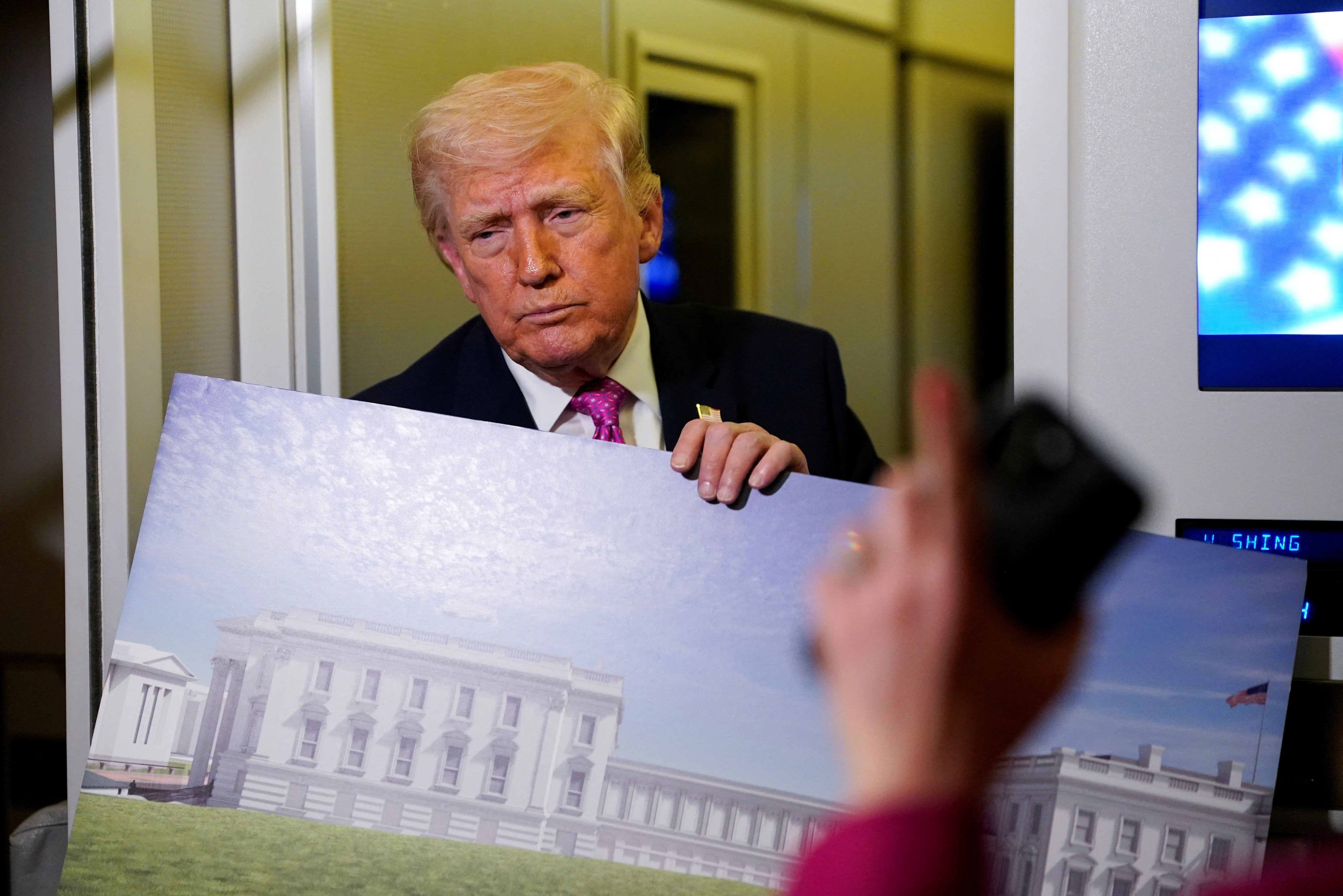
Leon said the administration’s latest assertions were a direct contradiction of their previous claims that the below-ground work on a military-grade bunker was separate from the above-ground construction of the actual ballroom.
Last month, the president told reporters the military was involved in building a “big complex” under the $400 million structure – potentially akin to the Presidential Emergency Operations Center, which was originally under the East Wing. He indicated the bunker would include “major medical facilities,” a “hospital” and “bomb shelters.”
Lawyers for the government have repeatedly argued that the national security elements of the ballroom construction made it imperative to continue, including below-ground construction.
But in his original ruling, Leon rejected their sweeping argument, saying “the existence of a ‘large hole’ beside the White House is, of course, a problem of the President’s own making!”
Leon did permit “construction necessary to ensure the safety and security of the White House” to continue.
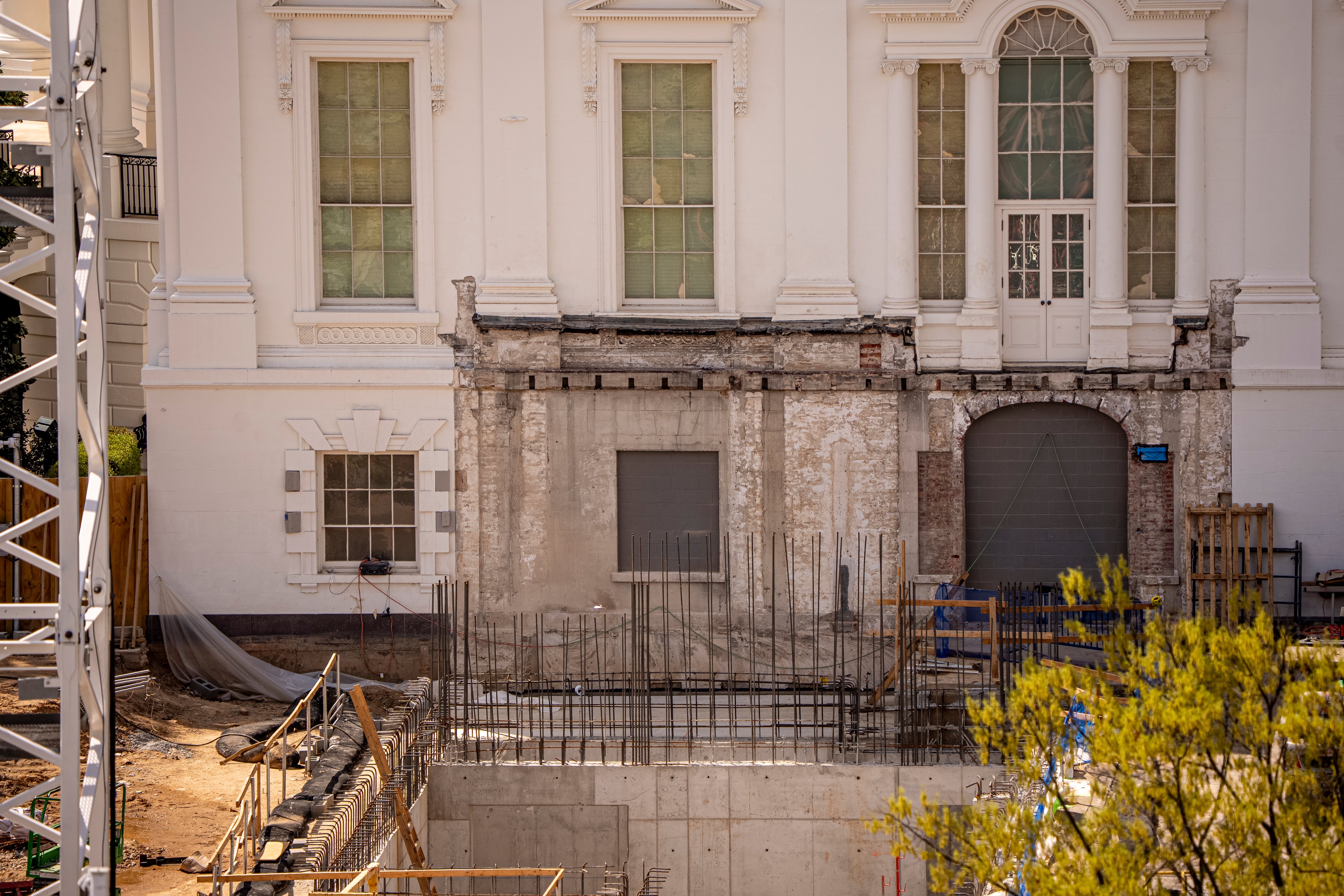
But that exception was not enough, lawyers for the government told an appeals court.
Leon rejected their claim once again in Thursday’s order.
“I previously rejected Defendants' argument that ‘any construction delay will undermine national security’ because - and here is the bottom line - Defendants themselves forged ahead and created this ‘coordinated and managed safety hazard’ on White House grounds,” Leon said.
“In my view, these arguments fail to justify Defendants' extraordinary, if not disingenuous, reading of my preliminary injunction Order,” the judge wrote.
Leon clarified that any construction related to necessary structural integrity or safety was still permitted, including “waterproofing, water management, structural reinforcement, and sealing off exposed construction areas” so long as it does not “lock in” the above-ground ballroom
He added that below-ground construction, and any above-ground work necessary to cover, secure or protect the below-ground facility, was allowed.
“I will close by noting that I have no desire or intention to be dragooned into the role of construction manager,” Leon concluded.