High prices dominate minds in US swing districts but not always ballots


One voter decried a ’staggering’ rise in grocery prices but said ‘it hasn't changed my opinion on anything’
Rising living costs have reshaped consumer spending habits across the United States, yet this widespread economic anxiety may not translate into shifts at the ballot box during next week’s congressional elections.
In conversations during routine shopping trips, more than two dozen working- and middle-class voters across three East Coast swing districts overwhelmingly identified elevated grocery and fuel prices as their primary daily worry.
These individual concerns align with recent Reuters/Ipsos polling, which indicates that household expenses remain the dominant priority for the electorate ahead of the November 3 contest that will decide control of both the House of Representatives and the Senate.
Over half of the surveyed voters identified as leaning Democratic and expressed a heightened determination to cast their ballots against Republican candidates this cycle.
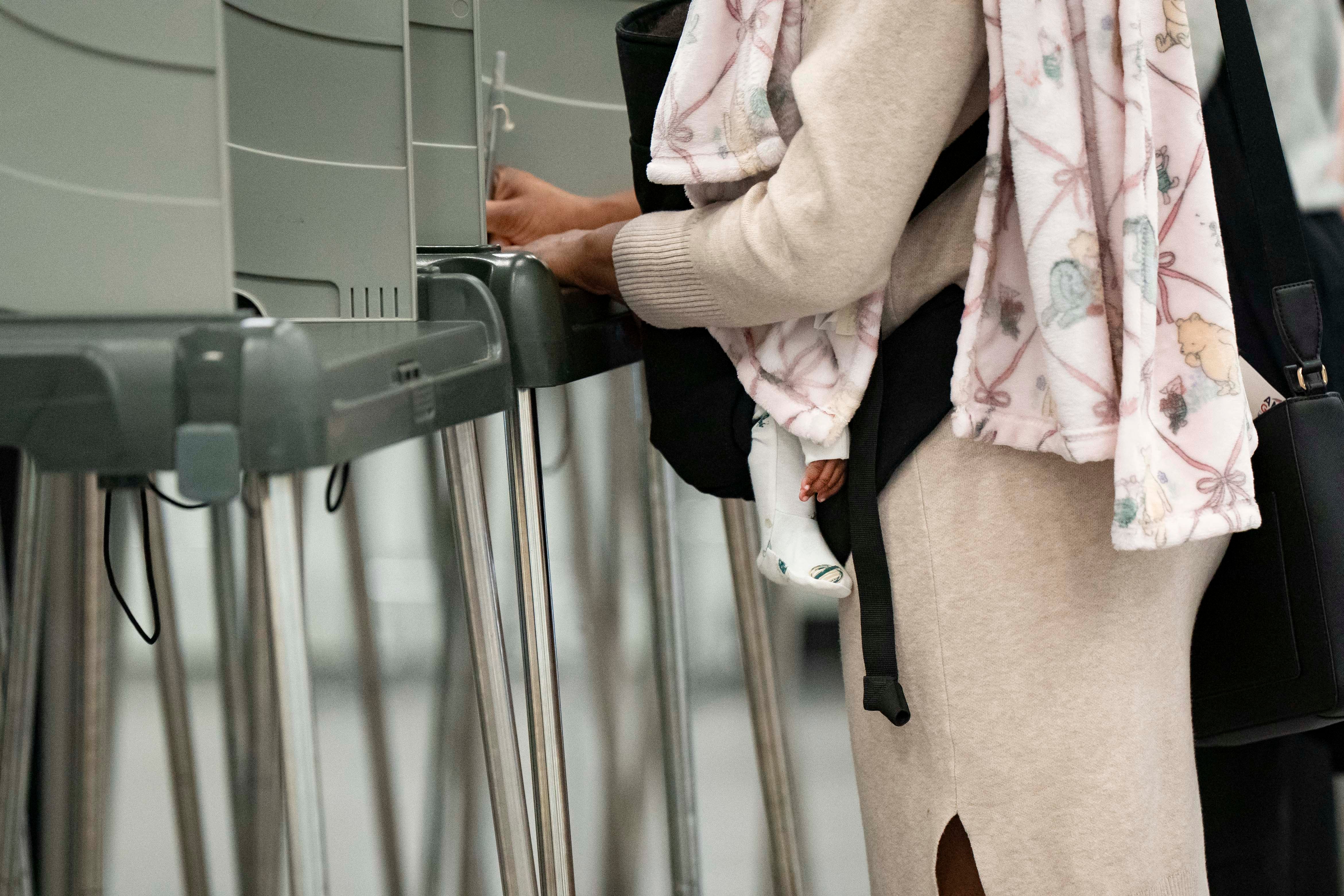
Eight out of ten voters who previously supported incumbent congressional Republicans confirmed they intend to back them again. This voter loyalty persists even as inflationary pressures have been fueled by factors including tariffs imposed by Republican President Donald Trump alongside energy price spikes linked to the conflict in Iran.
Speaking on October 16, John Beers, a Republican-leaning voter from Peekskill, New York, criticized a "staggering" surge in food costs, remarking that he would "be very disappointed" if relief does not arrive shortly. Nevertheless, he noted: "It hasn't changed my opinion on anything."
Katie Thomas, head of the Kearney Consumer Institute at global consulting firm Kearney, observed that these dynamics highlight the hurdle for Democrats attempting to flip competitive seats, particularly as financial sentiment no longer reliably predicts shopping behavior or voting choices.
The battle for the House will be decided by a narrow slice of the 435 total seats, including highly contested battlegrounds like New York’s 17th congressional district. Late September polling from Emerson College showed the district’s incumbent, Republican Mike Lawler — an ally of Trump — trailing Democratic challenger Cait Conley by two percentage points.
Beers, a 74-year-old self-employed resident living in a working-class neighborhood within Lawler’s otherwise affluent district north of New York City, described making everyday compromises. Before entering an Ahold Stop & Shop location, he explained that price pressures forced him to switch to lower-cost coffee and stop purchasing items such as sardines and avocado oil.
Even so, he endorses the war in Iran and remains committed to supporting Lawler.
A similar sentiment was voiced by Fred McDonald, a 71-year-old retired diesel mechanic in Easton, Pennsylvania, who stated that long-standing support for Republicans means he will not break party lines despite financial anxieties.
Thomas explained that American buyers have "decoupled" how they feel from how they act, driven by uncertainties such as artificial intelligence and Middle Eastern instability. She noted: "Without a reliable picture of the future, people fall back on routine, habit, and loyalty."
This divide is reflected in broader spending trends: while consumer confidence has plummeted to near a 12-and-a-half-year low, US Census Bureau data reveals that retail sales over the first nine months of the year rose 4.7 percent compared to the prior year.
While shoppers frequently seek cheaper alternatives for basic goods, Thomas' research demonstrates that many continue to spend on select discretionary luxuries they prioritize.
PINCH FROM BEEF AND GAS PRICES
McDonald and his wife of five decades, Antoinette, are living with their daughter, struggling to find housing in an unaffordable market after a landlord took back their last apartment. They've cut beef from their diets and cringe every time they fill their gas tank.
In Pennsylvania's 7th congressional district incumbent Republican Ryan Mackenzie — who earned McDonald's vote in 2024 — is up against Democratic challenger Bob Brooks. Opinion polls indicate a narrow advantage to Brooks.
McDonald is supporting Mackenzie, though, whom he described as "honest." He blames inflation on generalized greed among political elites rather than Republicans.
As higher costs bite, 69-year-old Antoinette said she's considering taking a job.
"I can sew, I can clean," she said. Then, she gestured toward the cashier at the fast-food chain where the couple spoke to. "And there's always McDonald's," she added.
DEMOCRATS' INCREASED URGENCY
Still, national polling by Reuters/Ipsos this month showed Democrats leading Republicans on a generic ballot question without a named candidate, with a majority of voters faulting Trump's handling of the economy.
Several Democratic voters told Reuters they feel increased urgency in this election, which could spur a higher turnout.
In New Jersey's 7th congressional district, 67-year-old Carla Schiller, a retired nurse, is switching sides. She said she's voting for Democrat Rebecca Bennett. In the past, she supported incumbent Republican Tom Kean Jr., partly because she was a fan of his father, former governor Thomas Kean.
"I have to be able to know I can eat," said Schiller as she browsed the pantry aisle at Aldi, a lower-priced grocer she began visiting recently to cut costs.
Back in Pennsylvania, 76-year-old retiree Donna Sook, a self-described conservative Democrat who will vote for Democratic candidate Brooks, said she "just about fainted when I went by (gas station) Wawa and saw $4.65."
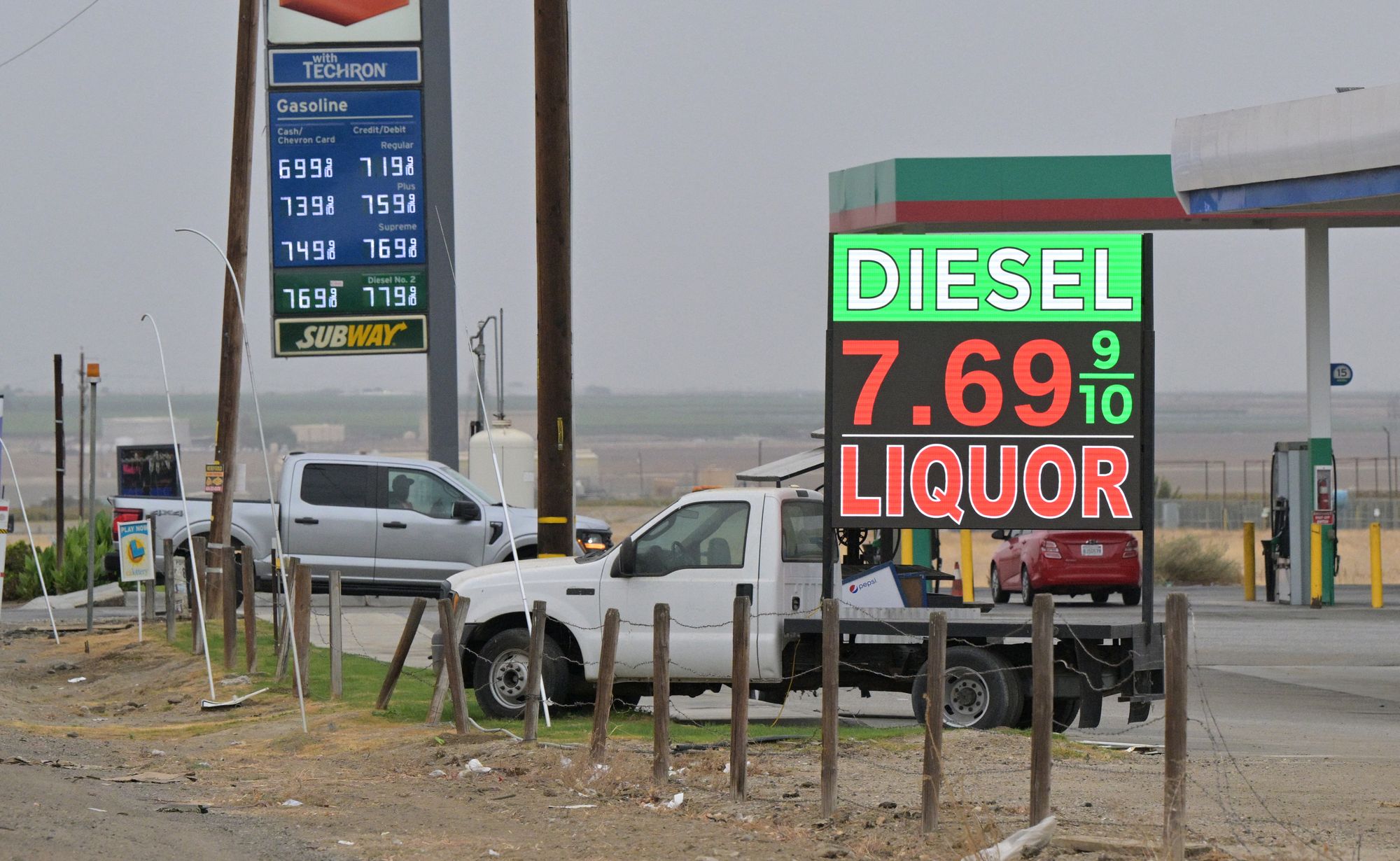
Nationwide, US gas prices average $4.29 a gallon, up 40% from a year ago, according to AAA.
After a wallet-punishing trip to BJ's Wholesale Club in New York's 17th, Joanice Patino, 49, fretted about how she would afford gas for the commute to her nursing job, on top of the hundreds of dollars in monthly medical costs for her nonverbal autistic daughter.
“I'm thinking more about prices," said Patino, who plans to vote for Democratic challenger Conley and hopes a change might ease the cost of living.
"Before, we could save something," she said. "Now we cannot save anything."